


 English
 русский
+86-0559-5290604
How Do Optical Transceivers Impact Network Speed and Performance?
Optical transceivers play a crucial role in modern data communication networks. They are the backbone of high-speed, long-distance communication systems, allowing data to travel over fiber optics. This article will provide an in-depth exploration of optical transceivers, focusing on key aspects like selection criteria, comparison of different modules, and how to optimize their performance for both small businesses and large enterprise networks.
What is an Optical Transceiver?
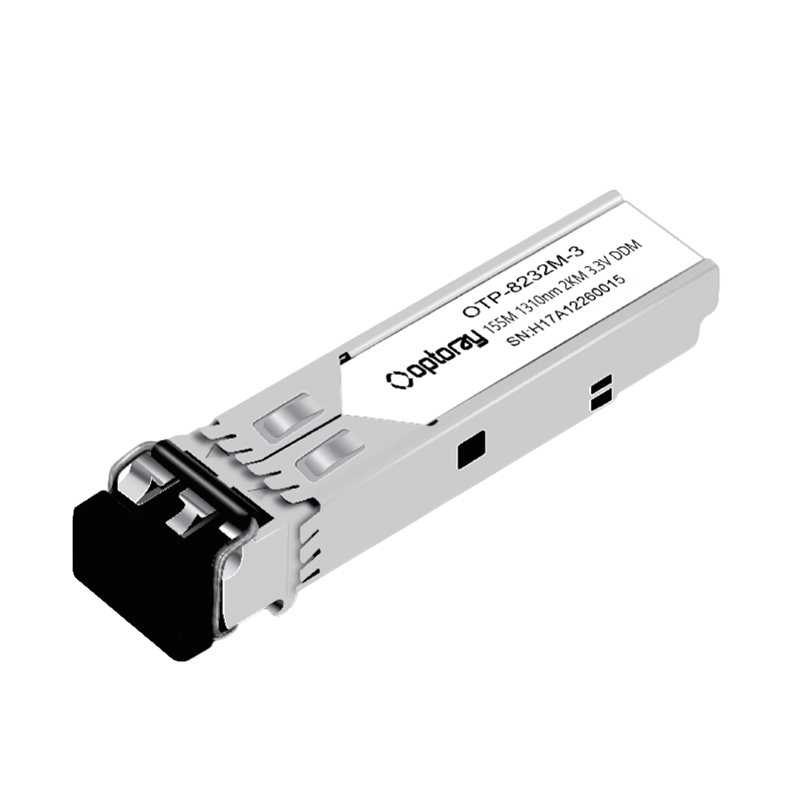
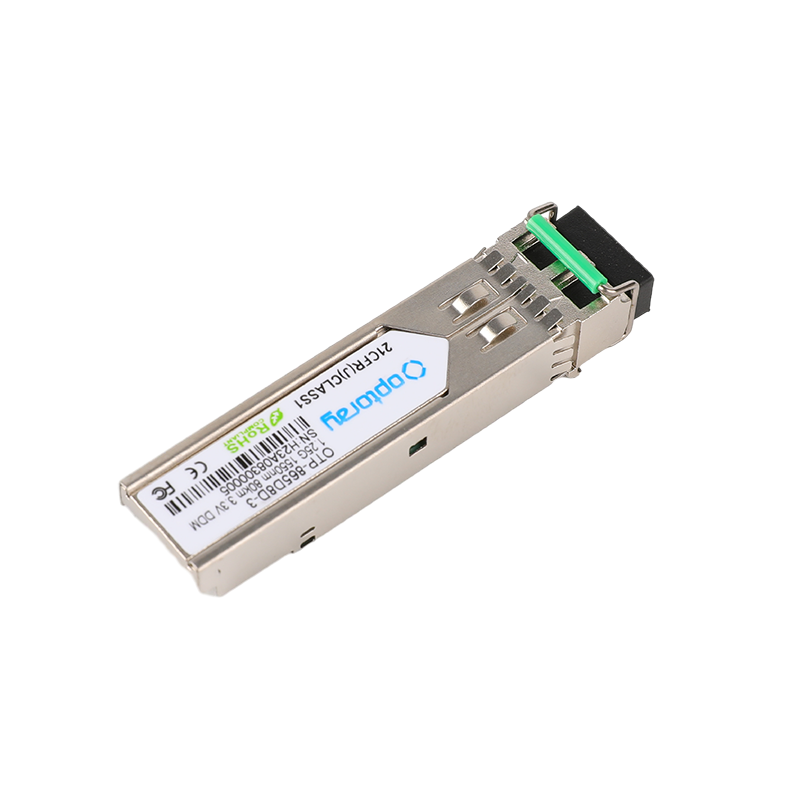
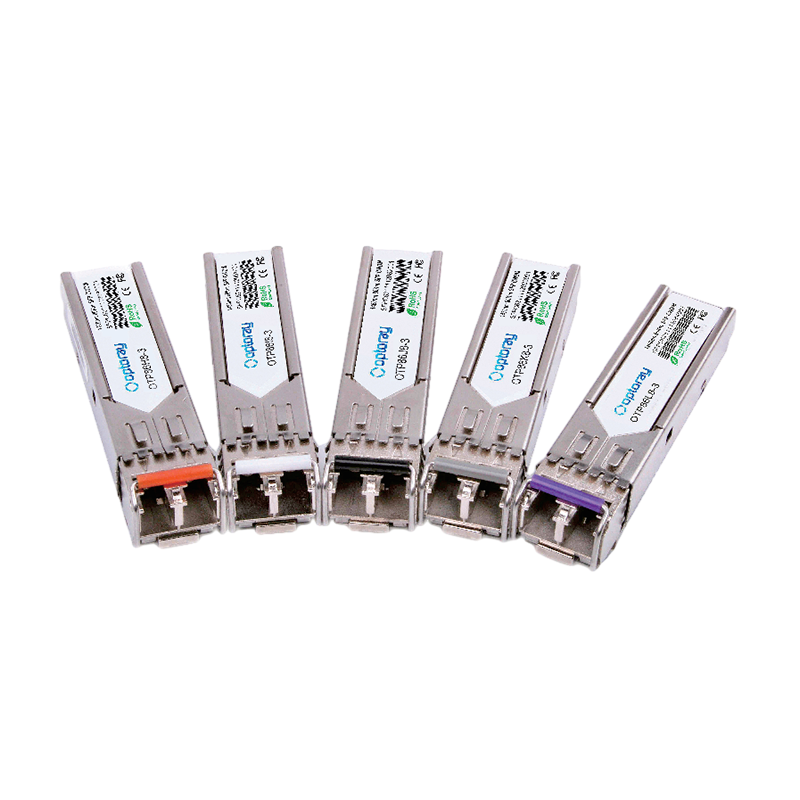
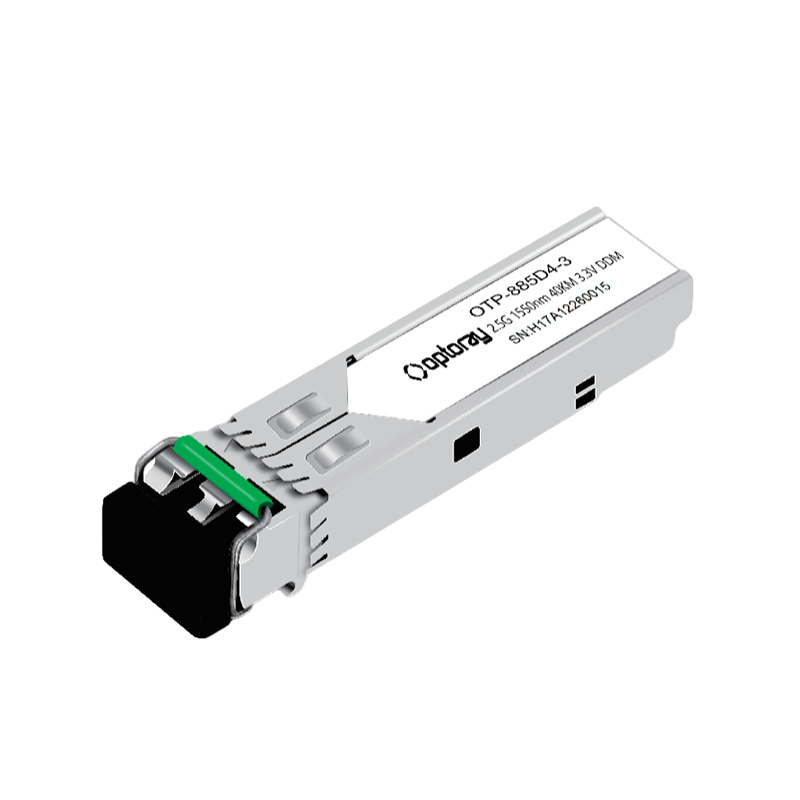
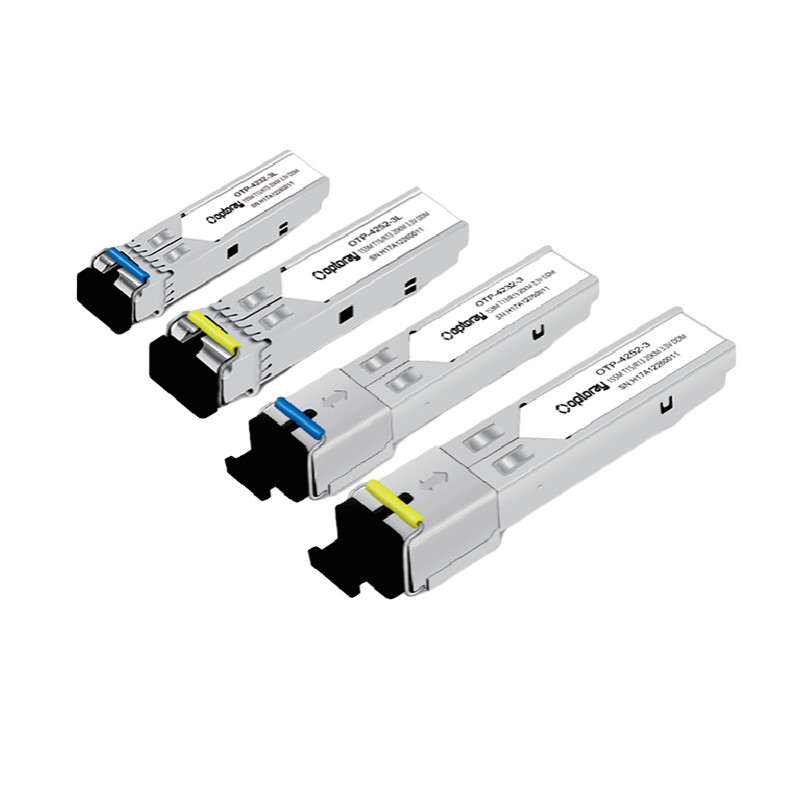
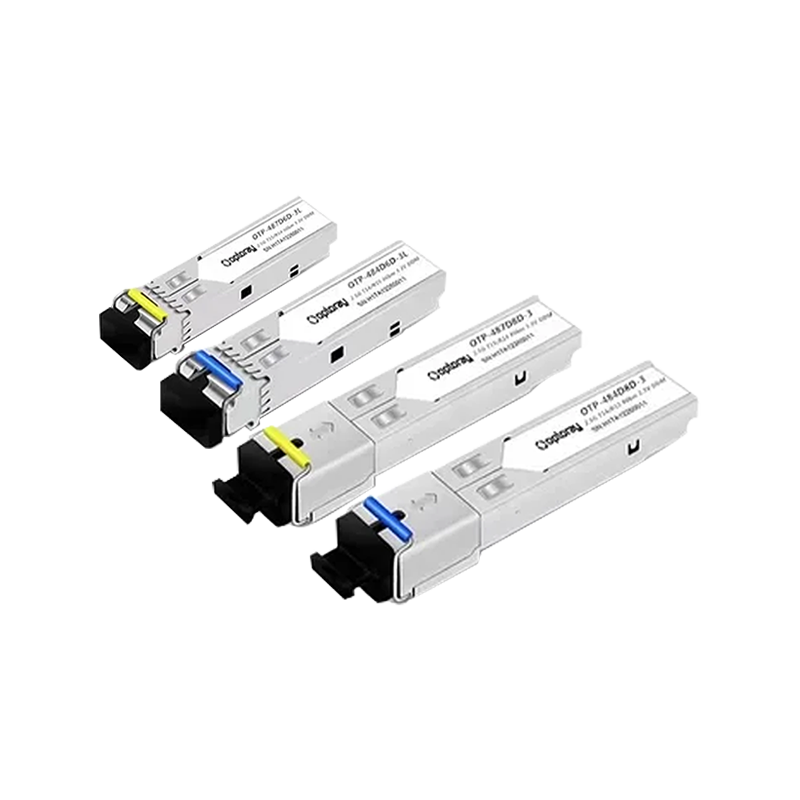
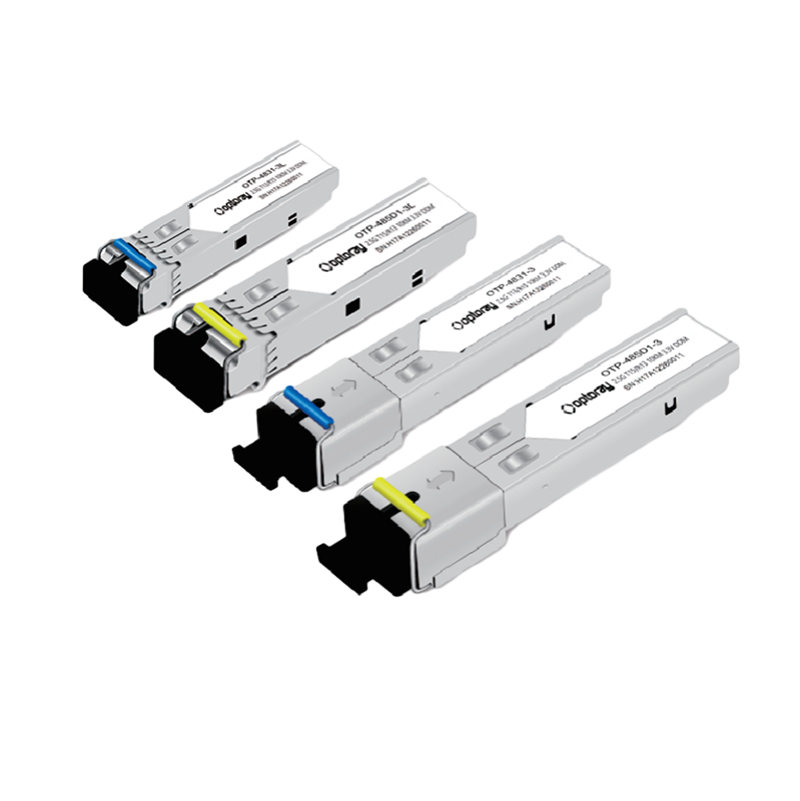
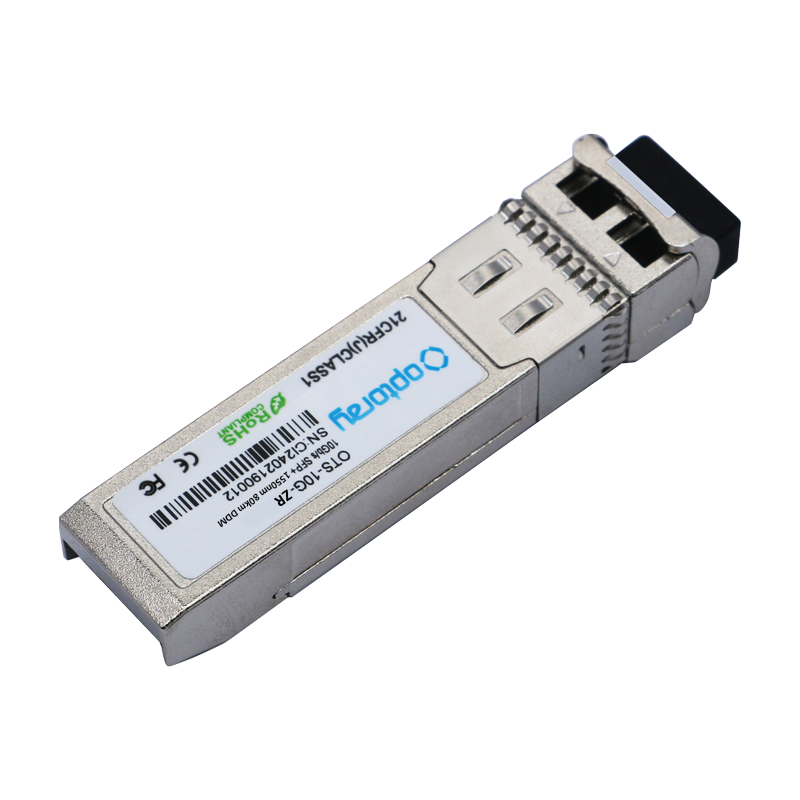
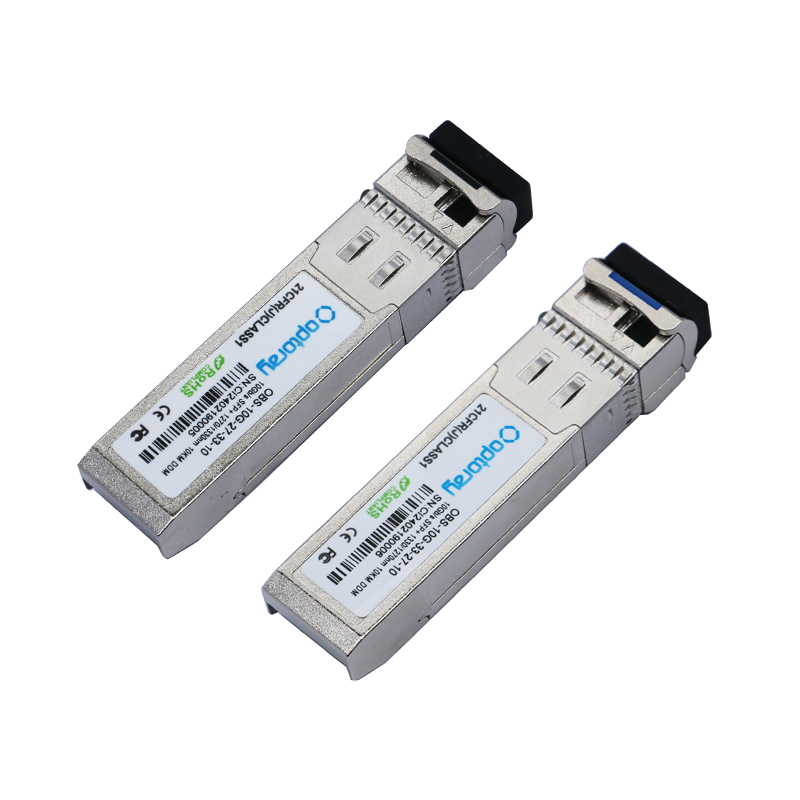
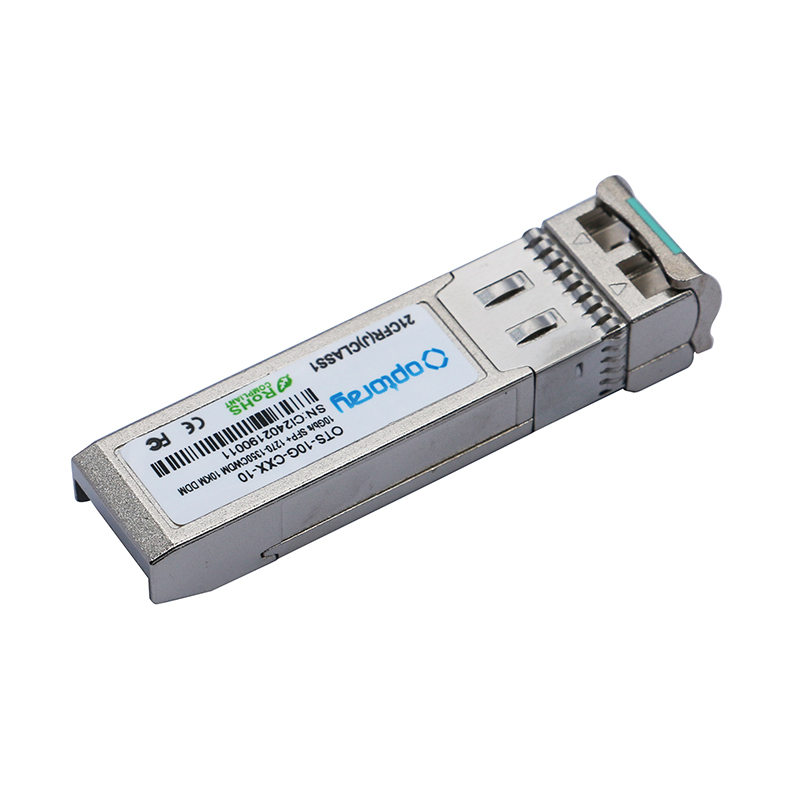
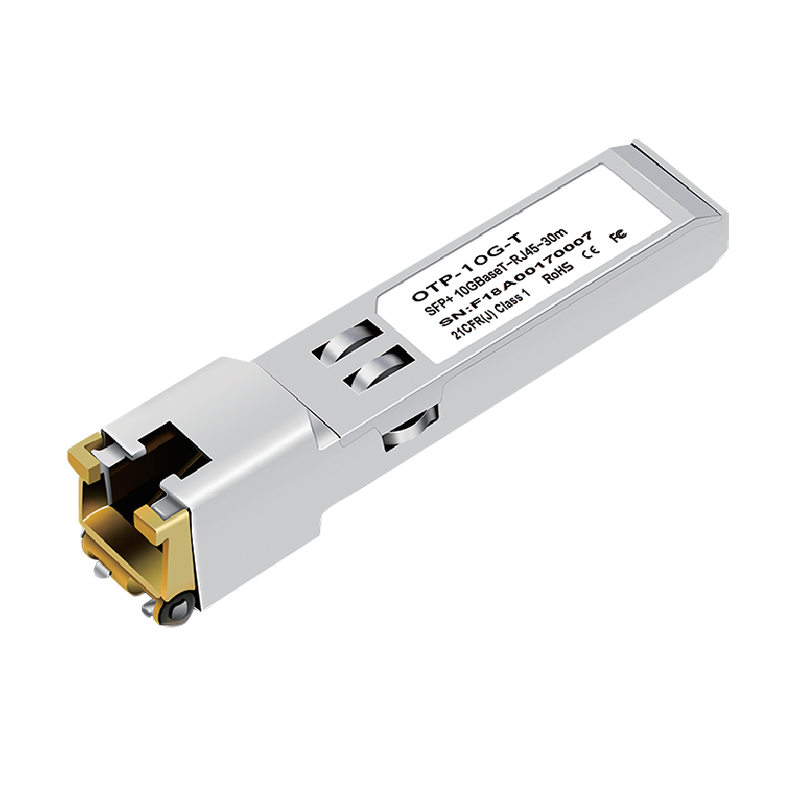
An optical transceiver is a device that integrates a transmitter and receiver in a single unit, enabling both sending and receiving data over optical fibers. These devices are essential in fiber optic communication systems, as they convert electrical signals to optical signals and vice versa. Optical transceivers come in various form factors and are designed to meet different needs based on speed, distance, and network requirements.
How to Choose the Best Optical Transceiver for 10G Networks
When selecting an optical transceiver for 10G networks, it’s important to consider the transmission distance, bandwidth, and network architecture. There are various modules available that support 10G speeds, but choosing the right one for your specific needs is critical for optimal network performance.
- Transmission Distance: Depending on the distance over which data needs to be transmitted, different optical modules are available (e.g., SR, LR, ER). For short distances, an SR (Short Range) module might be sufficient, while for longer distances, an LR (Long Range) module is more appropriate.
- Bandwidth: Choose a module that provides enough bandwidth for your specific 10G network. Modules that support 10G are typically sufficient for most enterprise-level applications, but high-demand scenarios might require modules that support more bandwidth.
- Cost Efficiency: Balancing cost with performance is key when selecting a module. For many small businesses, affordability without compromising essential network speed is a major factor in choosing the right module.
Comparison of SFP+ and QSFP Optical Transceivers
When choosing an optical transceiver for a 10G network, it’s common to compare the SFP+ module with the QSFP module. These modules differ in several key areas:
| Feature | SFP+ (Small Form-factor Pluggable Plus) | QSFP (Quad Small Form-factor Pluggable) |
|---|---|---|
| Speed | Up to 10Gbps | Up to 100Gbps |
| Form Factor | Smaller and compact | Larger, supporting multiple ports |
| Distance | Varies based on module type (SR, LR) | Generally supports longer distances, up to 40km |
| Applications | Ideal for short-range, single port solutions | Ideal for high-density, high-bandwidth applications |
Choosing the Right Optical Transceiver for Long-Distance Transmission
Long-distance transmission over optical fibers requires specialized transceivers that can maintain signal integrity over extended distances. Here are the key factors to consider when selecting a transceiver for long-distance applications:
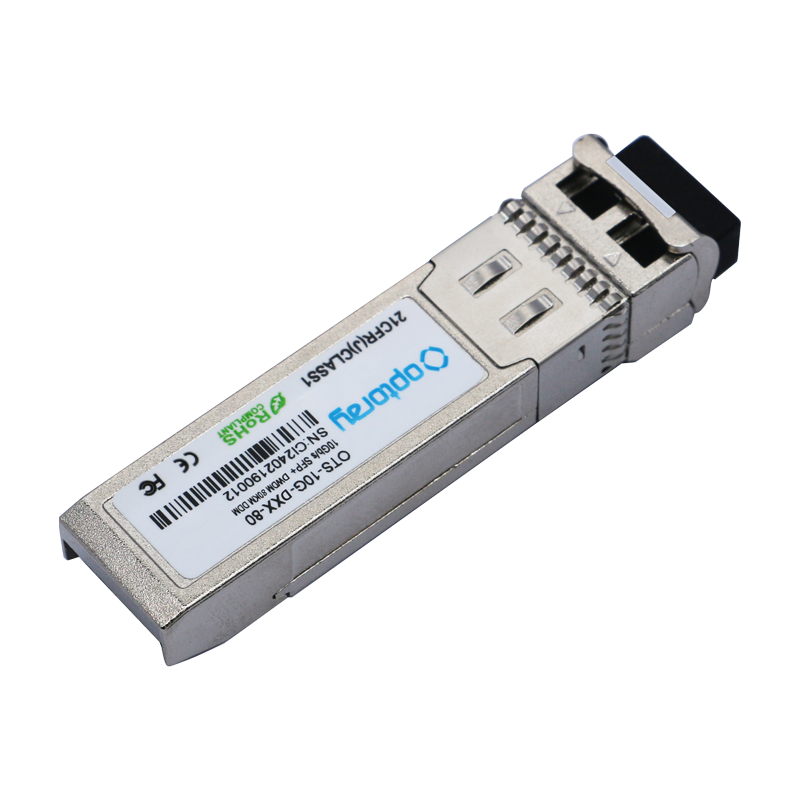
- Distance Support: Choose transceivers designed for long-range applications, such as LR (Long Range) and ER (Extended Range) modules, which support transmission distances of up to 40 kilometers or more.
- Signal Quality: The optical transceiver should provide strong error correction and signal amplification capabilities to ensure data integrity over long distances.
- Budget: Long-distance transceivers tend to be more expensive, so understanding the cost-to-performance ratio is important when making a decision.
Optical Transceivers for Enterprise Networks: How to Make the Right Choice
In large-scale enterprise networks, the choice of optical transceiver becomes even more critical, as the network's reliability and performance directly impact business operations. Here’s how to select the right optical transceiver for enterprise use:
- Scalability: Consider the future growth of your network. Choose optical transceivers that can easily scale with your growing data transmission needs.
- Redundancy: For critical business applications, ensure that your optical transceivers are configured with redundancy to prevent network downtime.
- Performance and Reliability: Opt for modules that guarantee high reliability and uptime, crucial for enterprise applications that cannot afford network failures.
How to Choose Affordable Optical Transceivers for Small Businesses
For small businesses, affordability without compromising on performance is essential. Here's how to select the best affordable optical transceivers for small businesses:
- Cost-to-Performance Ratio: Small businesses should prioritize optical transceivers that offer the best value for the money while meeting their speed and distance requirements.
- Ease of Integration: Choose modules that are easy to install and integrate with existing network hardware without requiring extensive setup or configuration.
- Support and Warranty: Ensure that the optical transceiver comes with adequate customer support and a warranty to protect your investment.
Optimizing the Performance of Optical Transceivers in Your Network
To ensure that optical transceivers perform at their best, it’s important to follow best practices in installation, configuration, and ongoing maintenance:
- Proper Installation: Ensure that optical transceivers are installed correctly, with proper fiber connections and minimal signal degradation.
- Regular Monitoring: Use network monitoring tools to keep track of the performance of optical transceivers and identify any potential issues early on.
- Network Configuration: Ensure that the network is configured to optimize the data flow, reducing latency and improving overall performance.
Conclusion
Choosing the right optical transceiver depends on your network’s specific needs. Whether you're building a 10G network, selecting transceivers for long-distance transmission, or finding affordable options for small businesses, understanding the technical aspects of optical transceivers will help you make an informed decision.
Frequently Asked Questions (FAQ)
1. What is the main function of an optical transceiver?
Optical transceivers convert electrical signals to optical signals and vice versa, enabling high-speed data transmission over fiber optic cables.
2. How do I know which optical transceiver is best for my 10G network?
For a 10G network, consider factors like transmission distance, bandwidth, and cost. Modules like SFP+ are commonly used for 10G, while QSFP is suitable for higher speeds.
3. What is the difference between SFP+ and QSFP modules?
SFP+ supports speeds up to 10Gbps, while QSFP can handle speeds up to 100Gbps, making it ideal for high-density, high-bandwidth networks.
4. Can I use the same optical transceiver for long-distance and short-distance transmission?
No, long-distance transmission requires specialized modules like LR and ER that can support greater distances compared to short-range modules like SR.
5. Are optical transceivers expensive for small businesses?
There are affordable options for small businesses. The key is to choose modules that offer the best cost-to-performance ratio based on your network’s needs.



Mobile Web
Quick Links
Products
Get in Touch
-
 Phone: +86-186 5596 6697
-
 E-mail: [email protected]
-
 Add:No.4 PiYun Road, Huangshan Economic Development Zone, Huangshan City, Anhui Province, China.
Copyright © Huangshan Optoray Communication Corp., Ltd. All rights reserved.
China SFP Transceiver Module Manufacturers


