


 English
 русский
+86-0559-5290604
What Is an 80km SFP Module and How Does It Work?
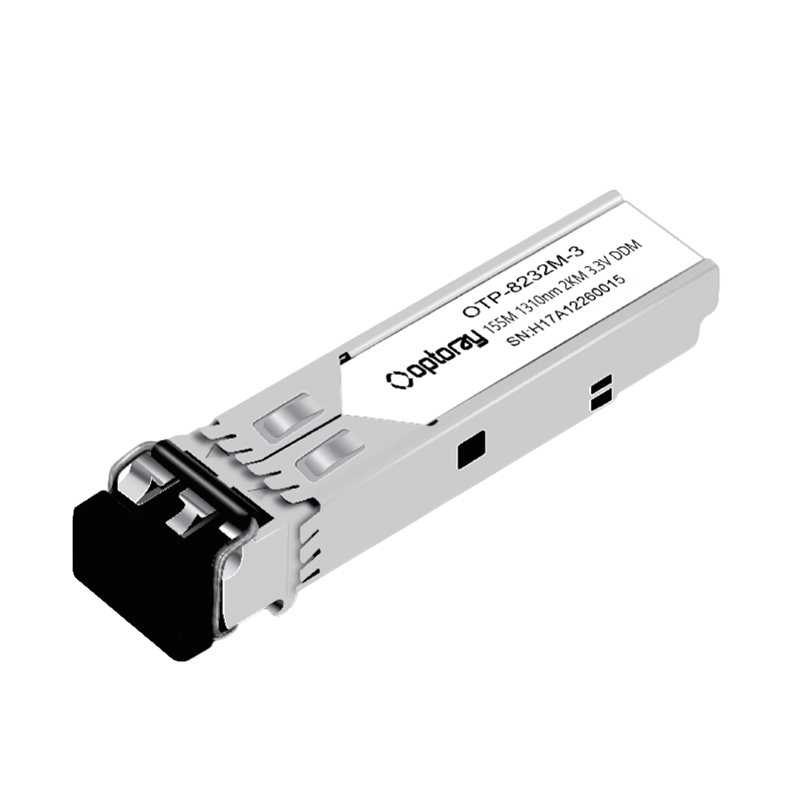
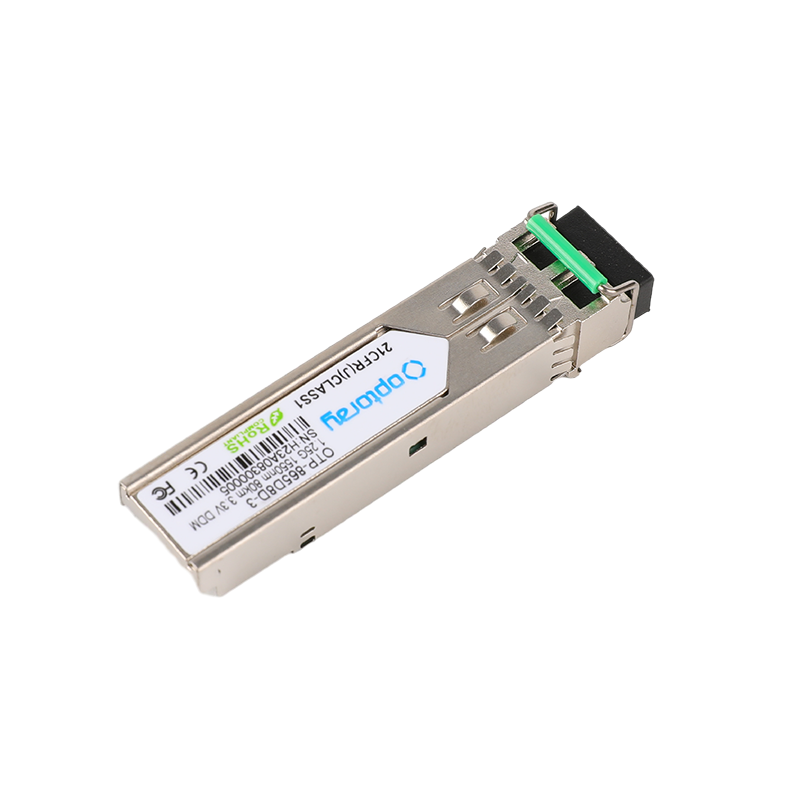
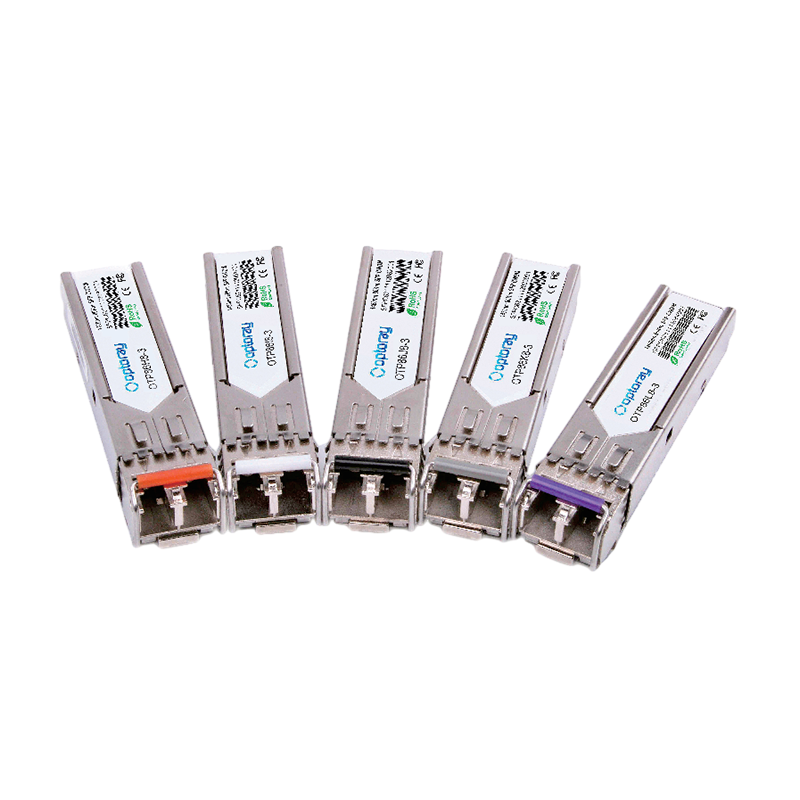
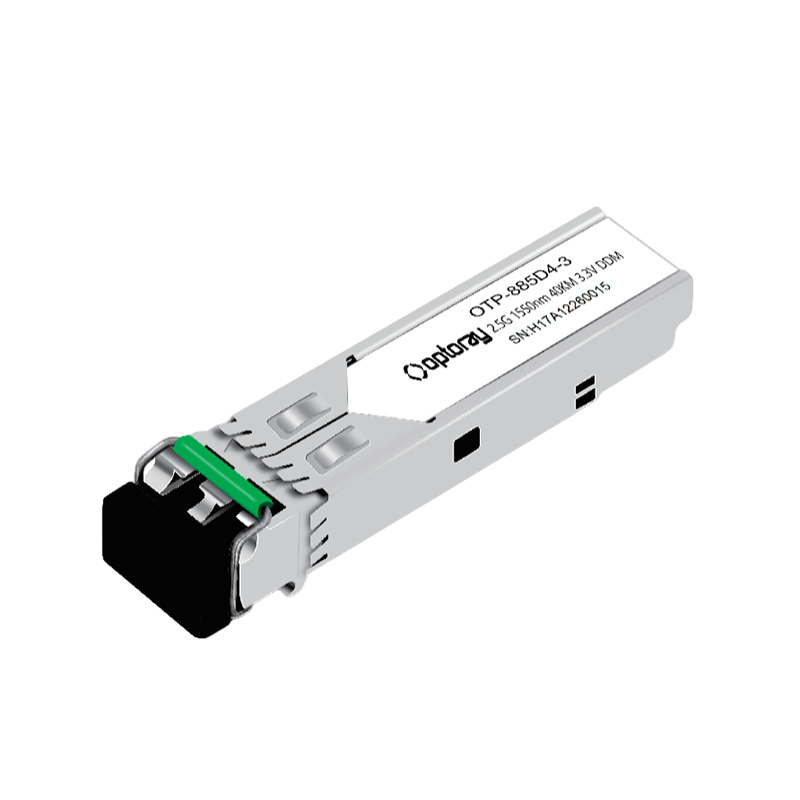
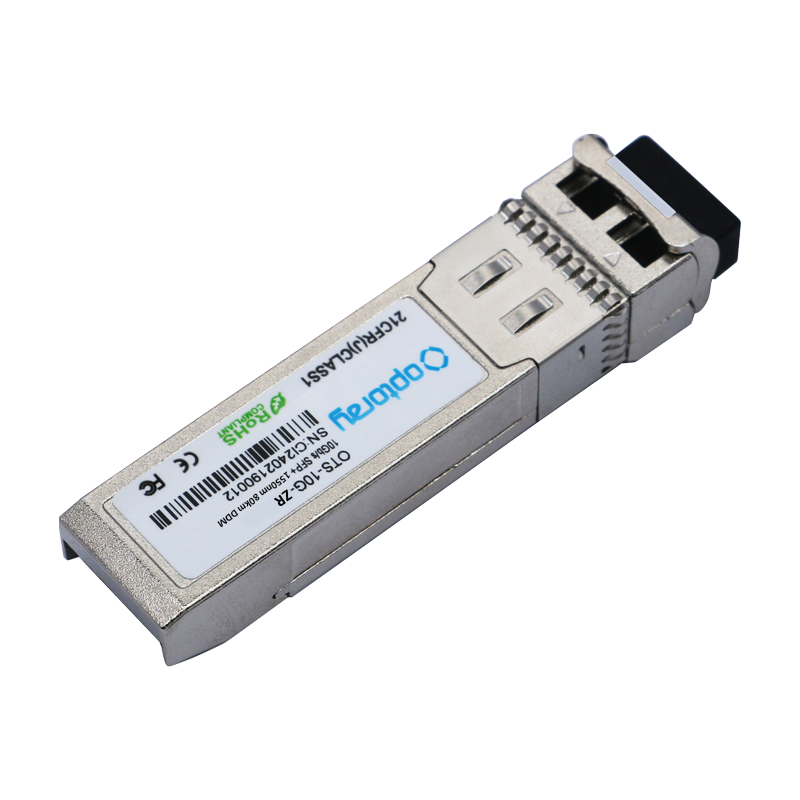
The 80km SFP is a compact, hot-pluggable optical transceiver module standardized for long-distance fiber optical communication, with a maximum single-fiber transmission distance of 80 kilometers as its core performance indicator. It is designed to meet the interconnection needs of medium and long-distance network nodes, and has become an indispensable core component in carrier-grade backbone networks, metropolitan area networks, enterprise private lines, and data center interconnection scenarios.
Unlike short-distance SFP modules (such as 10km or 40km versions), 80km SFP modules adopt specialized optical emission and reception technologies, higher optical power control standards, and optimized dispersion compensation mechanisms to ensure stable signal transmission, low bit error rate, and long-term reliable operation over 80km links. In practical network engineering, this type of module balances transmission distance, equipment compatibility, deployment cost, and operational stability perfectly, making it the preferred choice for 80km-level optical interconnection in the industry.
From a technical application perspective, 80km SFP modules follow mainstream communication industry standards, support hot-plugging without powering off the device, and are compatible with most switches, routers, firewalls, and transmission equipment. Their standardized design eliminates the need for customized hardware transformation for users, reduces network construction and upgrade costs, and shortens deployment cycles. For network operators and enterprise IT departments, choosing 80km SFP modules means obtaining a cost-effective, highly compatible, and stable long-distance transmission solution that can fully meet the high-bandwidth and low-latency communication requirements of modern networks.
Working Principle and Optical Technical Characteristics of 80km SFP
Basic Optical Transmission Mechanism
The 80km SFP module completes the conversion between electrical signals and optical signals through precise photoelectric integration technology. At the transmitting end, the module converts the electrical signals input by the network equipment into modulated optical signals and outputs them to the optical fiber; at the receiving end, it converts the optical signals transmitted through the optical fiber back into electrical signals and transmits them to the equipment for processing, realizing two-way full-duplex communication.
To support 80km ultra-long-distance transmission, this type of module uses distributed feedback laser (DFB Laser) as the core light-emitting device. Compared with ordinary light-emitting diodes or low-power lasers, DFB lasers have narrower spectral linewidth, higher output power stability, and stronger anti-dispersion ability, which can effectively reduce signal attenuation and distortion during long-distance transmission. This is the most critical technical basis for 80km SFP to achieve 80km stable transmission.
Key Optical Performance Parameters
The performance of 80km SFP modules is restricted by a set of standardized optical parameters, which directly determine the transmission quality and compatibility of the module. The core parameters include optical output power, receiving sensitivity, extinction ratio, and optical fiber dispersion tolerance. Among them, receiving sensitivity is one of the most important indicators, which represents the minimum optical signal power that the module can correctly identify; the receiving sensitivity of high-performance 80km SFP modules can reach a very low level, ensuring that the signal can still be accurately parsed after 80km transmission attenuation.
In addition, the module has built-in optical power monitoring and fault alarm functions, which can monitor the operating status in real time, including transmitting optical power, receiving optical power, temperature, and voltage. Once the parameter exceeds the normal range, the module will automatically send an alarm signal to facilitate network administrators to quickly locate and solve faults, greatly improving the maintainability of the network.
Differences Between Single-fiber and Dual-fiber 80km SFP
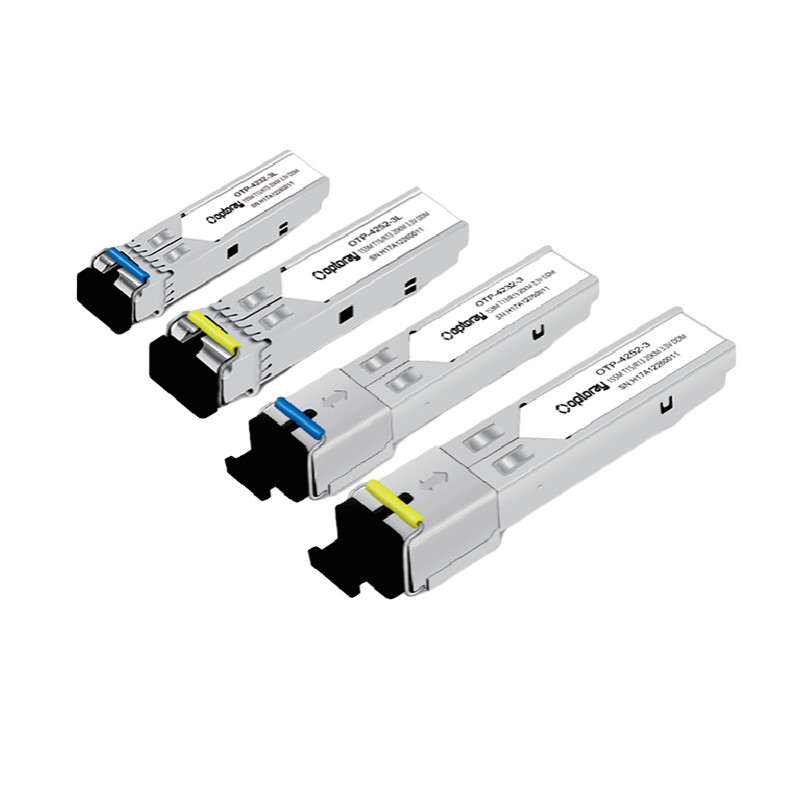
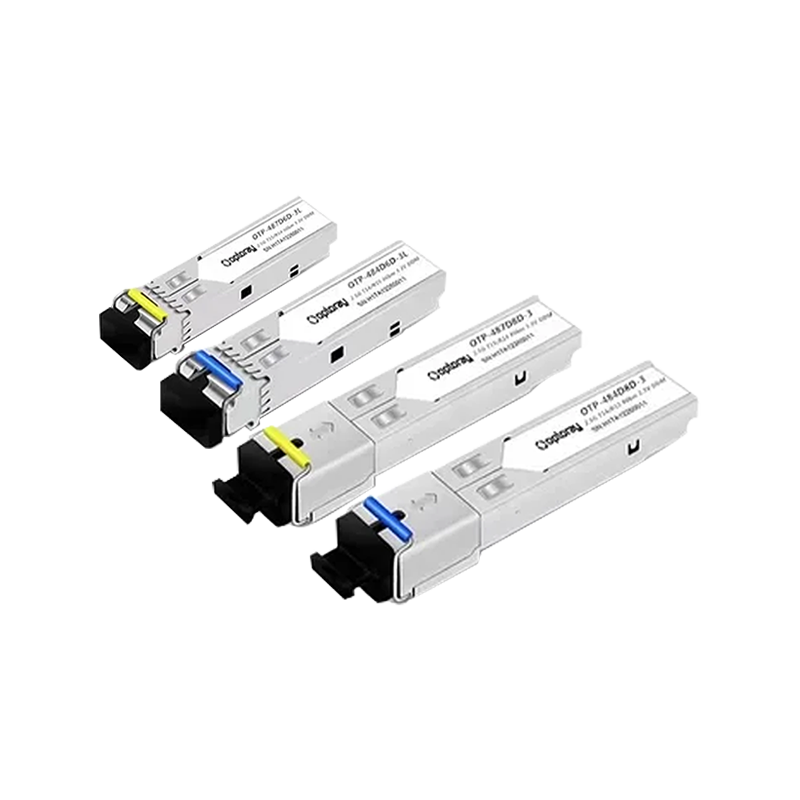
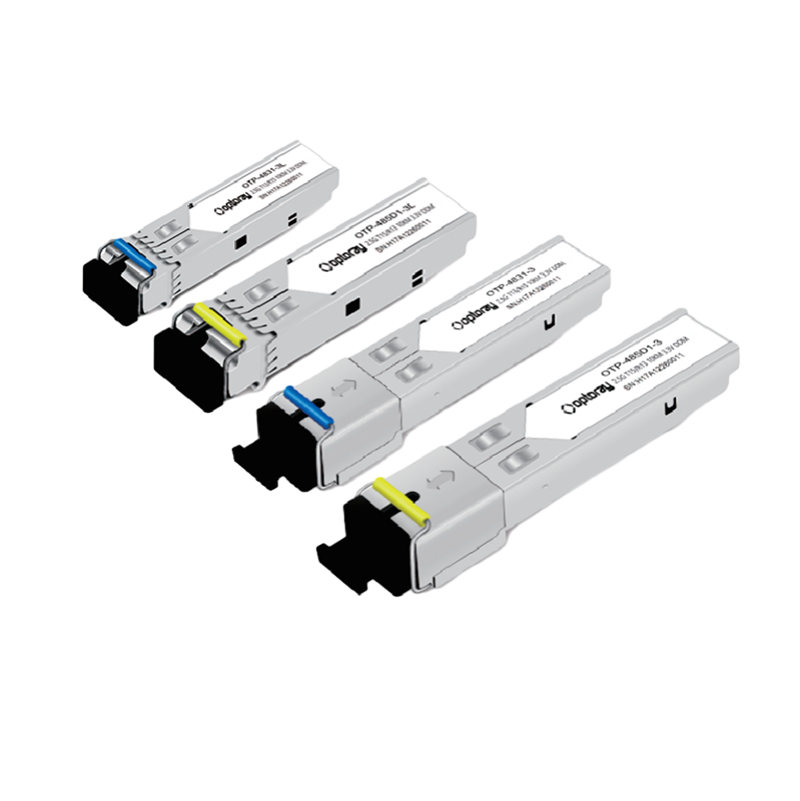
80km SFP modules are divided into two categories: dual-fiber and single-fiber according to the optical fiber connection method. Dual-fiber modules use two independent optical fibers for transmitting and receiving signals respectively, with simple structure, low technical difficulty, and stable performance, suitable for most conventional long-distance scenarios; single-fiber modules use wavelength division multiplexing technology to realize two-way signal transmission on a single optical fiber, which can save 50% of optical fiber resources, and is suitable for scenarios with tight optical fiber resources.
In practical applications, dual-fiber 80km SFP is the mainstream choice due to its better stability and lower cost; single-fiber modules are mostly used in scenarios where optical fiber laying is difficult and resources are limited. Users can choose the appropriate type according to the actual optical fiber infrastructure and budget.
Main Application Scenarios of 80km SFP Modules
Carrier-Grade Metropolitan Area Network and Backbone Network
Communication operators are the largest users of 80km SFP modules, mainly used for the interconnection between metropolitan area network core nodes, aggregation nodes, and access nodes. In the operator's network architecture, the distance between most core equipment rooms is between 30km and 80km, which exactly matches the transmission distance of 80km SFP modules. A large number of practical deployment cases show that this module can meet the high-bandwidth, low-latency, and high-reliability transmission requirements of 5G base stations, broadband access, and dedicated line services.
In the backbone network, 80km SFP modules are used as supplementary transmission components for short-distance to medium-long-distance links, forming a complete transmission network with longer-distance modules (such as 120km), effectively reducing the overall network construction cost while ensuring network coverage and performance.
Data Center Cross-site Interconnection
With the popularization of distributed data centers and hybrid cloud architecture, the demand for high-speed interconnection between data centers is increasing. When the distance between two data centers is within 80km, an 80km SFP is the optimal interconnection solution. It supports high-speed data transmission, real-time data backup, disaster recovery, and load balancing between data centers, ensuring data consistency and business continuity.
Compared with dedicated transmission equipment, 80km SFP modules have the advantages of small size, low power consumption, and flexible deployment, and can be directly used in standard data center switches without additional equipment investment, which greatly reduces the cost of cross-data center interconnection.
Large Enterprise and Industrial Private Network
Large multinational enterprises, group companies, and industrial and mining enterprises with scattered branches often need to build private lines to realize the interconnection of headquarters and branches, production workshops, and remote monitoring points. When the geographical distance is within 80km, 80km SFP modules can stably transmit enterprise internal data, video monitoring, voice communication, and industrial control signals, ensuring the security and stability of the enterprise internal network.
In the fields of energy, electric power, and transportation, 80km SFP modules are widely used in remote monitoring, intelligent scheduling, and automation control systems. Their anti-electromagnetic interference ability and long-distance stable transmission characteristics adapt to complex industrial environments, ensuring the normal operation of key infrastructure.
Security Monitoring and Wireless Coverage Extension
In urban security monitoring systems, 80km SFP modules are used to connect remote high-definition cameras, monitoring centers, and data storage devices, realizing real-time transmission of massive high-definition video signals without delay. In wireless network coverage, the module is used for the interconnection between wireless access points and core switches, extending the wireless network coverage to remote areas and meeting the wireless communication needs of outdoor scenes.
Compatibility and Standardization System of 80km SFP
International Industry Standards
80km SFP modules strictly follow international standard protocols, including SFP Multi-Source Agreement (MSA), IEEE 802.3 series Ethernet standards, and ITU-T optical communication standards. These standards unify the appearance size, pin definition, electrical interface, optical performance, and communication protocol of the module, ensuring that 80km SFP modules produced by different manufacturers have universal compatibility.
Compliance with standardized protocols is the core advantage of 80km SFP modules, which means that users can choose modules from different suppliers according to their needs without being limited by equipment manufacturers, effectively reducing procurement costs and improving the flexibility of network construction and maintenance.
Compatible Equipment Types
80km SFP modules have extremely wide equipment compatibility and can be directly applied to almost all network equipment with SFP slots, including but not limited to: Ethernet switches, core routers, optical transmission equipment, firewalls, load balancers, video optical transceivers, and industrial network switches.
The hot-pluggable feature of the module allows users to install or replace the module without shutting down the equipment, which does not affect the normal operation of the business and is very suitable for the maintenance and upgrade of carrier-grade and enterprise-level networks that require 7×24 hours of uninterrupted operation.
Optical Fiber Type Matching Requirements
80km SFP modules are specially designed for single-mode optical fibers, and single-mode optical fibers are the only matching transmission medium. Multi-mode optical fiber is only suitable for short-distance transmission (within 1km) and cannot meet the 80km transmission requirements. Single-mode optical fiber has a small core diameter, low transmission loss, and strong dispersion resistance, which can perfectly match the optical performance of 80km SFP modules to achieve long-distance signal transmission.
In practical deployment, users need to confirm the type of optical fiber in advance. Using single-mode optical fiber with 80km SFP modules can ensure the best transmission effect and avoid link failures caused by mismatched media.
Installation, Operation, and Maintenance Specifications of 80km SFP
Standard Installation Steps
- Confirm that the equipment SFP slot is in a normal state and the power supply is stable.
- Remove the protective cover of the module and the optical fiber connector, and keep the optical port clean.
- Align the module with the SFP slot and gently insert it until you hear a click to ensure it is firmly fixed.
- Connect the single-mode optical fiber jumper to the module optical port, ensuring the connector is tightly connected.
- Check the equipment indicator light and optical power parameters to confirm the module is working normally.
Operating Environment Requirements
The stable operation of 80km SFP modules has strict requirements on the ambient temperature, humidity, and electromagnetic environment. The conventional operating temperature range is 0°C to 70°C, and industrial-grade modules can adapt to a wider temperature range of -40°C to 85°C, suitable for outdoor and harsh environments. Excessively high or low temperatures will affect the performance of the laser and receiving components, leading to increased bit error rate or module failure.
In addition, the module needs to avoid strong electromagnetic interference and excessive humidity. Good heat dissipation and dry environment can extend the service life of the module, which is generally up to 10 years or more under normal operating conditions.
Daily Maintenance and Fault Handling
Daily maintenance of 80km SFP modules mainly includes real-time monitoring of operating parameters, regular cleaning of optical ports, and regular inspection of optical fiber links. The built-in digital diagnostic function of the module can monitor key parameters in real time, and administrators can judge the operating status through the equipment background.
Common faults include no optical signal, low optical power, and link disconnection. The solutions are mainly to check the optical fiber connection, clean the optical port, replace the optical fiber jumper, or check the module status. Most faults can be quickly resolved through simple inspection and replacement, which reduces the difficulty of network maintenance.
Performance Comparison Between 80km SFP and Other Distance SFP Modules
To help users better choose the appropriate optical module, we compare 80km SFP with commonly used short-distance and medium-distance SFP modules in terms of transmission distance, application scenarios, cost, and optical performance. The comparison results are shown in the table below:
| Module Type | Transmission Distance | Application Scenario | Cost Level |
|---|---|---|---|
| Short-distance SFP | Within 10km | Intra-data center, LAN interconnection | Low |
| Medium-distance SFP | 40km | Metropolitan area network access, small enterprise private line | Medium |
| 80km SFP | 80km | Backbone network, data center interconnection, long-distance private line | Medium-high |
From the comparison, it can be seen that 80km SFP is in a balanced position in the SFP product series, with longer transmission distance than short and medium-distance modules, lower cost, and higher flexibility than ultra-long-distance modules (above 100km). It is the best choice for 80km-level long-distance transmission scenarios.
Selection Principles and Purchasing Suggestions for 80km SFP
Core Selection Principles
- Determine the module type (dual-fiber or single-fiber) according to the actual optical fiber resources.
- Select conventional or industrial-grade modules based on the deployment ambient temperature.
- Confirm equipment compatibility to ensure a match with the existing network equipment.
- Prioritize modules with complete monitoring functions and stable optical performance;
- Balance cost and performance to avoid over-investment or insufficient performance.
Key Points for Practical Purchasing
When purchasing 80km SFP modules, users should first verify whether the products comply with international standards and have complete optical performance parameters. Modules with complete test reports and real-time monitoring functions are more reliable. For carrier-grade and key enterprise networks, it is recommended to choose modules with high optical power stability and low bit error rate to ensure long-term stable operation.
In addition, after-sales service and technical support are also important considerations. A complete after-sales guarantee can reduce the maintenance cost and failure risk in the later stage. Users should avoid choosing products with excessively low prices and unclear parameters to prevent network failures caused by substandard quality.
Development Trend and Future Prospects of 80km SFP
With the continuous development of 5G, cloud computing, big data, and the Internet of Things, the demand for medium and long-distance optical interconnection is growing rapidly, and 80km SFP modules will continue to maintain a stable application demand in the future. Technically, the module will develop in the direction of higher speed, lower power consumption, smaller size, and stronger environmental adaptability. High-speed 80km SFP modules compatible with higher Ethernet rates have been gradually applied in new network construction.
In terms of application, 80km SFP modules will be more widely used in emerging fields such as smart cities, industrial Internet, and remote medical treatment, meeting the long-distance high-speed transmission requirements of massive devices. At the same time, the standardization and compatibility of modules will be further improved, and the intercommunication with next-generation network equipment will be more perfect, providing a solid foundation for the upgrade and evolution of the global optical communication network.
In the long run, 80km SFP modules, as a mature and reliable long-distance optical transmission component, will not be quickly replaced by new technologies in the next decade. Their cost-effective and standardized advantages make them always occupy an important position in medium and long-distance optical interconnection solutions, and continue to create value for global network construction and operation.



Mobile Web
Quick Links
Products
Get in Touch
-
 Phone: +86-186 5596 6697
-
 E-mail: [email protected]
-
 Add:No.4 PiYun Road, Huangshan Economic Development Zone, Huangshan City, Anhui Province, China.
Copyright © Huangshan Optoray Communication Corp., Ltd. All rights reserved.
China SFP Transceiver Module Manufacturers


