


 English
 русский
+86-0559-5290604
What Is the Difference Between QSFP, SFP, and Modern Optical Transceivers?
Optical Transceivers Are the Essential Bridge for All Modern High-Speed Data Transmission
To state the conclusion directly: an optical transceiver is the single most critical physical layer component in any modern fiber optic network. Without it, the massive streams of data that define our contemporary digital existence—ranging from cloud computing and artificial intelligence to high-definition video streaming—would have no viable pathway to travel across long distances. The optical transceiver serves as the fundamental bridge between the electronic processing world of switches and routers and the optical transmission realm of fiber optic cables. By converting electrical signals into light pulses and vice versa, these modules enable data to move at incredible speeds with minimal signal loss over vast geographical distances. Understanding the functionality, variations, and selection criteria of optical transceivers is indispensable for network architects, IT managers, and telecommunications engineers who are tasked with building and maintaining robust communication infrastructures.
The Fundamental Working Principles of Optical Transceivers
At its core, the functionality of an optical transceiver revolves around a dual-process mechanism: electro-optical conversion and opto-electrical conversion. When a router or switch needs to send data out over a fiber network, it generates an electrical signal. The optical transceiver receives this electrical signal through its electrical interface. Inside the module, a laser driver modulates a light source—typically a laser diode—based on the fluctuations of the incoming electrical current. This modulated light is then launched into the fiber optic cable. On the receiving end of the link, another optical transceiver captures the faint light pulses that have traveled through the fiber. A photodetector, such as a photodiode, converts these light pulses back into a weak electrical current. This current is then amplified and cleaned up by a transimpedance amplifier before being passed back to the receiving switch as a readable digital signal.
This bidirectional communication can happen in several ways. Traditional early modules used separate fibers for transmitting and receiving. However, modern optical transceivers frequently employ Bi-Directional technology, which allows both transmit and receive signals to travel over a single strand of fiber by using different wavelengths of light. This innovation effectively cuts the physical fiber infrastructure requirements in half, leading to significant cost savings in large-scale deployments.
Critical Internal Components That Define Performance
The performance ceiling of an optical transceiver is entirely determined by the quality and engineering of its internal components. The light source is arguably the most vital element. For short-distance transmissions, Vertical-Cavity Surface-Emitting Lasers are predominantly used due to their low power consumption and cost-effectiveness. For long-haul and high-speed applications, Distributed Feedback Lasers are the standard because they produce a highly focused, single-wavelength beam that minimizes signal dispersion over long distances.
Equally important is the photodetector on the receiving side, which must possess high sensitivity to detect extremely weak light signals that have degraded over kilometers of fiber. Furthermore, modern high-speed optical transceivers rely heavily on sophisticated Digital Signal Processing chips. These processors sit inside the module and perform complex mathematical functions to compensate for signal distortion, chromatic dispersion, and polarization mode dispersion that naturally occur during optical transmission. The inclusion of DSP technology is what has allowed the industry to push data rates from mere gigabits to hundreds of gigabits per second without requiring a complete overhaul of the existing fiber infrastructure.
Form Factors and Packaging Evolution
The physical packaging of an optical transceiver, known as its form factor, has evolved drastically over the past two decades to keep pace with the relentless demand for higher bandwidth and greater port density. The evolution is characterized by a continuous trend toward smaller footprints and lower power consumption per gigabit of data transmitted.
Legacy and Standard Form Factors
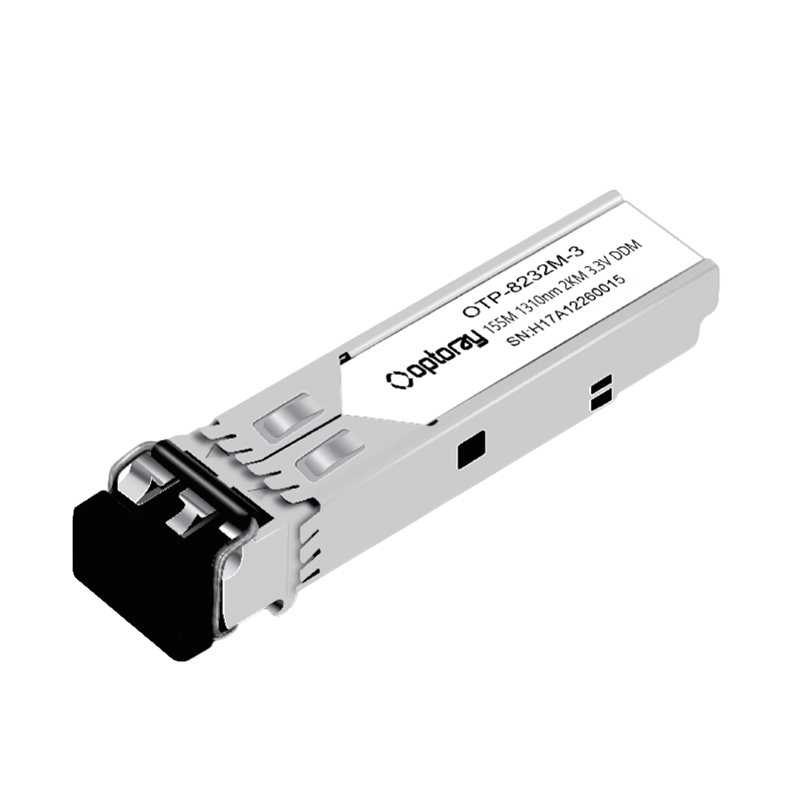
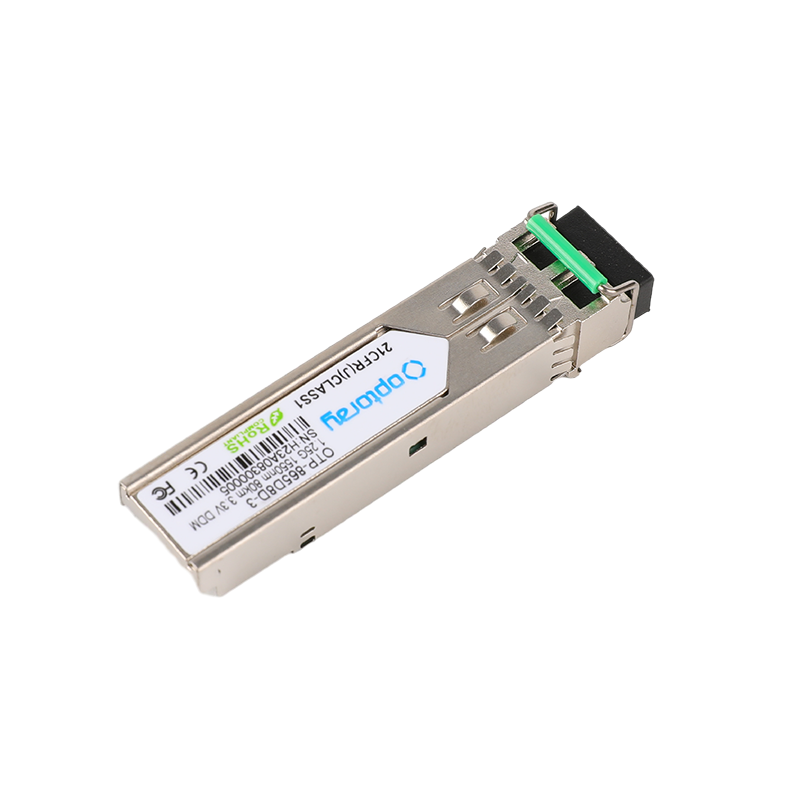
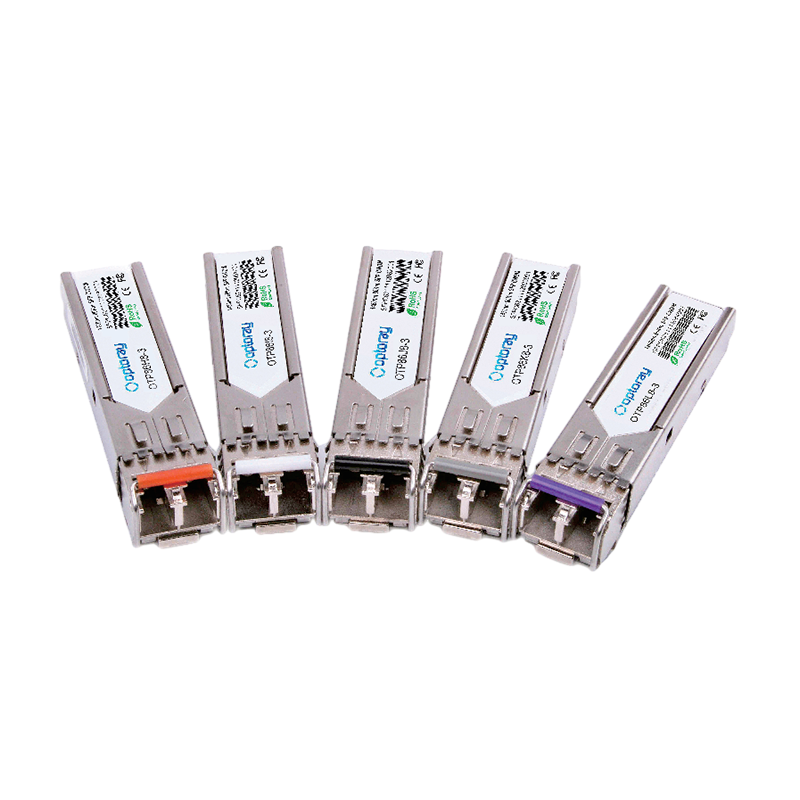
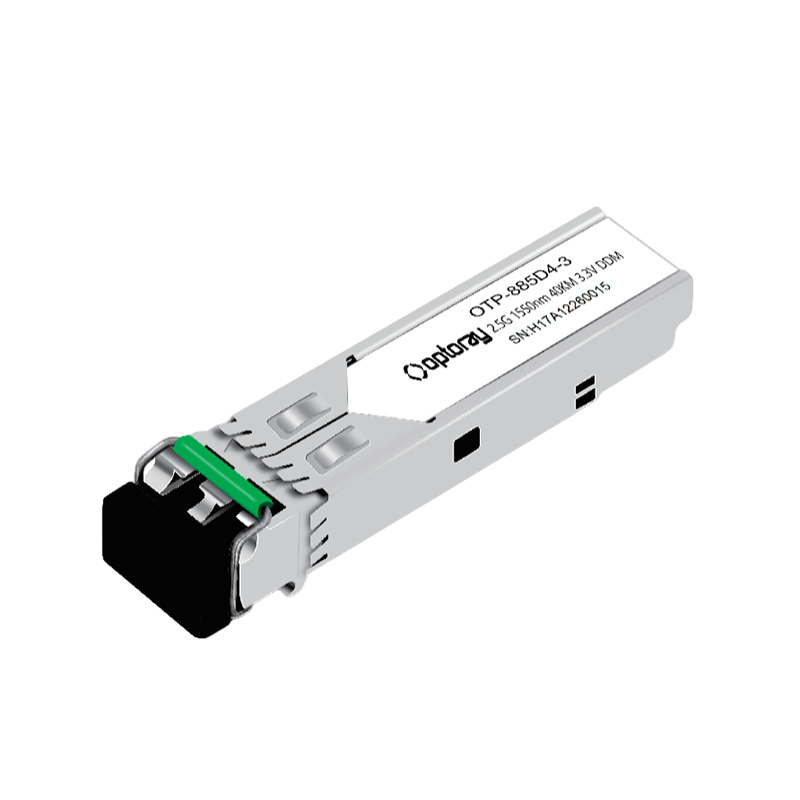
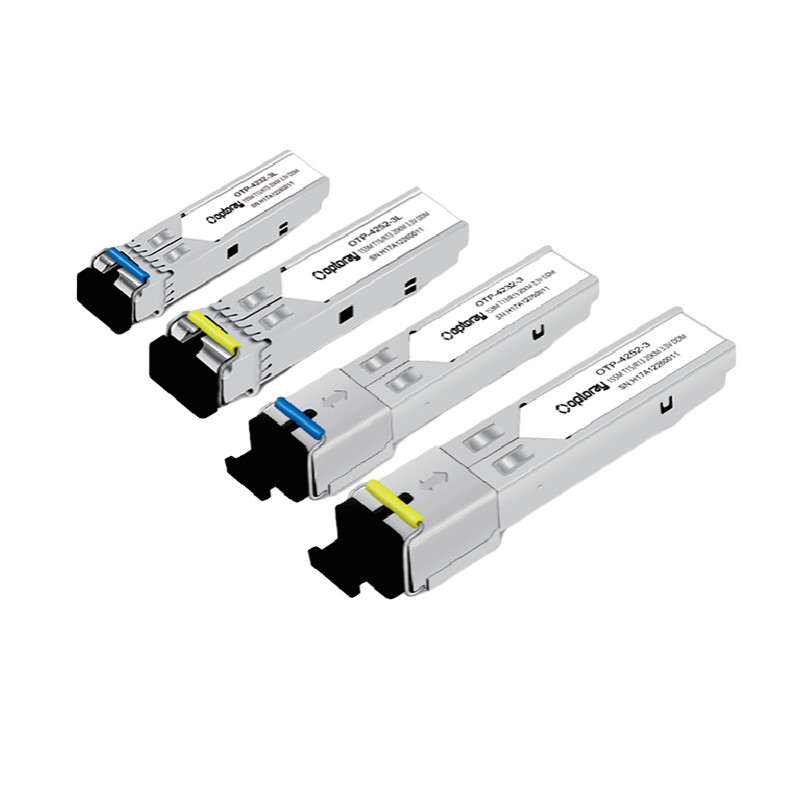
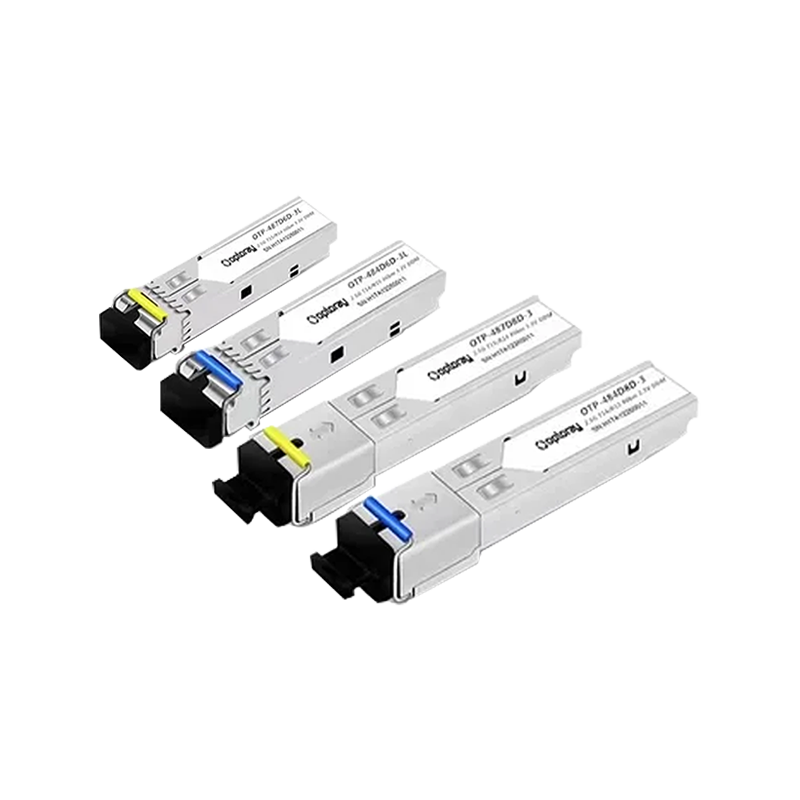
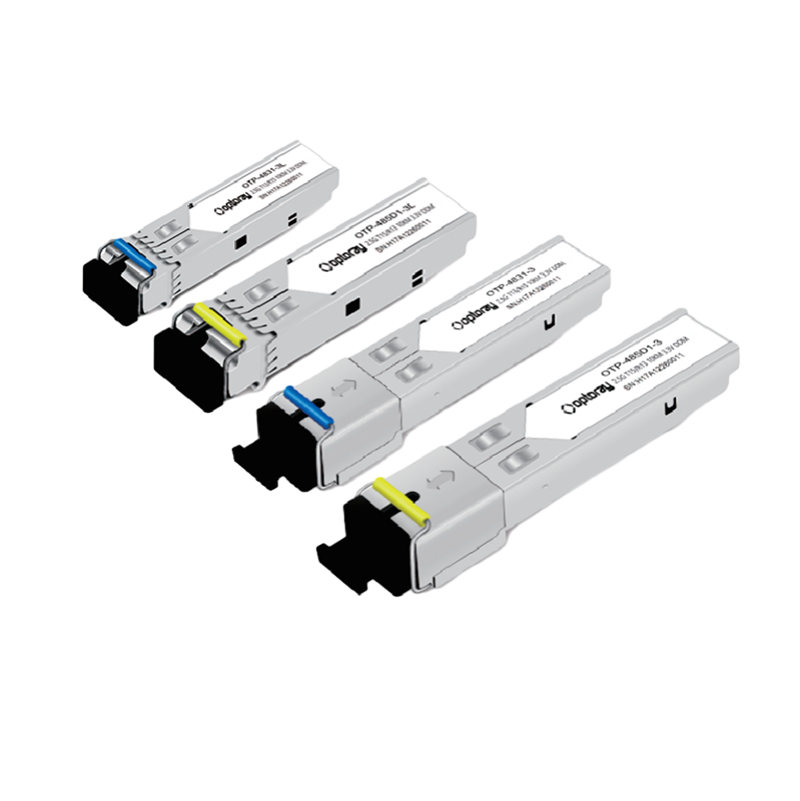
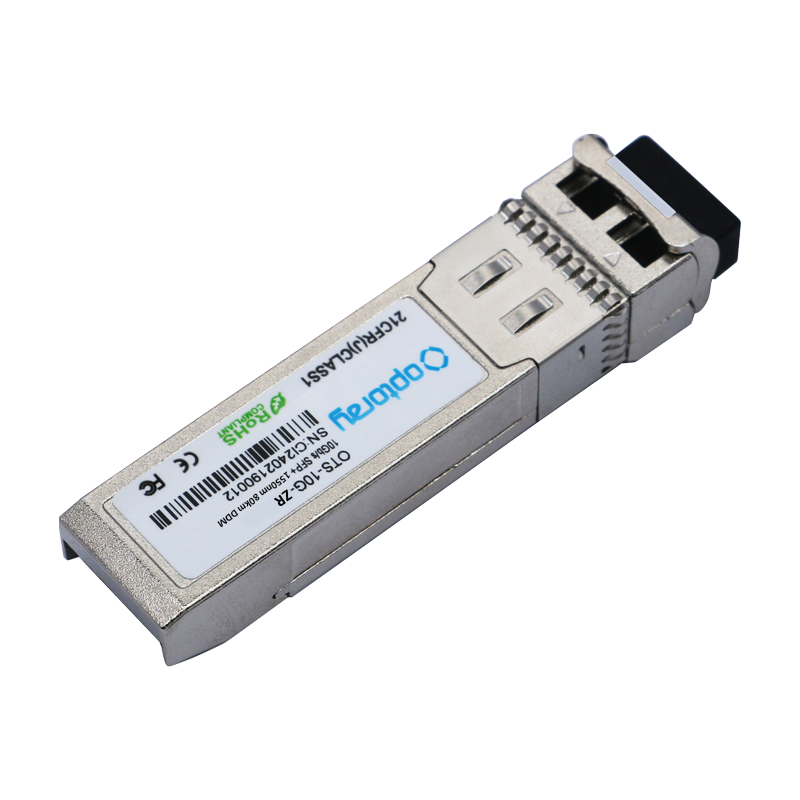
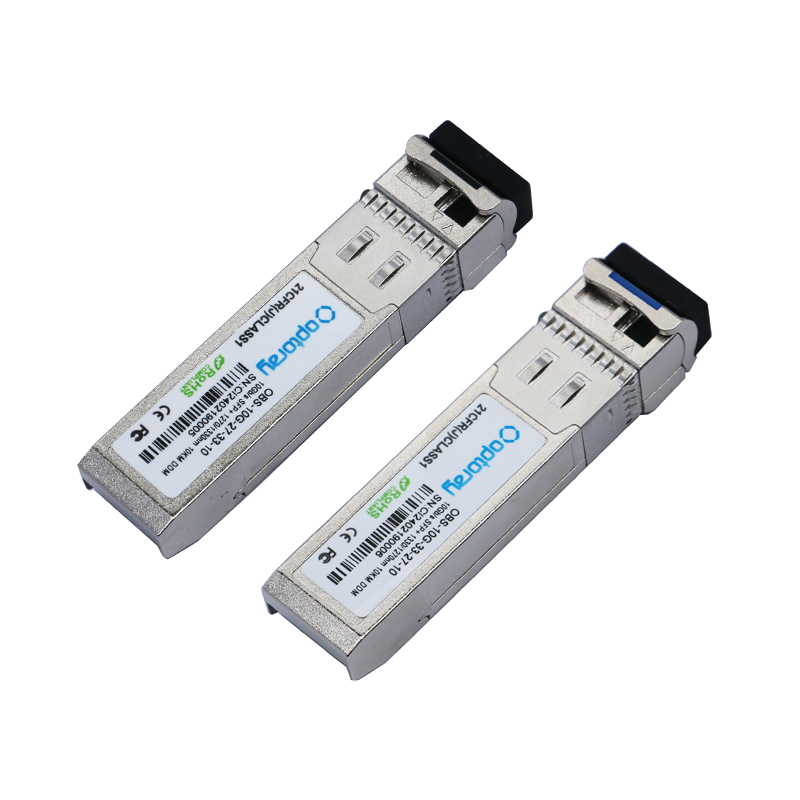
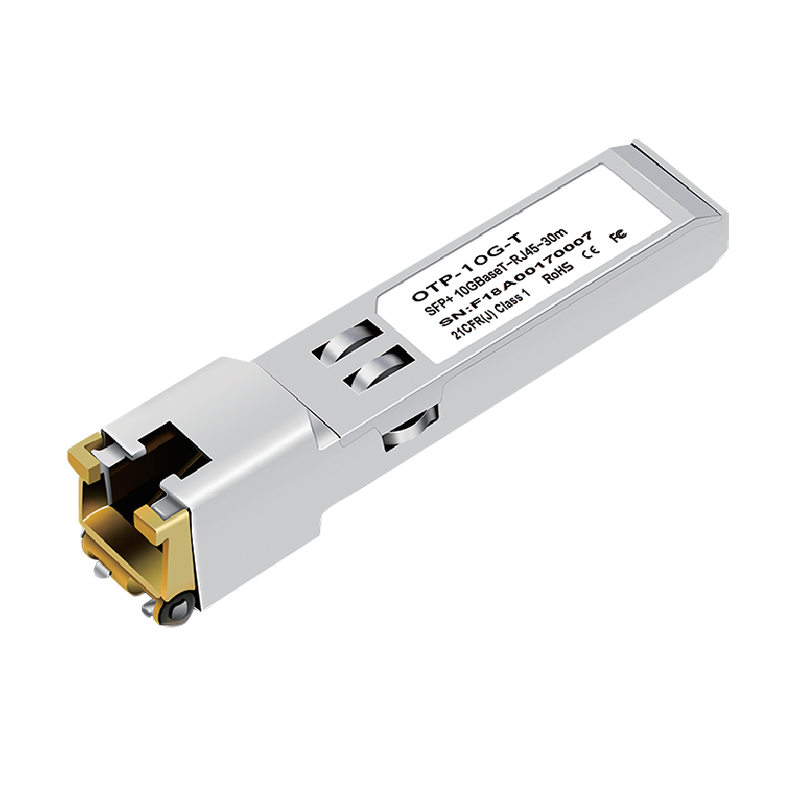
Older generations, such as SFP and SFP+, were revolutionary in their time for miniaturizing the previously bulky modules. The SFP+ form factor became the workhorse of data centers, supporting data rates up to a stable threshold while maintaining a very low power draw. These modules are hot-pluggable, meaning they can be inserted or removed from a running switch without causing system downtime, a feature that drastically simplified network maintenance.
The Shift to High-Density Quad and Octal Packages
As the need for bandwidth grew, the industry shifted towards multi-channel architectures. The QSFP family was introduced, allowing multiple transmission channels to be housed within a single module that occupied roughly the same physical space as an SFP. Later iterations increased the number of channels further, packing even more lanes into slightly larger footprints. This evolution allowed network switches to multiply their port capacity without physically expanding the size of the hardware.
Next-Generation Osfp and Co-Packaged Optics
The latest frontier in form factor evolution is characterized by advanced thermal management designs capable of dissipating the high heat generated by extremely fast lasers. Newer form factors feature improved airflow designs and wider thermal interfaces. Beyond discrete modules, the industry is aggressively moving toward Co-Packaged Optics, where the optical transceiver components are manufactured directly onto the same silicon substrate as the network switch chip. This eliminates the electrical bottleneck between the switch ASIC and the optical module, dramatically reducing power consumption and latency.
Matching Transmission Distances to the Right Technology
Selecting an optical transceiver requires a precise understanding of the distance the data needs to travel. Using an inappropriate module for a specific distance will result in either catastrophic signal failure or a massive waste of financial resources.
For intra-data center connections, where servers and switches are located mere meters apart, multi-mode fiber paired with cost-effective VCSEL lasers is the absolute standard. These modules, often designated by a specific short-range naming convention, operate optimally at distances under a hundred meters. If an engineer were to deploy a long-range, expensive laser module for a two-meter switch-to-switch connection, the overwhelming power of the laser would overload the receiver, causing immediate link failure.
Conversely, connecting geographically separated data centers or metropolitan area networks requires single-mode fiber and highly precise DFB lasers. These long-haul optical transceivers are engineered to push signals across dozens or even hundreds of kilometers. They utilize specific wavelength bands to minimize the effects of light scattering and absorption inherent in glass fiber. Furthermore, extended reach modules often incorporate Erbium-Doped Fiber Amplifier technology within the module or at the link endpoints to periodically boost the light signal without converting it back to electricity.
| Reach Category | Typical Distance | Fiber Type | Primary Application |
|---|---|---|---|
| Short Reach | Up to 100m | Multi-mode | Inside data center racks |
| Medium Reach | Up to 10km | Single-mode | Campus or enterprise networks |
| Long Haul | 40km to 80km | Single-mode | Metropolitan area networks |
| Extended Reach | Over 80km | Single-mode | Inter-city or submarine links |
The Impact of Wavelength Division Multiplexing
As the limits of single-wavelength transmission were approached, the industry adopted Wavelength Division Multiplexing to exponentially increase the capacity of existing fiber optic cables. Instead of sending a single beam of light down a fiber, WDM technology combines multiple light beams, each carrying its own independent data stream, into the same fiber simultaneously. Each beam operates at a slightly different wavelength, much like different radio stations broadcasting on different frequencies.
Coarse and Dense Variations
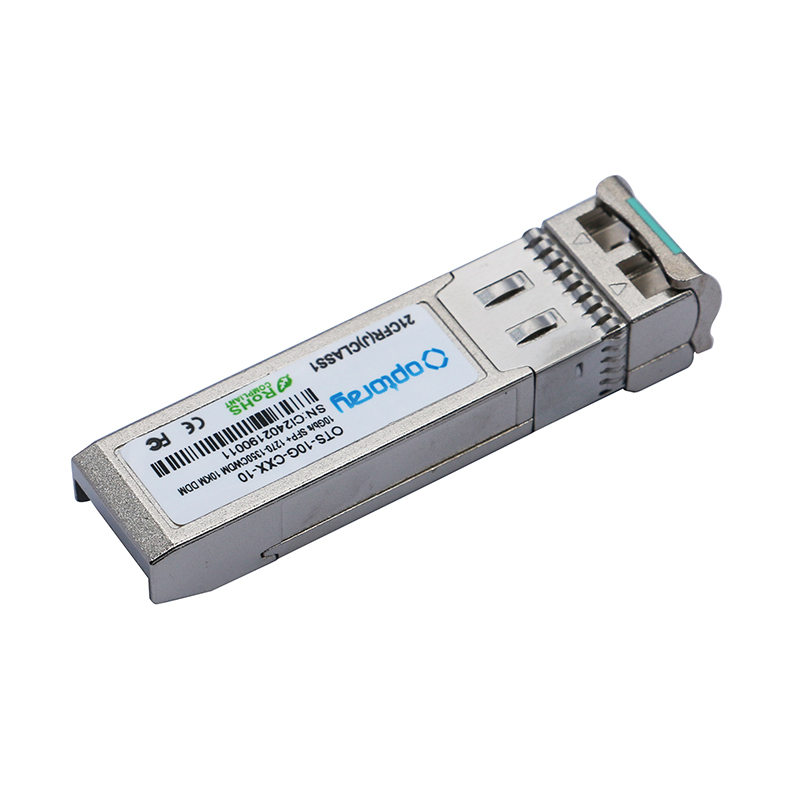
There are two primary variations of this technology utilized in optical transceivers. Coarse WDM uses wider wavelength spacing between channels. This makes the lasers and filters inside the module less expensive to manufacture, making it an attractive solution for enterprise networks and metro-edge deployments where high capacity is needed but budget constraints are strict.
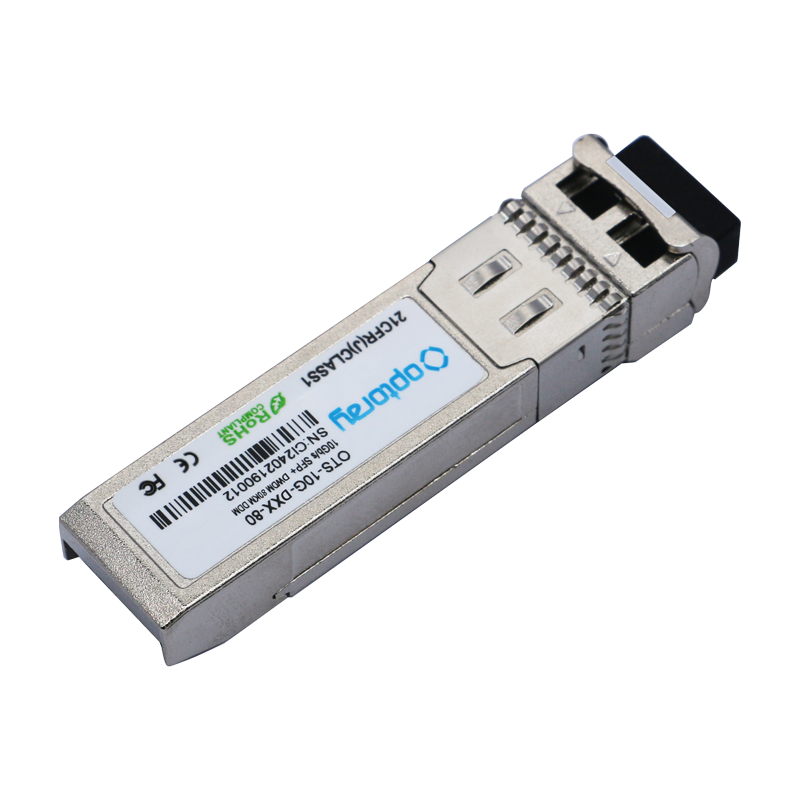
Dense WDM uses extremely tight wavelength spacing, allowing for dozens—or even hundreds—of channels to be multiplexed onto a single fiber. DWDM optical transceivers require highly precise temperature control mechanisms, such as integrated Thermo-Electric Coolers, to keep the laser wavelengths stable and prevent them from drifting into neighboring channels. This technology is the backbone of core telecommunications networks and undersea cables, allowing petabits of data to traverse oceans through a single strand of glass.
Digital Signal Processing as a Game Changer
The transition to data rates beyond a certain threshold introduced severe physical impairments that could not be solved by purely optical means. This is where Digital Signal Processing became an absolute necessity inside the optical transceiver. Modern high-speed modules are not just simple electro-optical converters; they are highly sophisticated computing devices in their own right.
As light travels through fiber, different wavelengths travel at slightly different speeds, causing the light pulse to spread out and overlap with adjacent pulses—a phenomenon known as chromatic dispersion. Similarly, imperfections in the round shape of the fiber cause light polarized in different directions to travel at different speeds, leading to polarization mode dispersion. In the past, network engineers had to deploy expensive dispersion compensation modules along the fiber route. Today, DSP chips inside the optical transceiver mathematically undo this distortion at the receiver end, eliminating the need for external physical compensation equipment. This capability dramatically lowers the total cost of ownership for high-speed networks and makes long-distance transmission of extremely high data rates practically feasible.
The Role of Optical Transceivers in Artificial Intelligence Networks
The explosive growth of artificial intelligence and machine learning workloads has created an entirely new set of challenges for network infrastructure. Training large language models requires thousands of specialized computing GPUs to communicate with each other continuously. If the network bottleneck prevents these GPUs from sharing data fast enough, the expensive computing hardware sits idle, waiting for information. In these environments, the optical transceiver becomes the critical bottleneck or enabler of the entire computing cluster.
AI and high-performance computing networks demand optical transceivers with specific characteristics. Low latency is paramount; even microscopic delays compounded across thousands of connections can severely degrade model training times. Furthermore, these networks require ultra-high bandwidth density. Traditional data center topologies are insufficient for AI, necessitating a shift to specialized topologies where servers are connected in advanced grid patterns. This topology shift demands optical transceivers that can deliver massive bandwidth while maintaining strict error-free performance under continuous, maximum-throughput conditions. The thermal and power efficiency of these modules has consequently become a primary engineering focus, as a typical AI cluster may require tens of thousands of these modules running simultaneously in a confined space.
Practical Guidelines for Selecting the Proper Module
Choosing the right optical transceiver for a specific network deployment is a multifaceted decision that goes beyond simply matching the speed rating. A mismatched module can lead to intermittent network failures, degraded performance, or premature hardware failure. Network engineers must evaluate several critical parameters before procurement.
- Compatibility Verification: Always ensure the optical transceiver is explicitly compatible with the host switch or router. While many modules adhere to Multi-Source Agreements—industry-standard specifications that ensure interoperability—some equipment vendors implement proprietary digital diagnostics that reject unauthorized third-party modules.
- Dominate Wavelength and Fiber Match: Verify that the laser wavelength precisely matches the fiber type installed in the facility. Deploying a single-mode module on multi-mode fiber will result in severe signal loss, while deploying a multi-mode module on single-mode fiber will cause massive optical reflections that can permanently damage the laser.
- Power Budget Analysis: Calculate the total optical power budget of the link, which is the difference between the transmitter power and the receiver sensitivity. This budget must be higher than the total loss of the fiber cable, connectors, and splices combined, with a comfortable safety margin reserved for aging and environmental fluctuations.
- Thermal Evaluation: Ensure the switch chassis can adequately cool the optical transceiver. High-speed modules generate significant heat, and operating them in an environment that exceeds their maximum rated case temperature will trigger automatic laser shutdowns to prevent permanent damage.
Diagnostic Capabilities and Network Maintenance
Modern optical transceivers are equipped with robust Digital Diagnostic Monitoring interfaces. This standardized feature provides network administrators with real-time visibility into the internal health and operating parameters of the module, transforming the transceiver from a passive component into an active monitoring tool. By querying the DDM interface, administrators can access critical metrics without leaving their management consoles.
- Transmit Optical Power: Indicates the exact strength of the laser being emitted. A sudden drop in this value often indicates a failing laser diode or a contaminated connector.
- Receive Optical Power: Shows the strength of the light arriving at the receiver. Consistently high receive power can overload the photodetector, while extremely low power indicates a broken fiber or a dirty patch panel.
- Module Temperature: Tracking temperature trends helps predict hardware failures. A module running progressively hotter over weeks is likely suffering from degraded thermal interface materials or failing internal components.
- Supply Voltage: Monitors the electrical power being provided to the module by the host switch, ensuring it remains within the tight tolerances required for precise laser modulation.
Leveraging these diagnostic capabilities allows IT teams to shift from reactive troubleshooting to proactive network maintenance, identifying and replacing degraded optical transceivers before they cause unexpected network outages.
Future Trajectories in Optical Transceiver Technology
The evolution of optical transceivers is far from over. As global bandwidth demands continue to double every few years, researchers and engineers are exploring several revolutionary pathways to extend the capabilities of optical interconnects. The primary focus is no longer just on increasing raw speed, but on fundamentally rethinking how optical components interact with computing silicon.
Co-Packaged Optics represents the most significant paradigm shift on the horizon. By eliminating the traditional electrical channel between the switch chip and the optical module, CPO promises to drastically reduce the energy per bit transmitted. This is becoming increasingly critical as the power consumption of large-scale data centers approaches the limits of available electrical grid infrastructure. Furthermore, the industry is actively researching the integration of Silicon Photonics—manufacturing optical waveguides and lasers directly on silicon wafers using standard semiconductor fabrication techniques. This approach has the potential to mass-produce optical transceivers at a fraction of the current cost while enabling unprecedented levels of integration. Additionally, advanced modulation formats beyond simple amplitude modulation are being standardized to squeeze even more data capacity out of existing fiber lanes, ensuring that the optical transceiver will continue to serve as the foundational pillar of global communications for decades to come.



Mobile Web
Quick Links
Products
Get in Touch
-
 Phone: +86-186 5596 6697
-
 E-mail: [email protected]
-
 Add:No.4 PiYun Road, Huangshan Economic Development Zone, Huangshan City, Anhui Province, China.
Copyright © Huangshan Optoray Communication Corp., Ltd. All rights reserved.
China SFP Transceiver Module Manufacturers


