


 English
 русский
+86-0559-5290604
Why are more and more companies paying attention to the performance indicators of SFP modules?
In the era of high-speed network communication, SFP modules, as core components in fiber optic communication systems, are crucial for the stability and efficiency of network data transmission. Whether in data centers, enterprise networks, or the backbone networks of telecommunications operators, SFP modules play an irreplaceable role.
Technical Principles and Structural Characteristics of SFP Modules
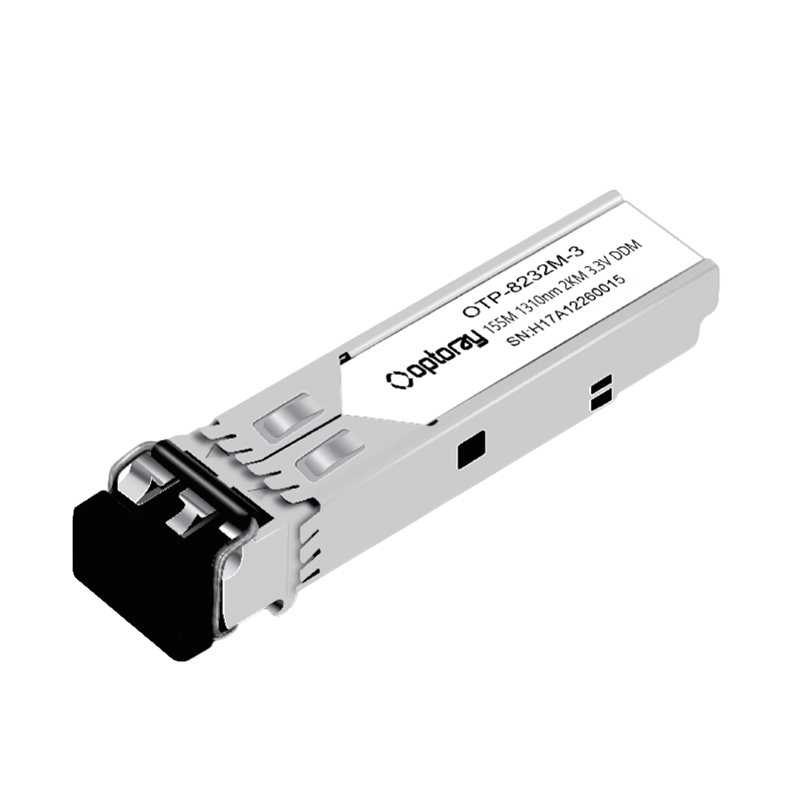
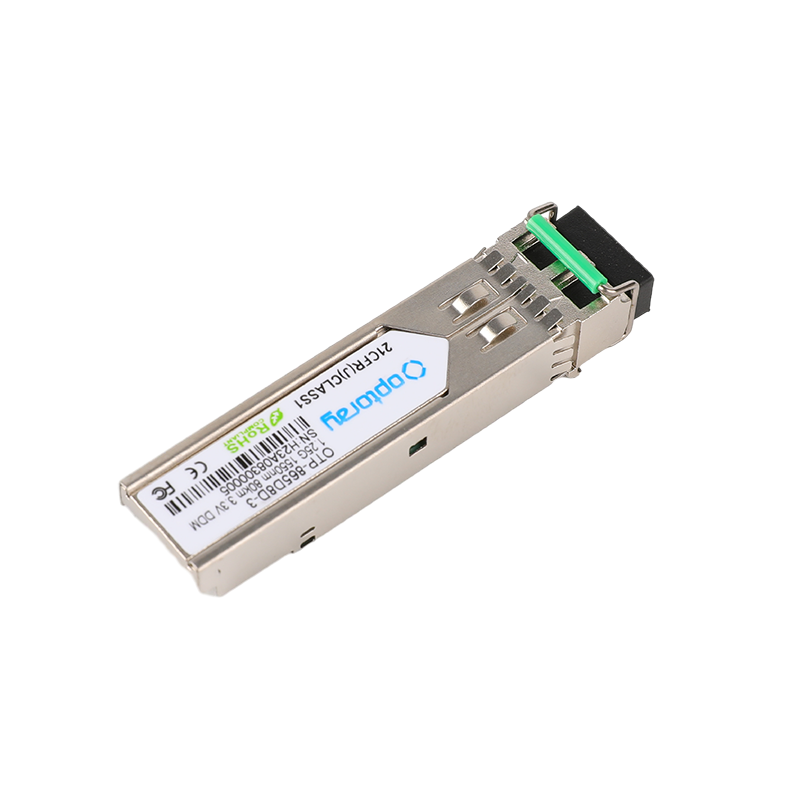
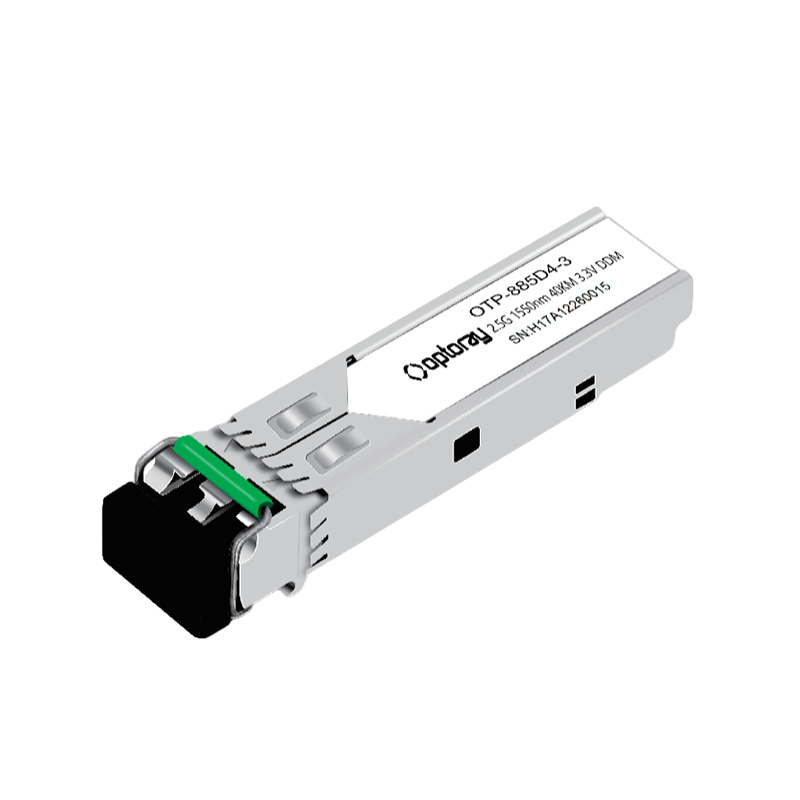
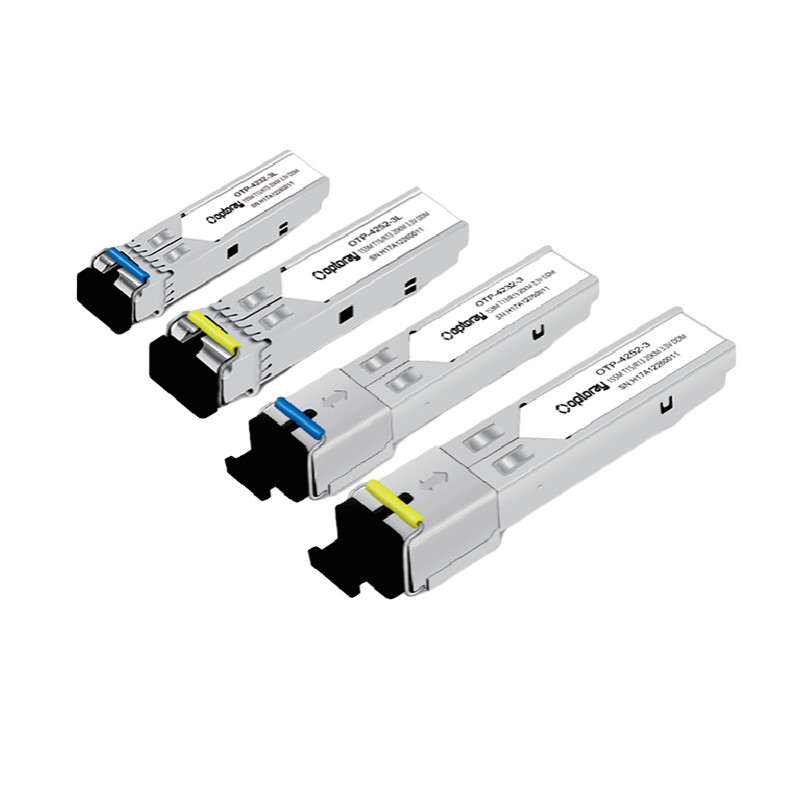
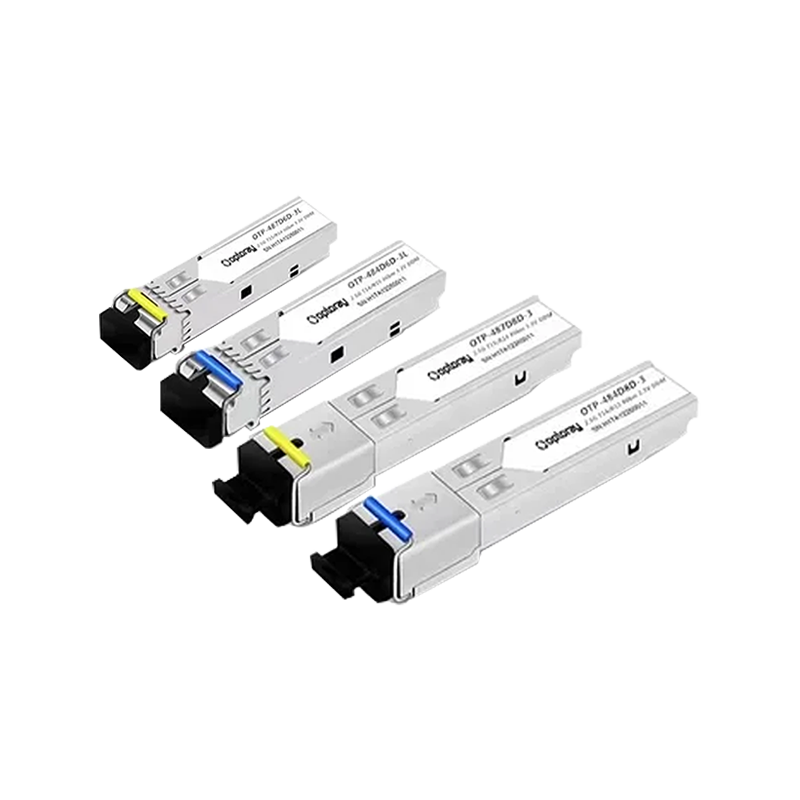
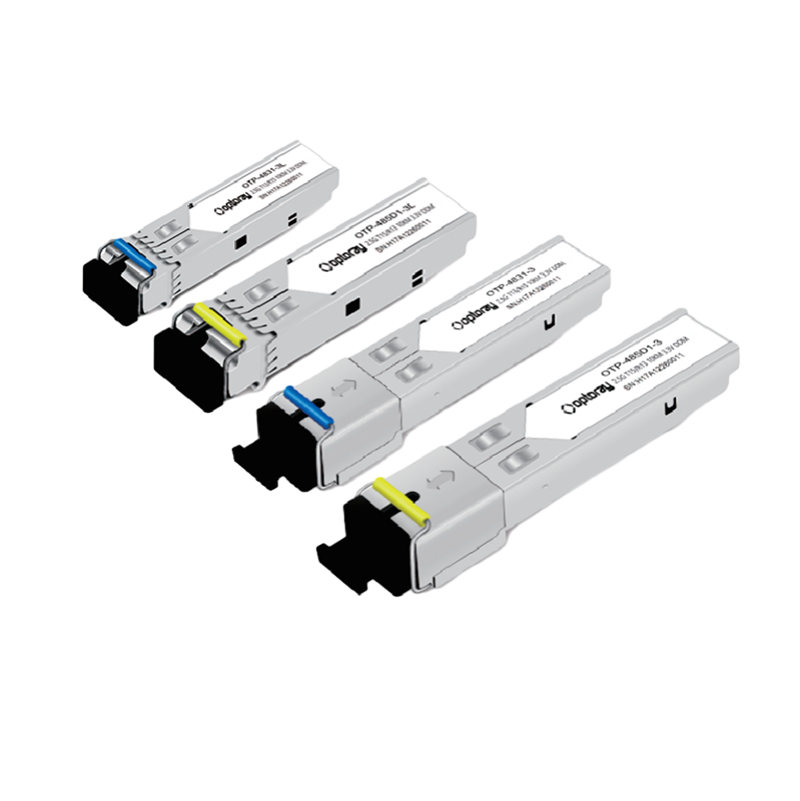
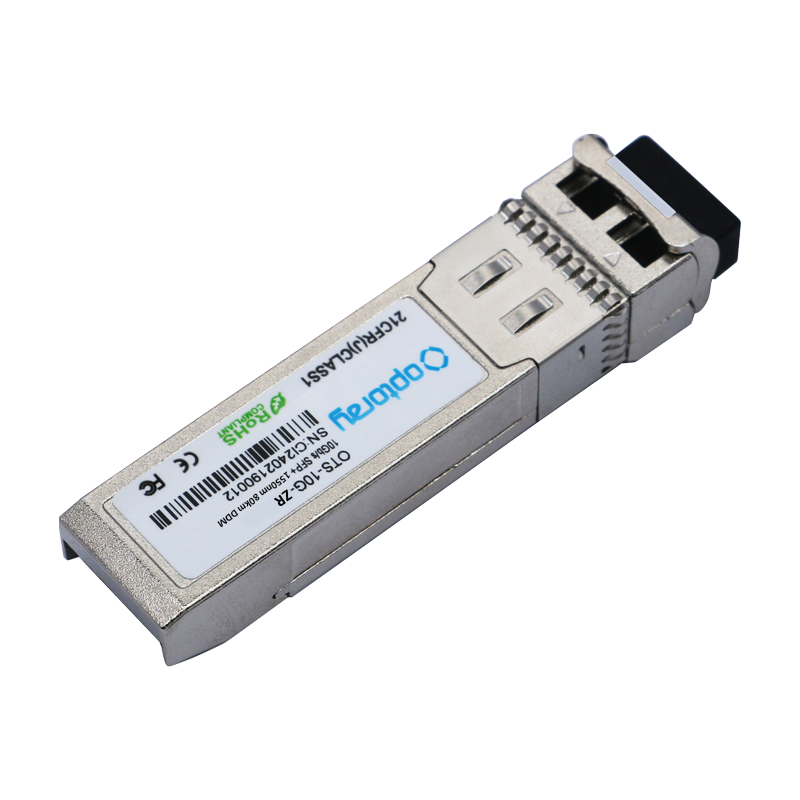
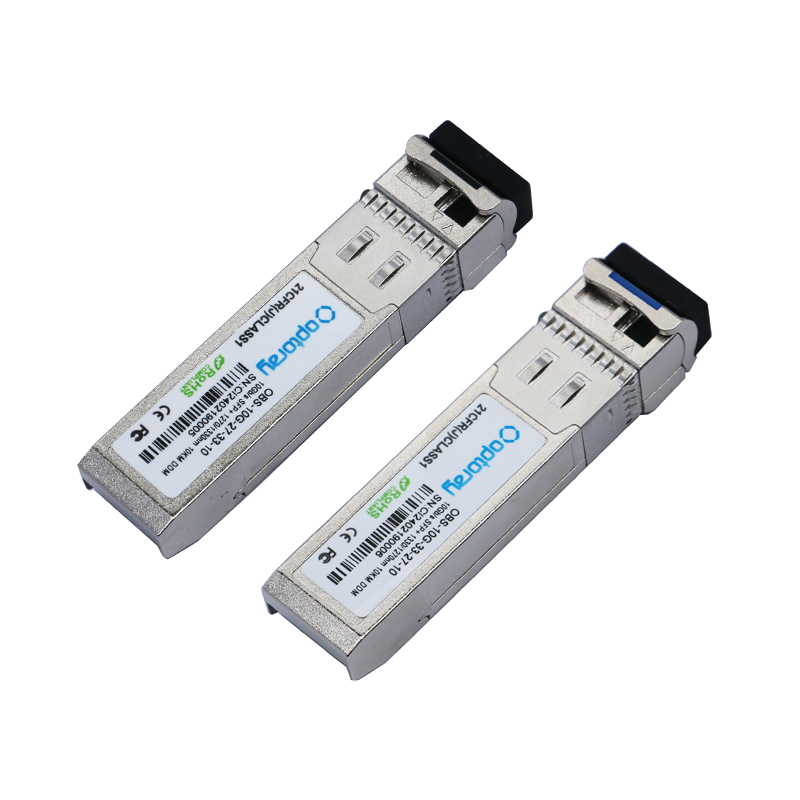
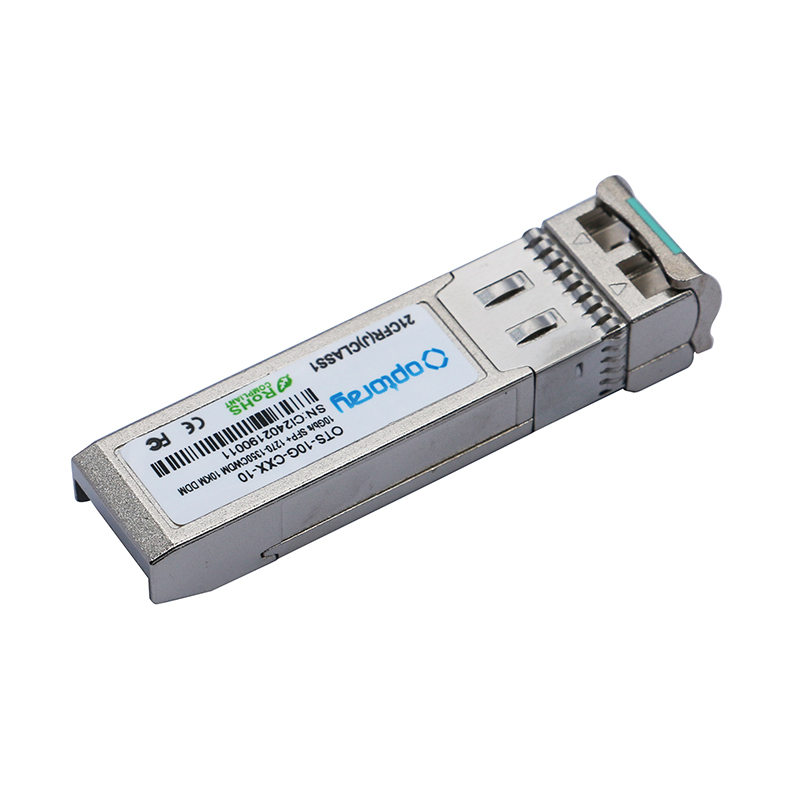
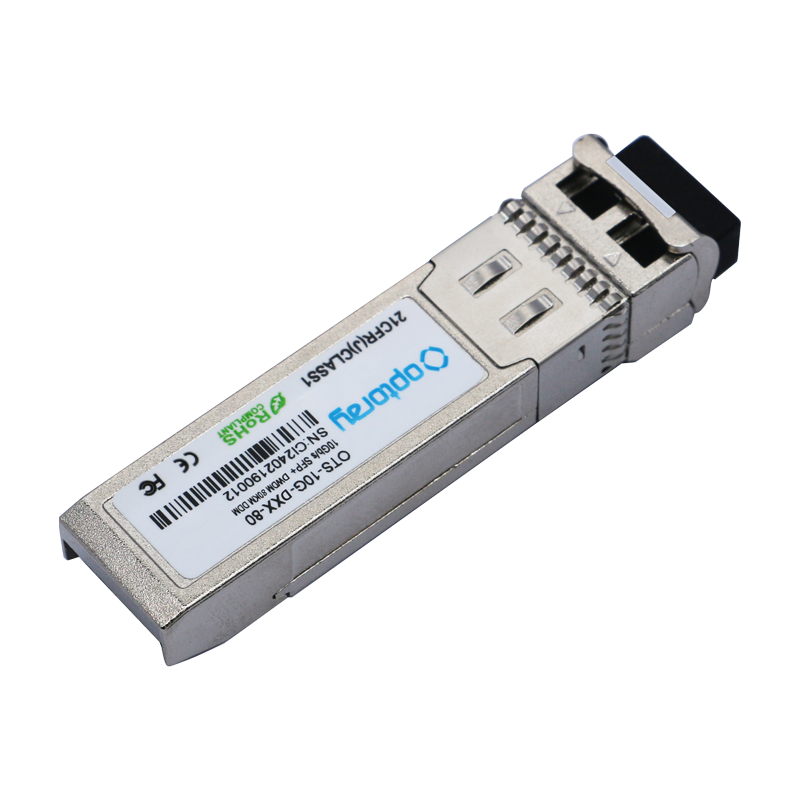
SFP (Small Form-factor Pluggable) modules are hot-swappable fiber optic or copper cable interface modules, primarily used for signal conversion between network equipment and fiber optic links. Their core function is to convert electrical signals into optical signals, or vice versa, enabling long-distance data transmission.
Structurally, SFP modules typically consist of a laser or photodetector, a fiber optic interface, a driver circuit, and a monitoring module. The laser is responsible for transmitting the optical signal, while the photodetector receives the returning optical signal. The driver circuit amplifies and modulates the signal, allowing data to be transmitted through the fiber at high speed and with a low error rate. Modern SFP modules also feature digital diagnostic monitoring capabilities, allowing real-time monitoring of the module's operating status, including temperature, voltage, and optical power, providing precise data support for network management.
SFP modules utilize a miniaturized design, allowing them to support various speeds and interface types even in limited space. Their standardized interface and hot-swappable features make equipment upgrades and maintenance more flexible and efficient.
Performance Advantages of SFP Modules
SFP modules demonstrate significant performance advantages in fiber optic communication, making them indispensable components in modern network architectures. They can support various transmission speeds, from Gigabit Ethernet to 10 Gigabit fiber optic links, providing flexible bandwidth expansion solutions. The modules have strong compatibility, adapting to network equipment from different manufacturers, reducing network deployment and maintenance costs.
SFP modules excel in signal transmission stability. High-quality optoelectronic conversion components and precise optical design minimize signal loss and interference during transmission. This effectively guarantees the continuity and reliability of critical business operations for data centers and enterprise core networks.
The hot-swappable feature of SFP modules greatly enhances the convenience of network maintenance. Administrators can install, replace, or upgrade modules without shutting down the equipment power. This not only reduces network downtime but also lowers the complexity of operation and maintenance.
SFP Module Application Scenarios
In practical applications, SFP modules are widely used in various network environments. They can be used for server interconnection in data centers, as well as for metropolitan area networks and backbone network construction by telecommunications operators. Their flexible interface design allows them to support single-mode fiber, multi-mode fiber, and copper cable links simultaneously, meeting transmission needs for different distances and bandwidths.
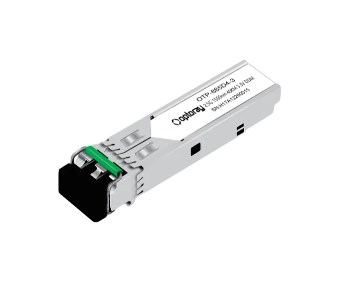
In enterprise networks, SFP modules are used in core switches and aggregation layer devices, handling high-density data traffic transmission. By deploying high-performance SFP modules, enterprises can effectively improve network response speed and data throughput, providing reliable communication guarantees for business systems.
At the same time, with the rapid development of high-definition video, cloud computing, and big data services, the requirements for network bandwidth and transmission quality are becoming increasingly higher, and the importance of SFP modules is becoming more prominent. Their high performance, high reliability, and flexibility make them a key component supporting modern network infrastructure.
Key Factors for Choosing High-Quality SFP Modules
When choosing SFP modules, several core factors need to be considered to ensure the long-term stable operation of the network. Transmission rate and interface type are the most basic considerations. Choosing a matching module type based on the requirements of network equipment and fiber optic links can maximize network performance.
The optical performance of the module is also crucial, including parameters such as transmission distance, receiving sensitivity, and output power. High-quality modules usually have lower bit error rates and stronger anti-interference capabilities, enabling stable operation in complex network environments.
Digital diagnostic monitoring functionality has also become an important indicator for evaluating modules. Real-time monitoring of module status helps network administrators detect potential problems in advance, avoiding network outages caused by module failures.
Module compatibility and brand reputation are also important factors to consider. Choosing rigorously tested, standardized modules ensures seamless integration with existing equipment and reduces long-term maintenance risks.
FAQ: Common Questions about SFP Modules
-
Q1: Can SFP modules be replaced freely?
A1: SFP modules support hot-swapping, but it is still necessary to ensure that the selected module matches the device interface type, speed, and fiber type to avoid compatibility issues.
-
Q2: How long is the typical lifespan of an SFP module?
A2: The module's lifespan mainly depends on the quality of the laser and electronic components. High-quality modules can operate stably for a long time under normal working conditions, usually for several years.
-
Q3: What is the difference between SFP modules and SFP+ modules?
A3: SFP modules typically support Gigabit speeds, while SFP+ modules support 10 Gigabit and higher bandwidths. The two have similar interface forms, but differ in transmission performance and power consumption.
-
Q4: How to determine if an SFP module is working correctly?
A4: Through digital diagnostic monitoring functions, you can view the module's temperature, voltage, optical power, and signal status in real time to determine its operating condition.
-
Q5: What network environments are suitable for SFP modules?
A5: SFP modules are suitable for various environments such as data centers, enterprise networks, backbone networks, and metropolitan area networks. Single-mode, multi-mode, or copper cable types can be selected based on transmission distance and bandwidth requirements.



Mobile Web
Quick Links
Products
Get in Touch
-
 Phone: +86-186 5596 6697
-
 E-mail: [email protected]
-
 Add:No.4 PiYun Road, Huangshan Economic Development Zone, Huangshan City, Anhui Province, China.
Copyright © Huangshan Optoray Communication Corp., Ltd. All rights reserved.
China SFP Transceiver Module Manufacturers


