


 English
 русский
+86-0559-5290604
How are the lifespan and stability of optical transceivers guaranteed?
In modern communication networks, optical transceivers have become an indispensable core component for data transmission. Whether it's high-speed interconnection in data centers or long-distance transmission in metropolitan and backbone networks, optical modules support the efficient operation of the entire network with their high bandwidth, low latency, and stability.
Basic Structure and Classification of Optical Modules
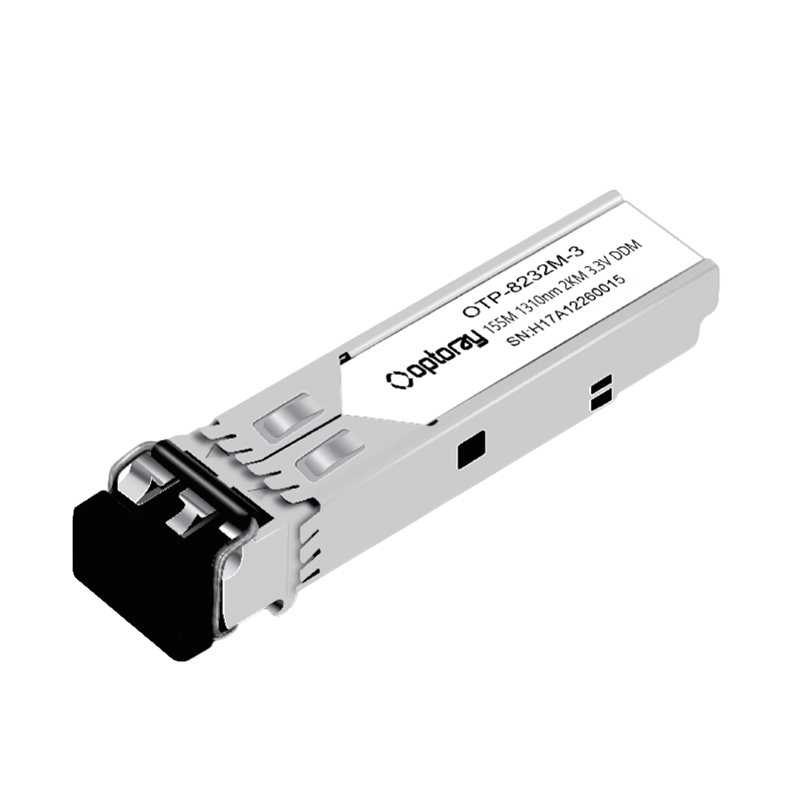
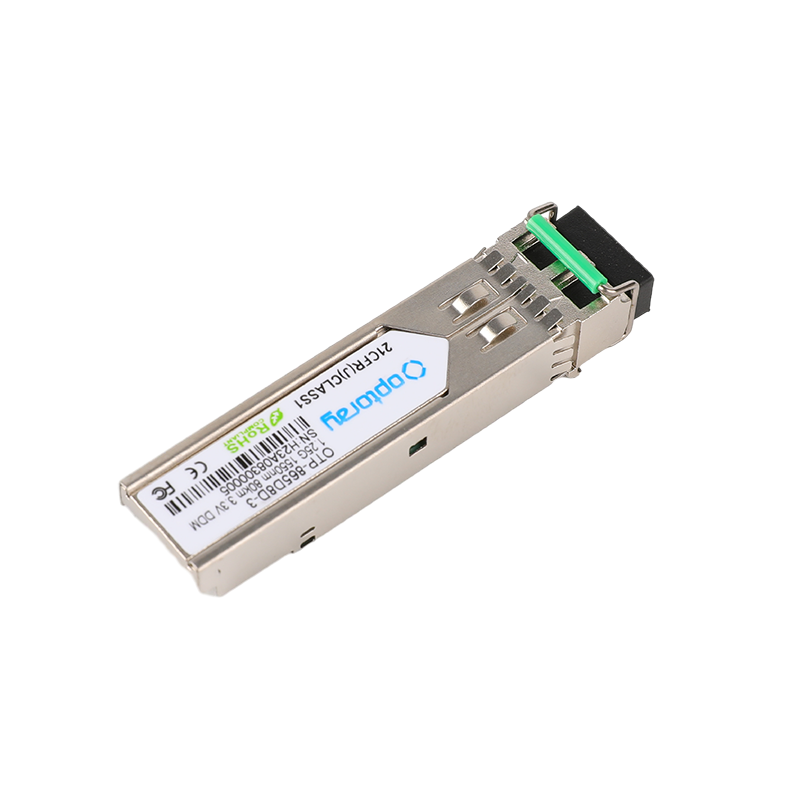
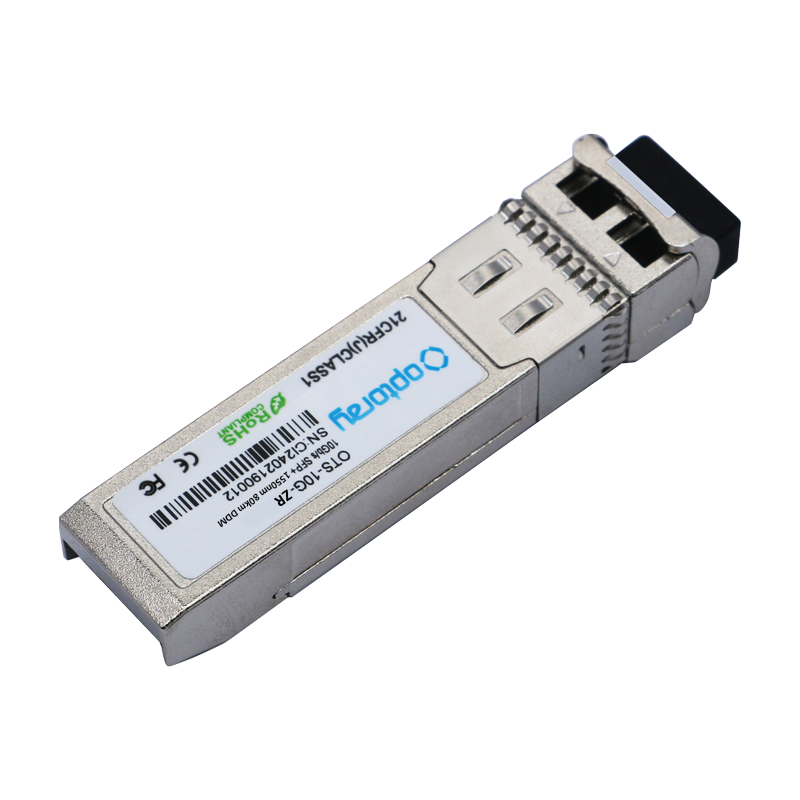
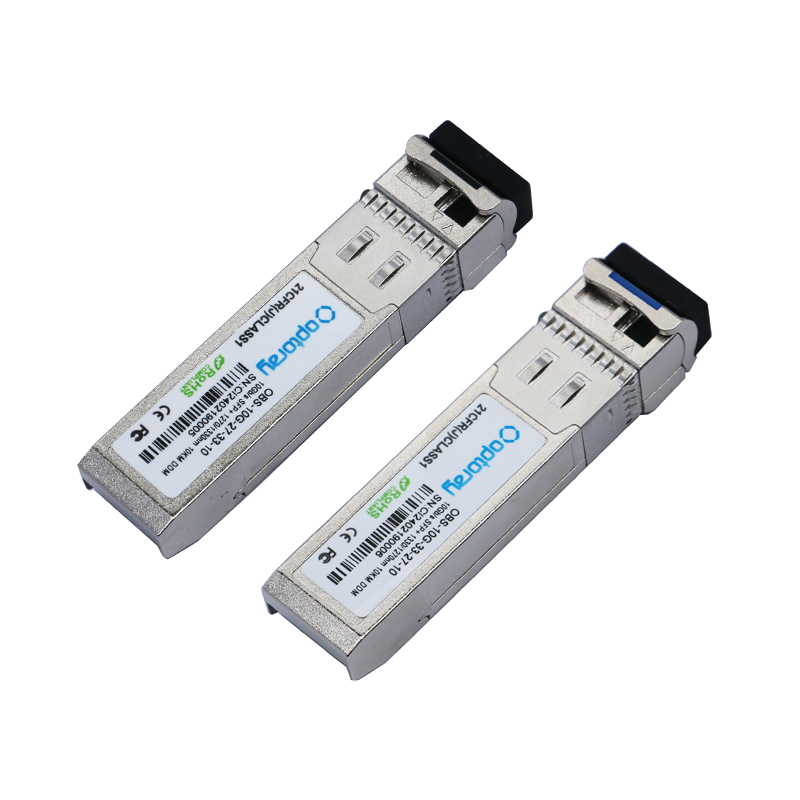
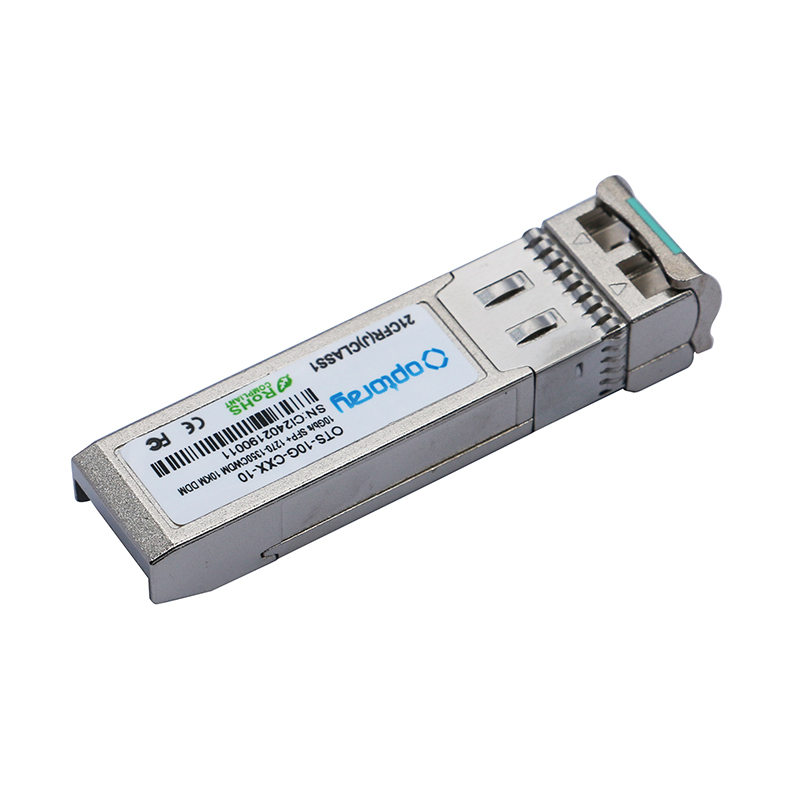
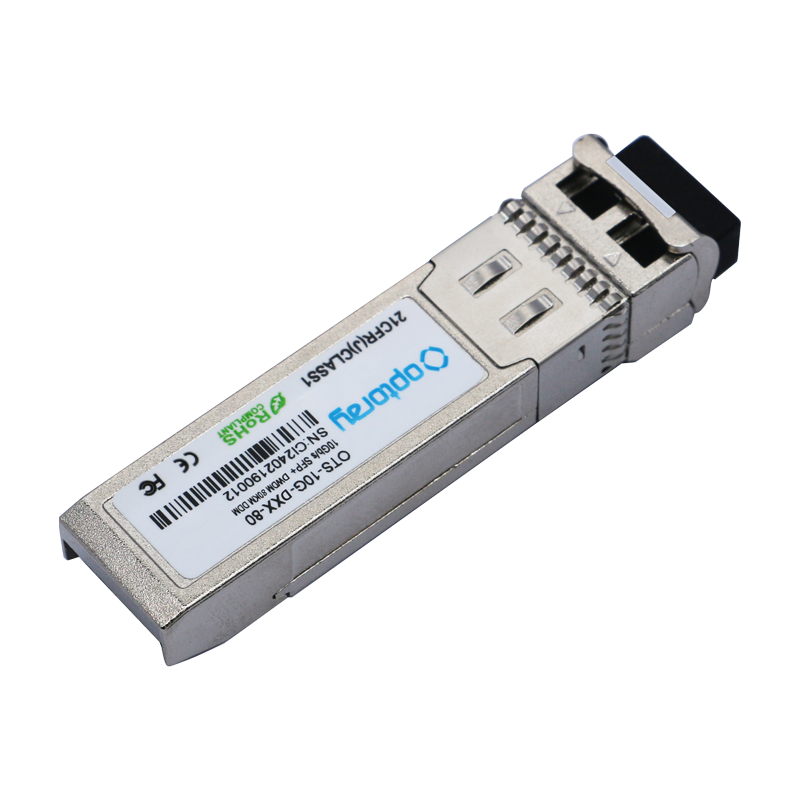
An optical module is a communication device that integrates optical devices and electronic circuits. Its main function is to convert electrical signals into optical signals, or vice versa, thereby achieving high-speed data exchange between optical fibers and network equipment. A typical optical module includes a laser transmitter, a photodetector, driver and receiver circuits, and optical interfaces and fiber coupling components. These core components are tightly integrated, giving optical modules significant advantages in terms of miniaturization, low power consumption, and high speed.
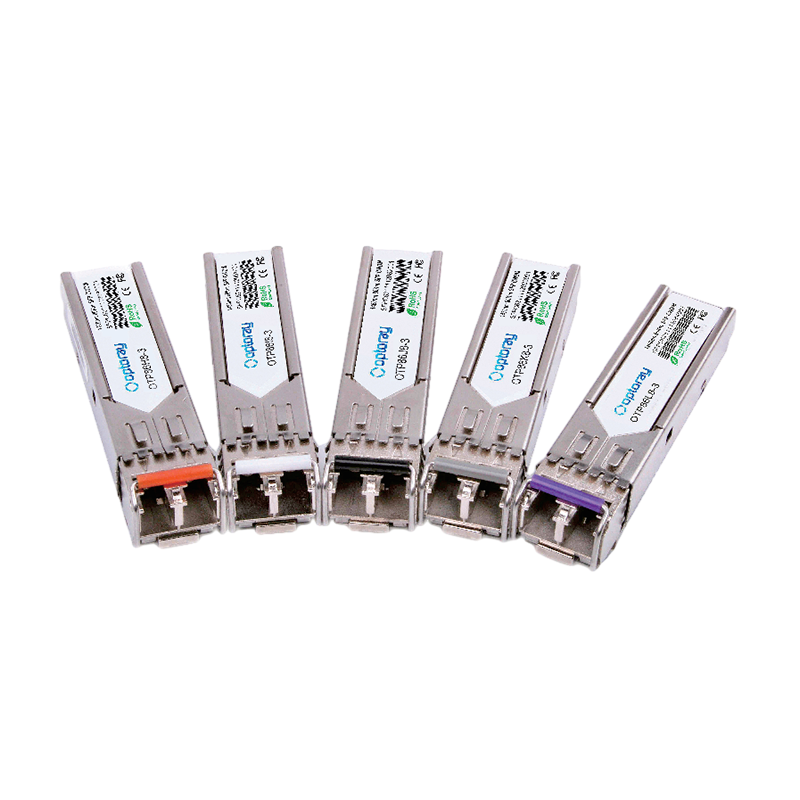
According to transmission distance and application scenarios, optical modules can be divided into short-distance, medium-distance, and long-distance types. Short-distance optical modules are typically used for server interconnection within data centers, medium-distance optical modules are suitable for interconnection between data centers, while long-distance optical modules can support data transmission across cities or even provinces. Based on different transmission rates and interface standards, optical modules can also be subdivided into various models to meet the needs of different network architectures.
Working Principle of Optical Modules
The core working principle of an optical module is photoelectric signal conversion. At the transmitting end, the optical module converts the electrical signal into an optical signal through a laser and then transmits it through the optical fiber; at the receiving end, the optical module converts the optical signal back into an electrical signal through a photodetector, ensuring the complete transmission of information. The laser usually uses a semiconductor laser, which has the characteristics of high-speed response and stable wavelength, while the photodetector relies on a photodiode, which can accurately capture the intensity and waveform of the optical signal.
During signal transmission, the optical module also integrates various electronic processing functions, such as signal amplification, equalization, and error correction, to ensure that data remains complete and reliable during high-speed transmission. Advanced optical modules also support digital diagnostic functions, which can monitor optical power, current, voltage, and temperature in real time, providing accurate data support for network operation and maintenance.
Performance Indicators of Optical Modules
When choosing an optical module, performance indicators are key to evaluating its capabilities and suitability. First is the transmission rate; modern optical modules have rates ranging from hundreds of megabits to hundreds of gigabits, meeting the needs of different network bandwidths. Secondly, transmission distance is a key factor. Short-distance modules are suitable for interconnections within data centers, while long-distance modules enable communication across cities or even countries.
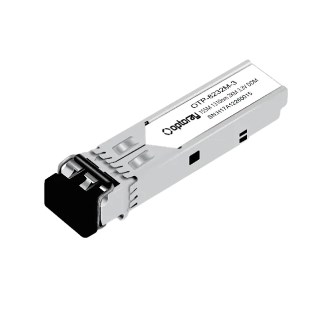
Power consumption and thermal design of optical modules are also important considerations. High-power lasers, while enabling longer transmission distances, lead to higher energy consumption and heat dissipation requirements. Excellent optical module designs typically optimize power control and thermal management to ensure long-term stable operation. Wavelength stability and optical power output stability are also important parameters for measuring the quality of optical modules, directly affecting transmission reliability and network stability.
Application Characteristics and Advantages of Optical Modules
The biggest advantage of optical modules lies in their high bandwidth and low latency. They can guarantee signal quality and network response speed in high-capacity data transmission scenarios. Compared with traditional copper cable connections, optical modules have significant advantages in terms of electromagnetic interference resistance, signal attenuation, and long-distance transmission. This makes optical modules the preferred component for data centers, high-speed switching networks, and fiber access networks.
In addition, optical modules offer flexibility and scalability. The modular design allows network equipment to replace or upgrade optical modules as needed, meeting the requirements of different speeds, distances, and wavelengths without replacing the entire device. This flexibility not only reduces operating and maintenance costs but also improves the efficiency of network expansion.
Future Development Trends of Optical Modules
With the rapid development of data centers, cloud computing, and artificial intelligence applications, the role of optical modules in high-speed communication is becoming increasingly important. High bandwidth, low power consumption, miniaturization, and intelligence will be the core trends in optical module design. Integrating higher-level digital processing functions and intelligent monitoring capabilities will make optical modules not only a channel for signal transmission but also an important tool for network operation and management.
FAQ: Frequently Asked Questions about Optical Transceivers
Q1: Can optical modules be used interchangeably?
A: The interchangeability of optical modules depends on the interface standard, speed, and wavelength parameters. There may be compatibility differences between different manufacturers and models; selection should be based on equipment specifications.
Q2: How long is the typical lifespan of an optical module?
A: The lifespan of an optical module is mainly affected by the laser's operating state, temperature environment, and usage frequency. Generally, high-quality optical modules can operate for many years under normal working conditions.
Q3: Do optical modules generate a lot of heat?
A: High-speed and long-distance optical modules have higher power consumption and are usually equipped with heat dissipation structures in their design. Proper arrangement and control of the ambient temperature can ensure stable operation.
Q4: Can optical modules be used with different types of optical fibers?
A: Optical modules are usually designed for single-mode or multi-mode fibers. Before use, it is necessary to confirm that the fiber type matches the module; otherwise, it may affect transmission performance.



Mobile Web
Quick Links
Products
Get in Touch
-
 Phone: +86-186 5596 6697
-
 E-mail: [email protected]
-
 Add:No.4 PiYun Road, Huangshan Economic Development Zone, Huangshan City, Anhui Province, China.
Copyright © Huangshan Optoray Communication Corp., Ltd. All rights reserved.
China SFP Transceiver Module Manufacturers


