


 English
 русский
+86-0559-5290604
How Compatible Are 100G SFP Modules with Different Networking Devices?
The 100G SFP module is a crucial component in modern networking infrastructure. With the rise of high-bandwidth applications and increased data traffic, these modules play an essential role in enhancing network performance and reducing latency. This article provides a detailed overview of the 100G SFP module, including its pricing, supported protocols, and its application in various network environments. We will also discuss its compatibility with different devices, helping businesses choose the right module for their needs.
What is a 100G SFP Module?
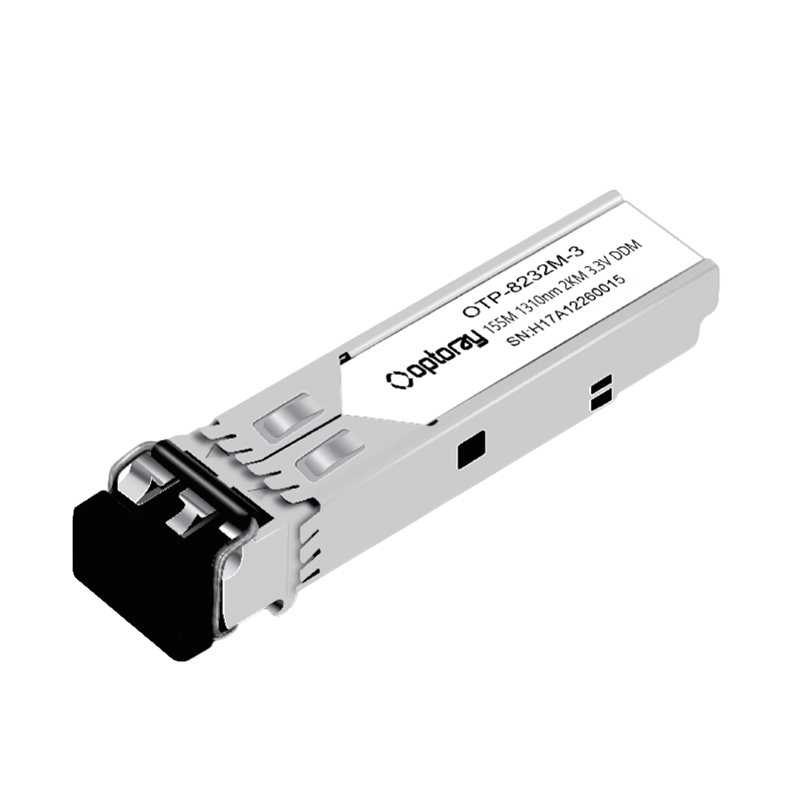
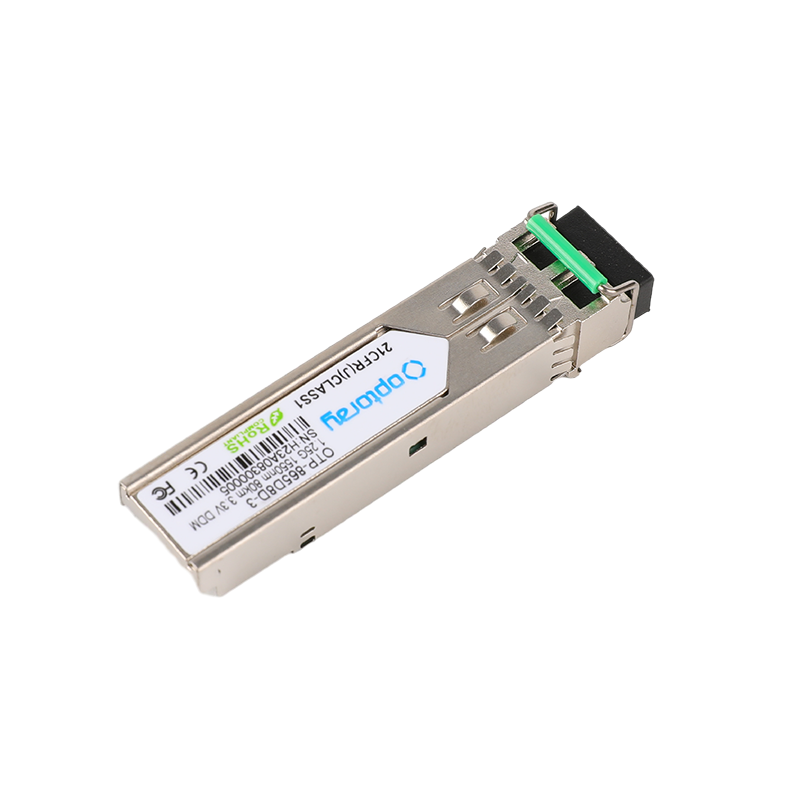
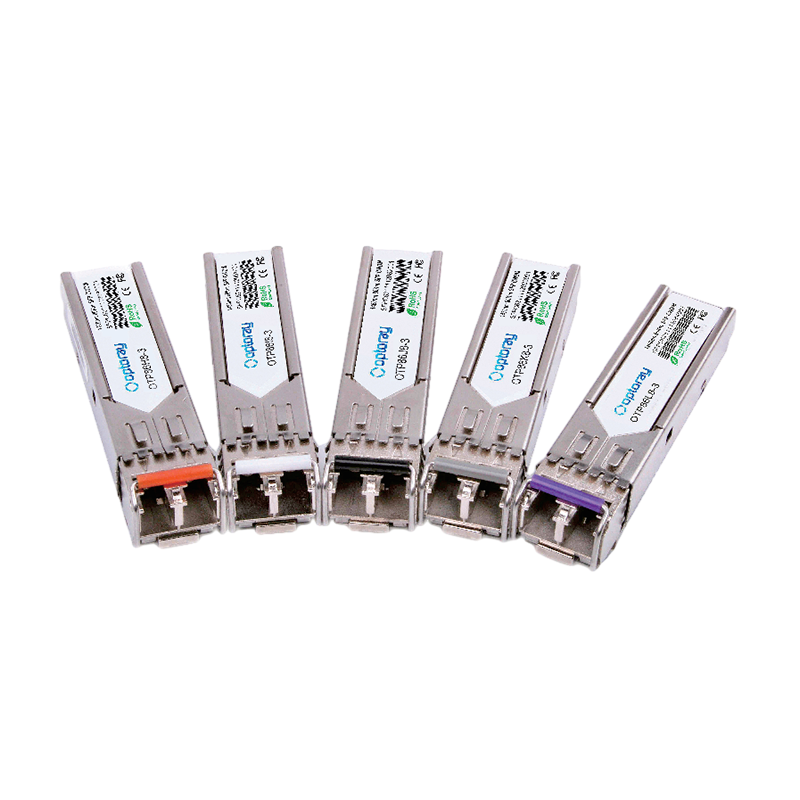
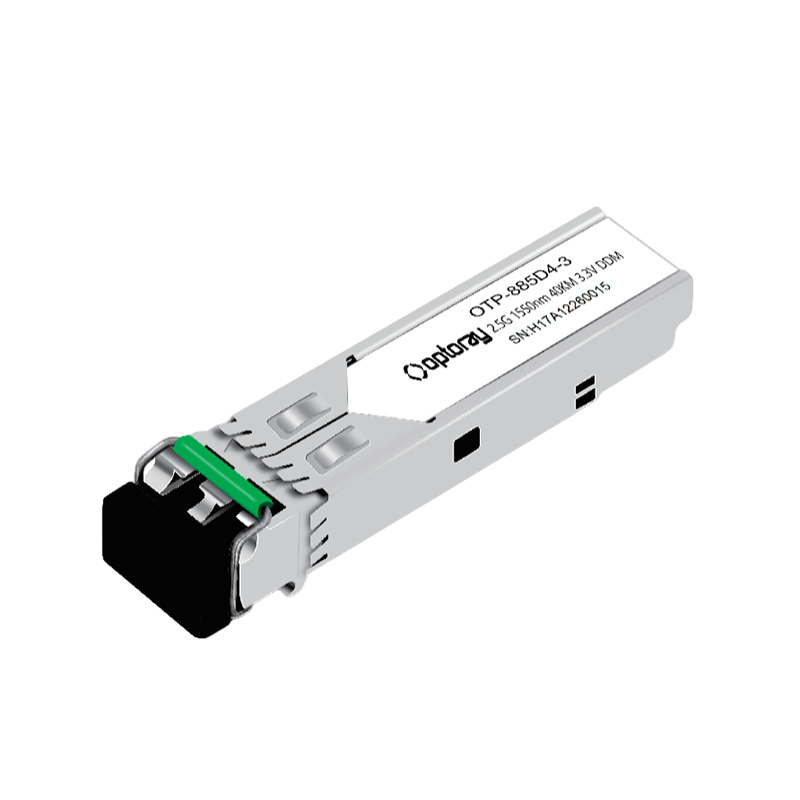
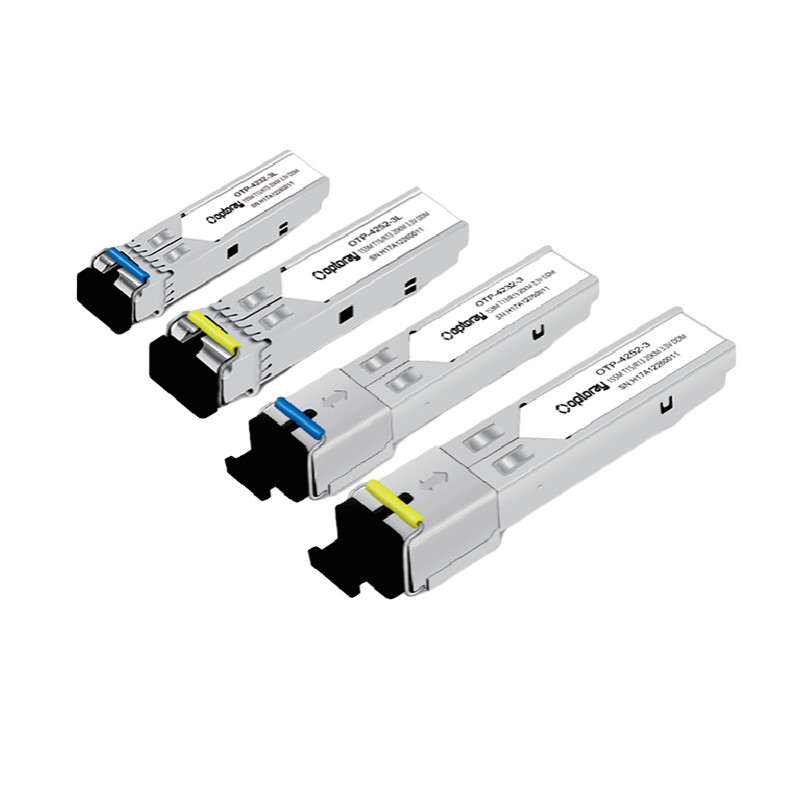
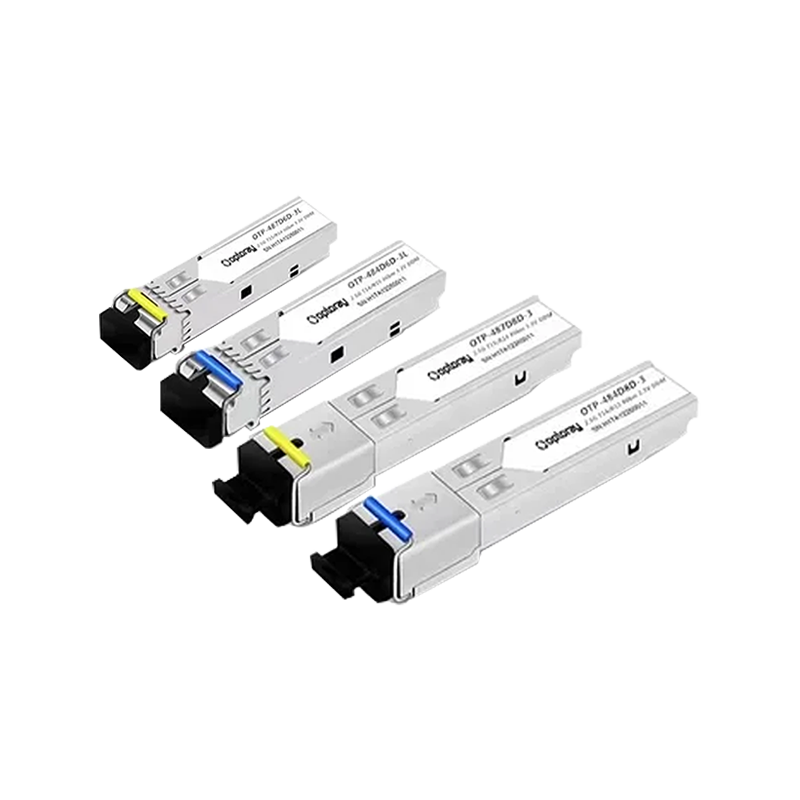
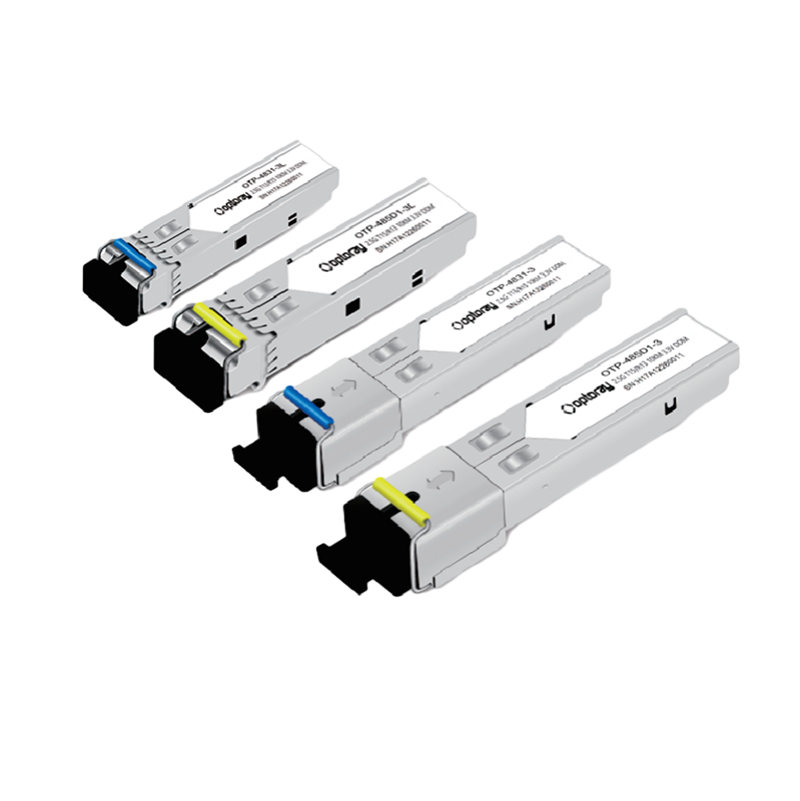
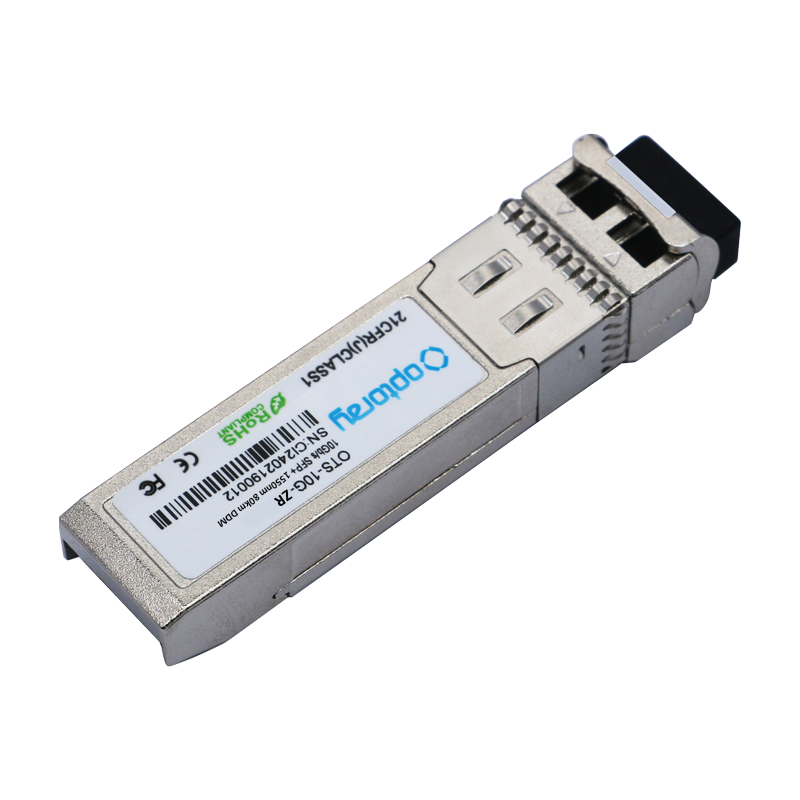
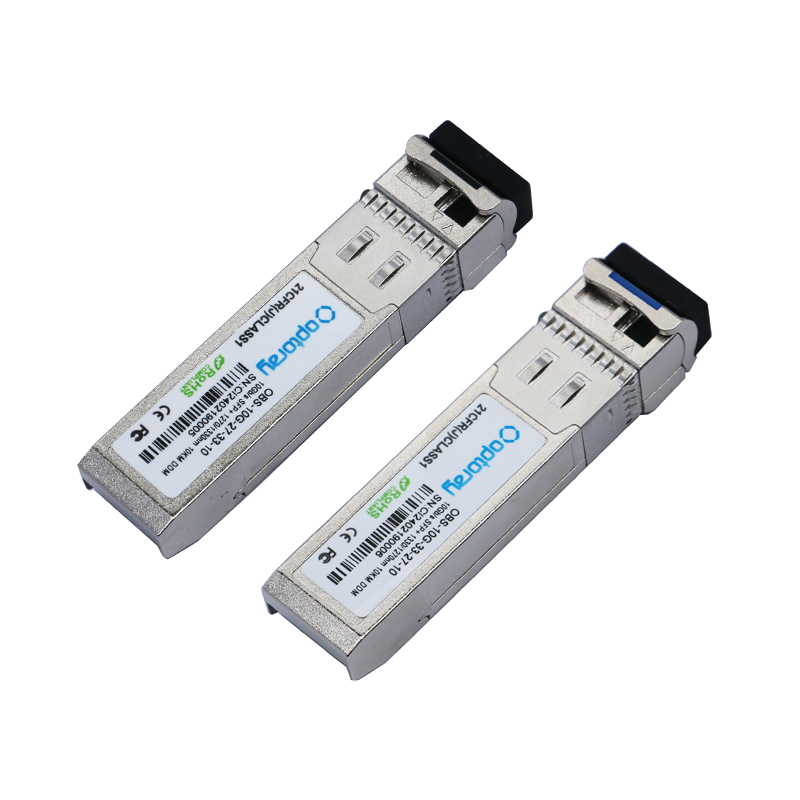
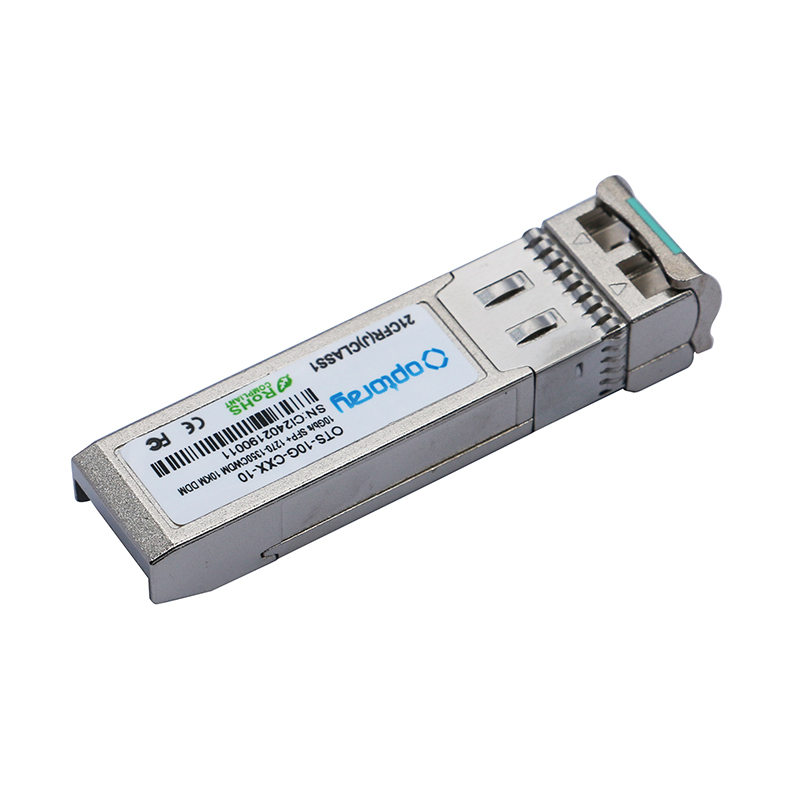
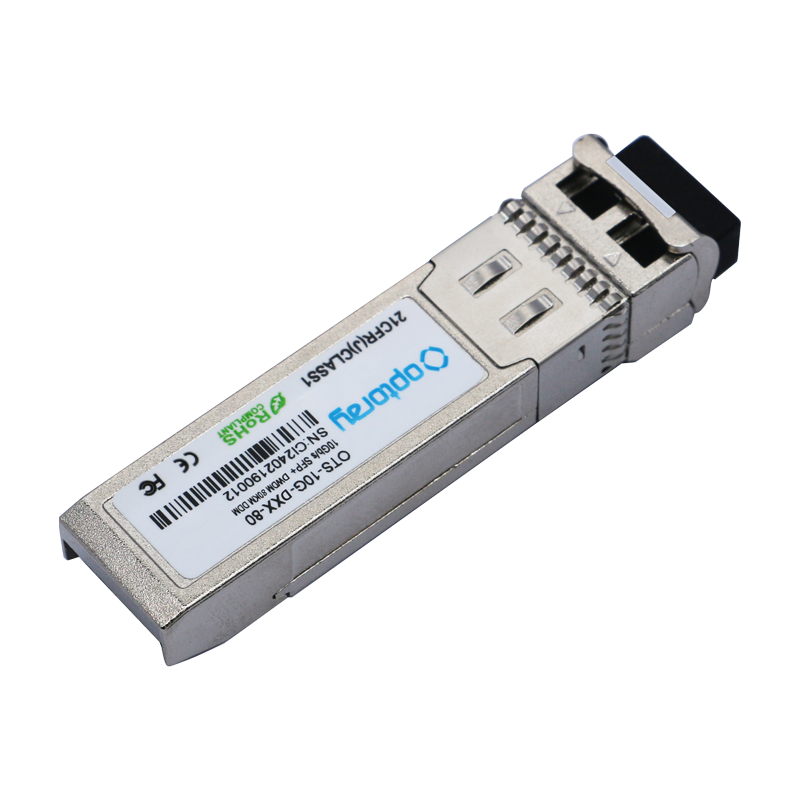
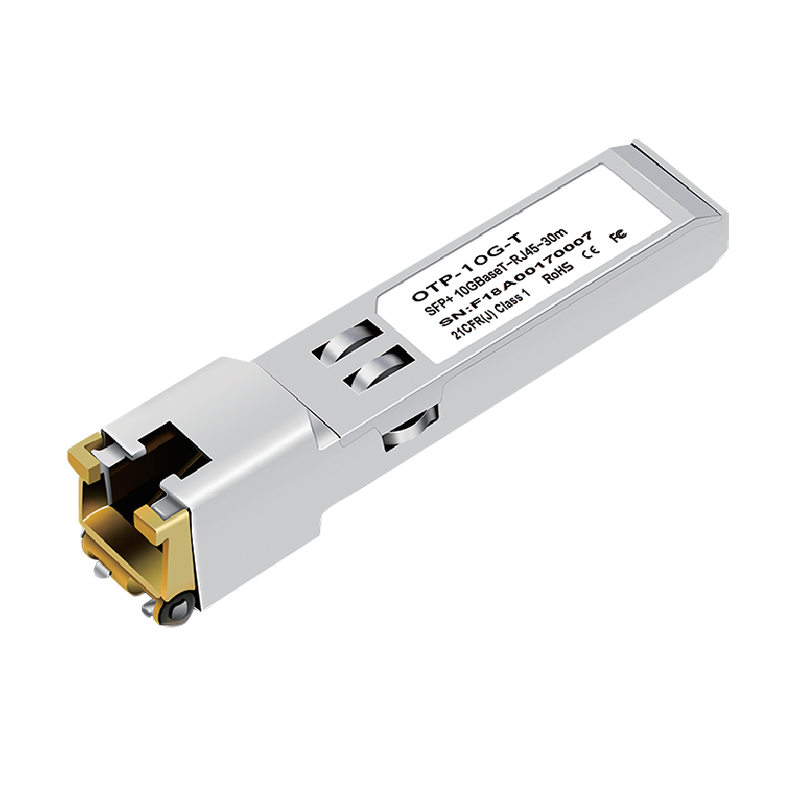
A 100G SFP module is a compact transceiver used for transmitting data at a speed of 100 gigabits per second. These modules are primarily used in high-performance networking environments, such as data centers, cloud services, and enterprise networks.
Key characteristics of 100G SFP modules include:
- Support for high-speed data transmission.
- Small form-factor for easy installation.
- Compatibility with various network types and protocols.
100G SFP Module Pricing
The price of a 100G SFP module varies based on several factors such as the manufacturer, type of fiber (single-mode or multi-mode), and transmission distance. Generally, modules designed for shorter distances (like 100 meters) are more affordable than those meant for longer-range transmissions (such as over 10 kilometers).
To make an informed decision about purchasing 100G SFP modules, it’s essential to consider these pricing factors:
- Type of fiber used (single-mode vs. multi-mode).
- Transmission distance (short-range vs. long-range).
- Volume of purchase (bulk discounts often apply).
Here is a comparative breakdown of 100G SFP module prices based on the distance:
| Module Type | Price Range | Transmission Distance |
| Short-Range (100m) | $500 - $800 | Up to 100 meters |
| Medium-Range (1km) | $900 - $1,200 | Up to 1 kilometer |
| Long-Range (10km) | $1,500 - $2,500 | Up to 10 kilometers |
100G SFP Module vs. QSFP: Key Differences
Both the 100G SFP module and QSFP are used in high-speed networking applications, but they have distinct differences. The main differences are in the form factor, data transmission speed, and compatibility with devices.
Below is a comparison between the two:
| Aspect | 100G SFP Module | QSFP |
| Data Speed | 100 Gbps | 100 Gbps or 40 Gbps (depending on version) |
| Form Factor | Small form-factor | Quad form-factor |
| Compatibility | Typically supports 100G Ethernet, Fibre Channel | Supports multiple configurations like 40G, 100G, and more |
Protocols Supported by 100G SFP Modules
100G SFP modules support a variety of network protocols, ensuring flexibility and compatibility with various systems. Some of the most common protocols include:
- Ethernet (for standard networking applications).
- Fibre Channel (for high-performance storage networks).
- InfiniBand (used in high-performance computing).
Each protocol has specific advantages based on the type of application, so choosing the right protocol ensures optimal network performance.
Compatibility of 100G SFP Modules with Devices
100G SFP modules must be compatible with a variety of devices, including switches, routers, and fiber-optic systems. These modules typically work with devices that have 100G SFP module slots or are designed to accept compatible high-speed transceivers.
Ensure that your device is compatible with the specific type of 100G SFP module you plan to purchase. Many devices have specific requirements regarding fiber type, transmission range, and data rate.
Applications of 100G SFP Modules
100G SFP modules are widely used in various networking applications, including:
- Data centers: supporting large-scale data transmission.
- Cloud computing: enabling high-speed data access for cloud services.
- 5G networks: facilitating high-bandwidth requirements for 5G communication.
These modules play a critical role in ensuring network reliability and performance in environments where speed and bandwidth are crucial.
How to Choose the Right 100G SFP Module
When selecting a 100G SFP module, consider the following factors:
- Bandwidth needs: Make sure the module matches your required bandwidth.
- Distance: Choose the appropriate module based on the required transmission range (e.g., short-range or long-range).
- Compatibility: Verify compatibility with existing devices.
Always ensure that the module you select is designed to support the network protocols you plan to use.
Conclusion
The 100G SFP module is a powerful solution for high-speed data transmission, offering critical performance improvements for enterprise networks, data centers, and emerging technologies like 5G. Understanding pricing, supported protocols, and compatibility with various devices will help businesses make informed decisions when purchasing these modules. By selecting the right 100G SFP module, organizations can future-proof their network infrastructure and ensure efficient, high-performance operations.
Frequently Asked Questions (FAQ)
- What is the main difference between a 100G SFP module and a QSFP?
The key difference is the form factor and compatibility with different networking systems. The 100G SFP module is more compact and commonly used in 100G Ethernet applications, while QSFP can handle multiple configurations like 40G and 100G. - How do I determine the right 100G SFP module for my network?
Consider factors like bandwidth needs, transmission distance, and compatibility with your existing networking equipment. - What protocols does a 100G SFP module support?
It supports Ethernet, Fibre Channel, and InfiniBand, allowing it to serve various networking needs. - How much does a 100G SFP module cost?
The price can range from $500 to $2,500, depending on the transmission distance and fiber type. - Can I use a 100G SFP module with older equipment?
Ensure your equipment is compatible with the module's data rate and form factor before making a purchase.



Mobile Web
Quick Links
Products
Get in Touch
-
 Phone: +86-186 5596 6697
-
 E-mail: [email protected]
-
 Add:No.4 PiYun Road, Huangshan Economic Development Zone, Huangshan City, Anhui Province, China.
Copyright © Huangshan Optoray Communication Corp., Ltd. All rights reserved.
China SFP Transceiver Module Manufacturers


