


 English
 русский
+86-0559-5290604
How Do You Choose the Right SFP Module for Your Network?
Small Form-factor Pluggable (SFP) modules play a critical role in modern networking, offering flexibility, scalability, and high-speed data transmission. This guide aims to provide a comprehensive understanding of SFP modules, from their basic functions to troubleshooting common issues. We will explore the key factors for selecting the appropriate SFP module, understand its application in various scenarios, and examine how to resolve typical problems.
1. What is an SFP Module and How Does it Work?
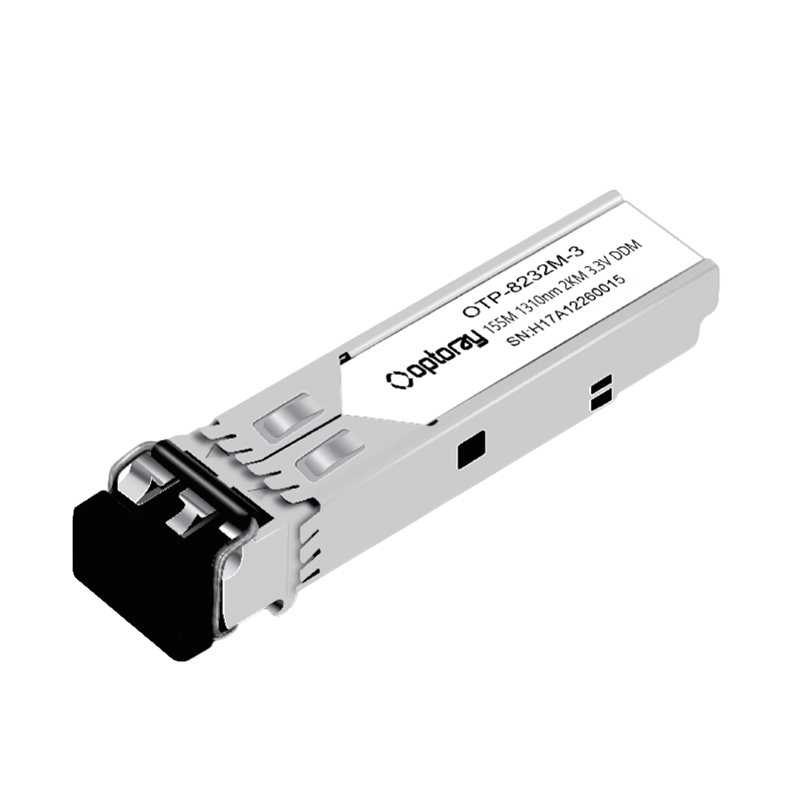
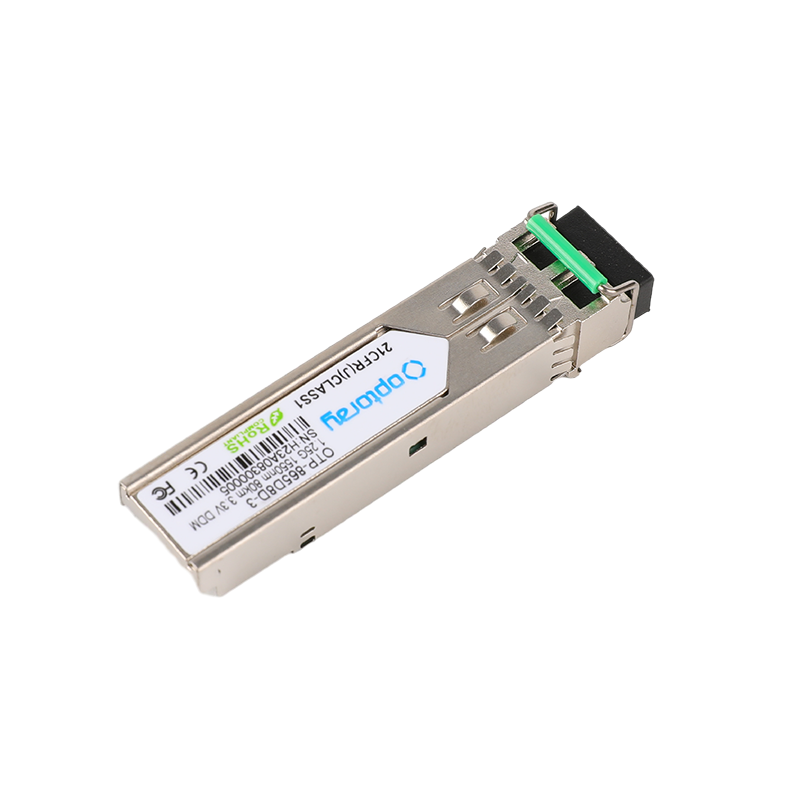
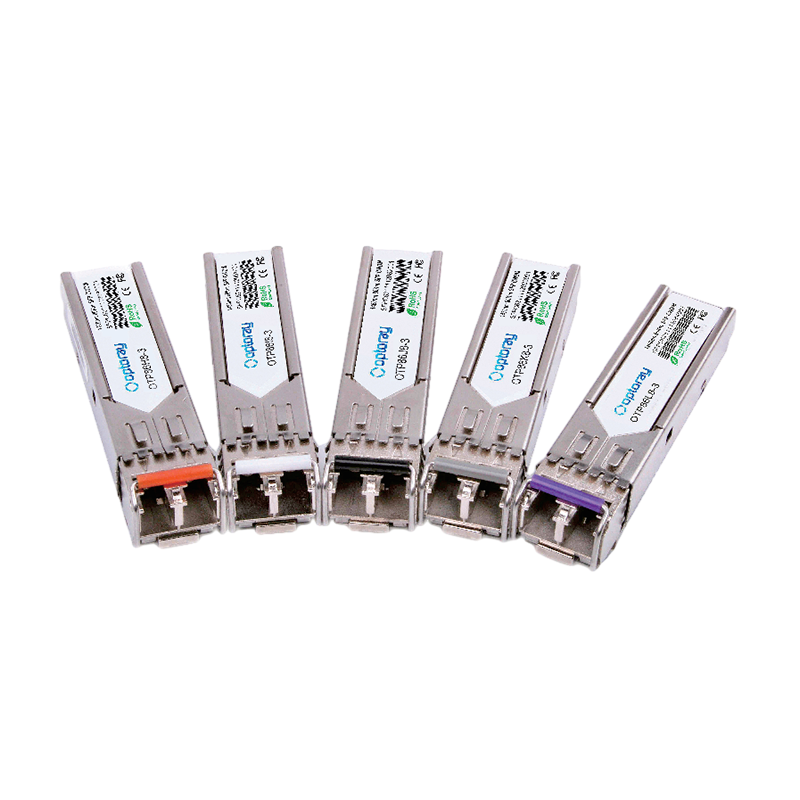
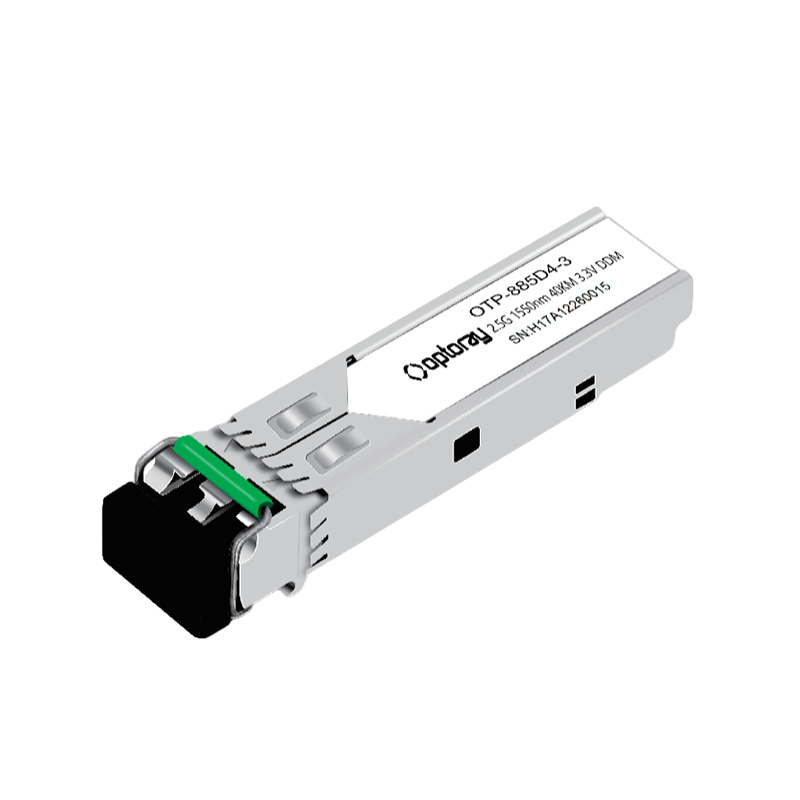
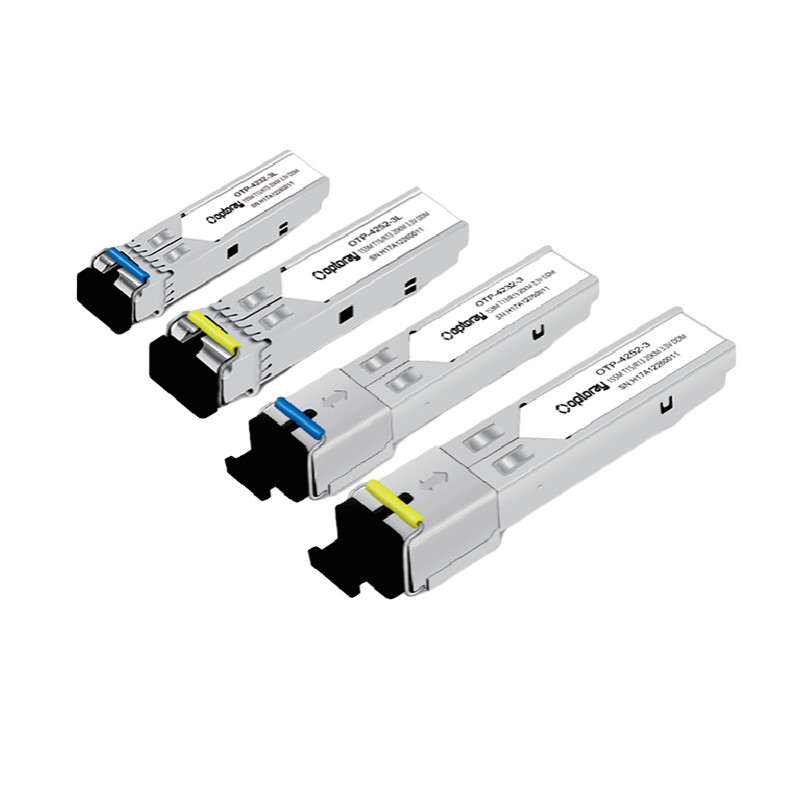
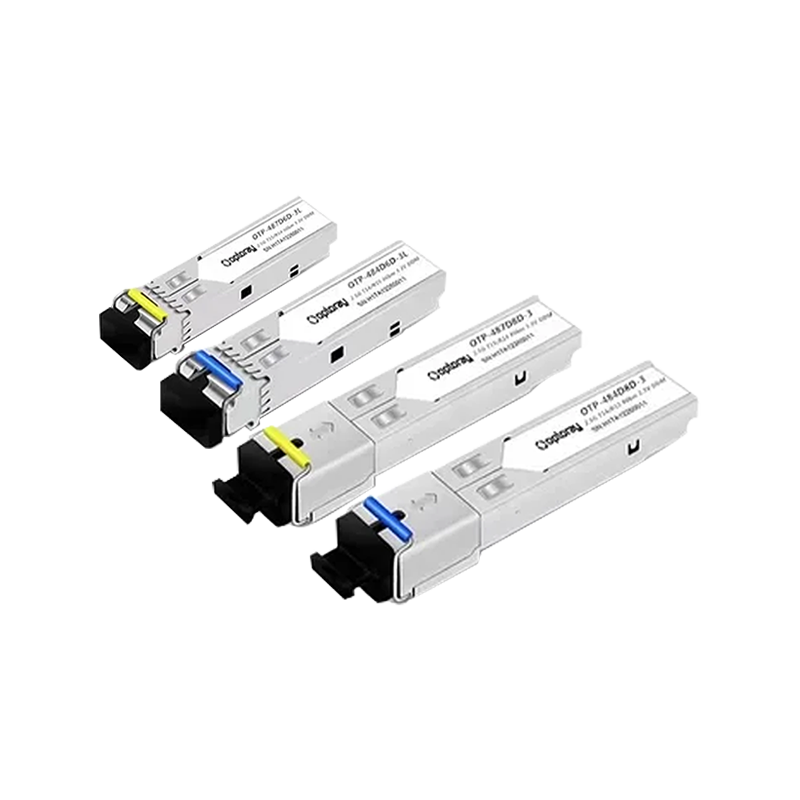
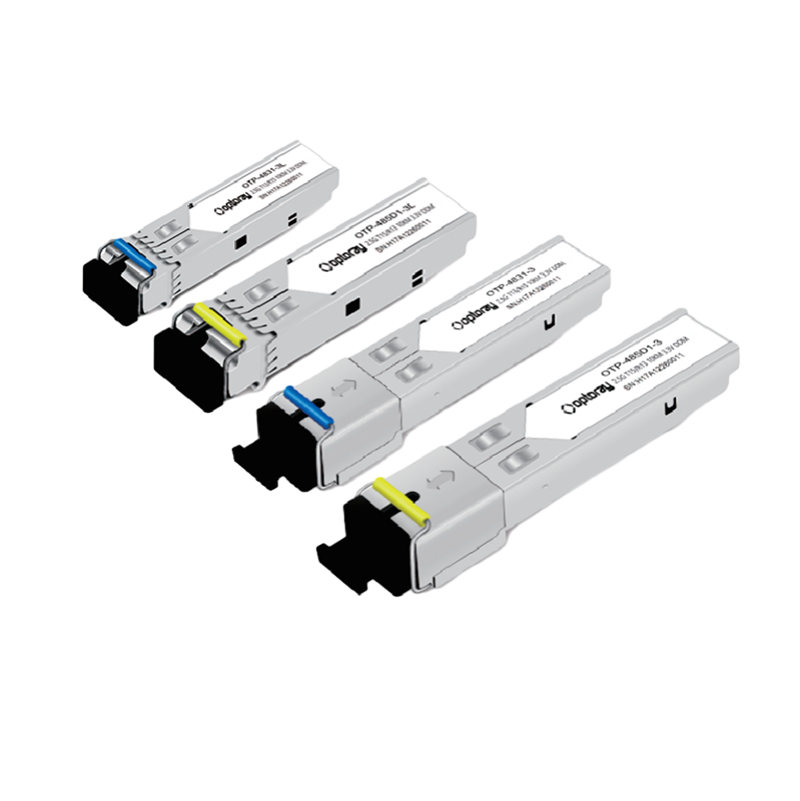
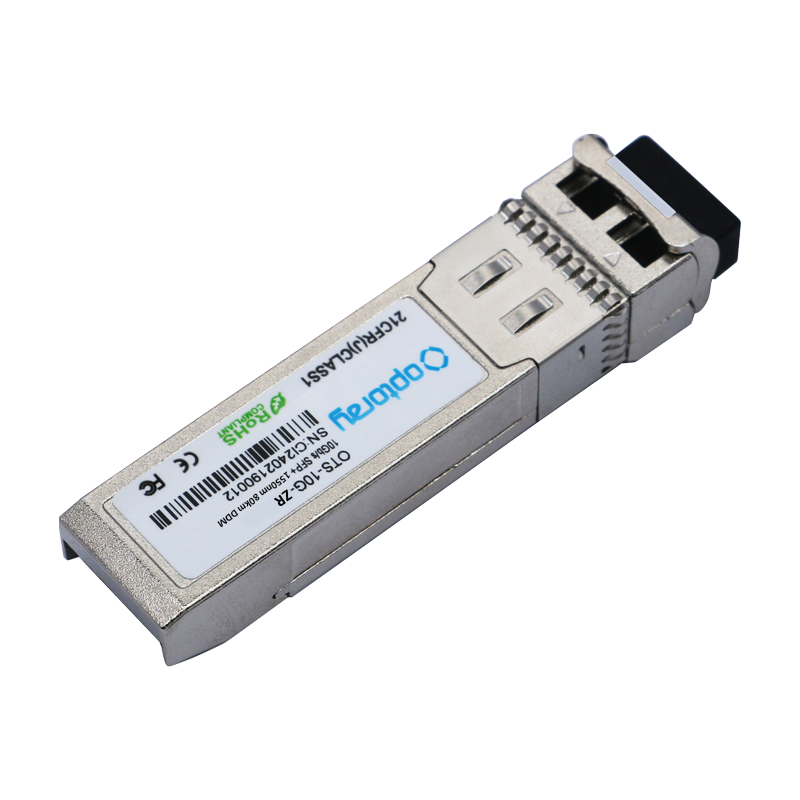
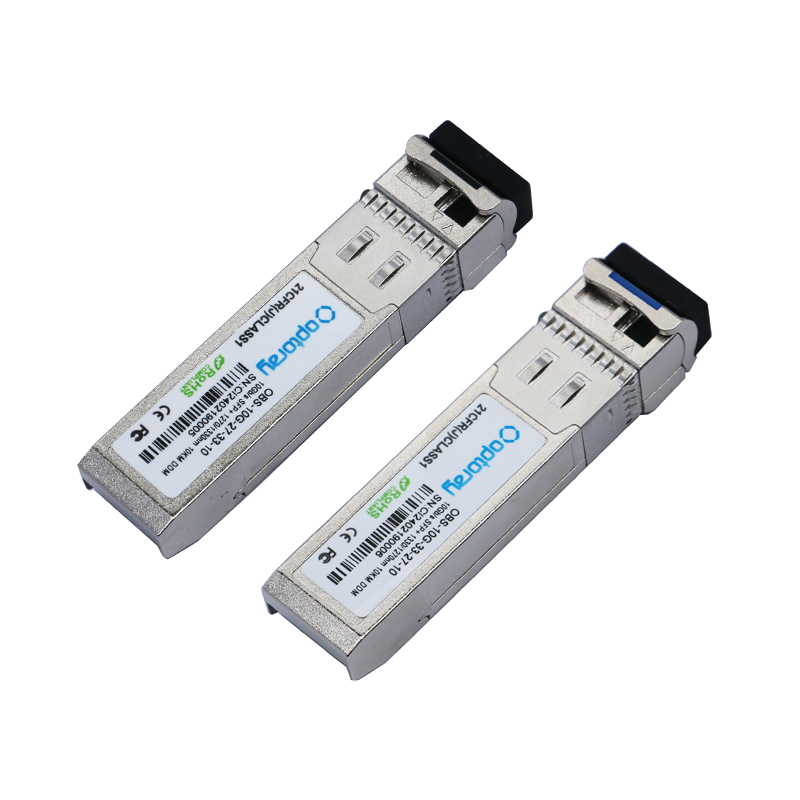
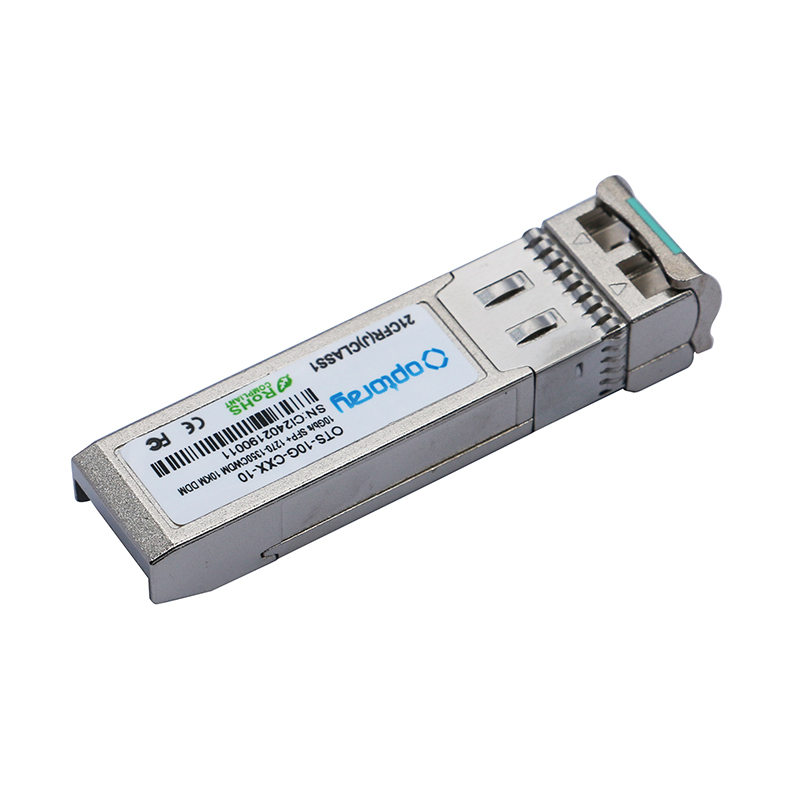
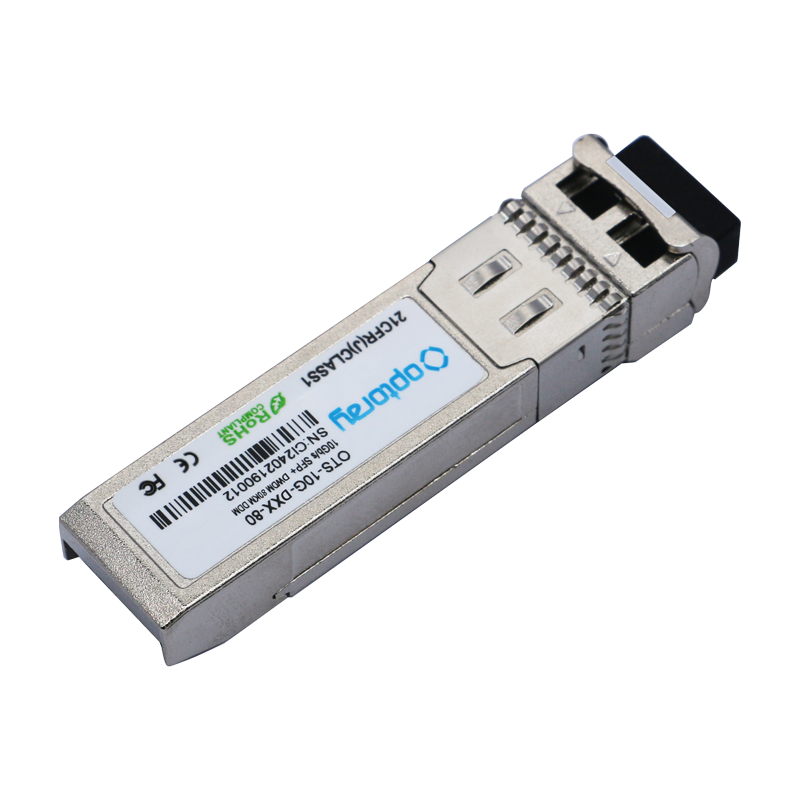
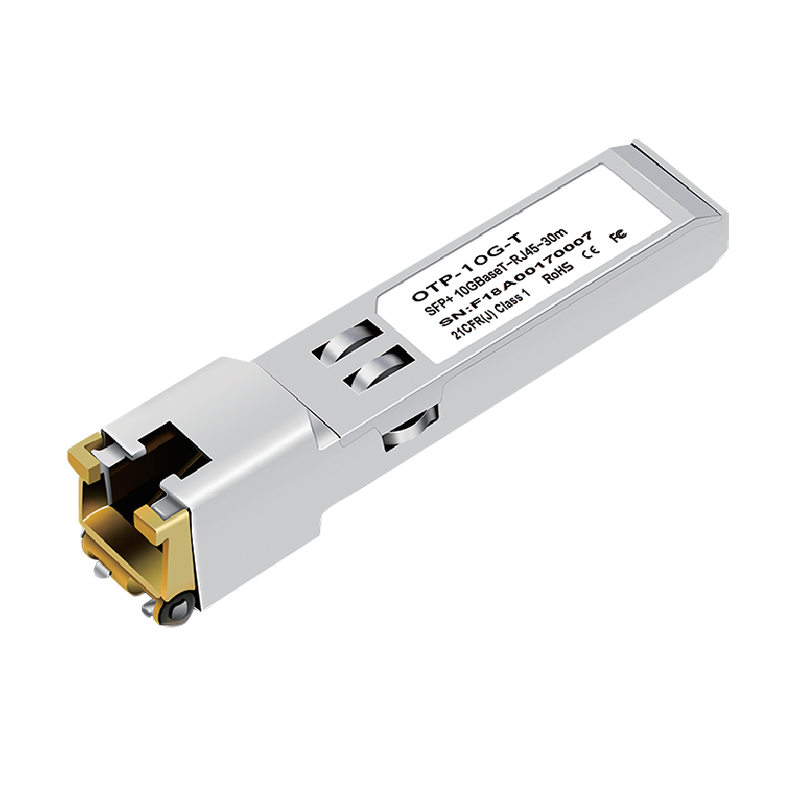
The SFP module is a compact, hot-swappable optical transceiver that enables high-speed data transmission over fiber-optic or copper cables. It is primarily used in network devices such as switches, routers, and servers to connect optical networks. SFP modules convert electrical signals into optical signals and vice versa, facilitating long-distance data communication.
The Working Principle of SFP Modules
- SFP modules operate by converting digital electrical signals into light signals for transmission over fiber-optic cables, and optical signals back to electrical signals at the receiver end.
- The conversion is based on the principle of electro-optical and opto-electrical conversion, allowing for data transfer rates ranging from 1Gbps to 10Gbps.
- Data transmission is based on protocols like Ethernet, Fiber Channel, or SONET, depending on the specific network requirement.
SFP vs. Other Transceiver Modules
When considering the SFP module, it's crucial to compare it with other types of transceivers, such as GBIC, XFP, and QSFP. Below is a comparison table highlighting their key differences:
| Feature | SFP | GBIC | XFP | QSFP |
|---|---|---|---|---|
| Size | Compact | Larger | Large | Very Large |
| Speed | 1-10 Gbps | 1 Gbps | 10 Gbps | 40 Gbps |
| Compatibility | Widely compatible | Older technology | Mostly high-speed links | Data center, high-capacity networks |
2. How to Choose the Right SFP Module?
Selecting the right SFP module depends on several factors, including network requirements, compatibility, and specific use cases. Below are the essential considerations:
Key Factors to Consider When Selecting SFP Modules
- Data Rate: Determine the required speed of the network. SFP modules are available in speeds ranging from 1Gbps to 10Gbps.
- Transmission Distance: Choose between single-mode or multi-mode fiber based on the required distance. Single-mode fiber is used for long-distance communication, while multi-mode is suitable for shorter distances.
- Device Compatibility: Ensure that the SFP module is compatible with your network equipment (switches, routers, etc.).
- Form Factor: Select an appropriate form factor based on your equipment's transceiver slot (e.g., SFP, SFP+).
How to Compare Different SFP Module Models?
- Review the technical specifications of each module, especially the supported data rate and distance.
- Check for interoperability with your networking devices, as not all SFP modules work seamlessly across different brands or models.
- Consider future scalability. Choose a module that can accommodate potential future upgrades in network speed or distance.
3. Applications and Advantages of SFP Modules
SFP modules are widely used in various network environments. Their compact size and flexibility make them suitable for diverse applications.
SFP Modules in Enterprise Networks
In enterprise networks, SFP modules are commonly used to establish high-speed, reliable connections between network devices, ensuring minimal data loss and low latency. They are used for:
- Connecting switches to routers and servers
- Enabling high-speed data transfer across corporate networks
- Supporting both fiber-optic and copper cable connections
SFP Modules in Data Centers
Data centers utilize SFP modules to handle the large volumes of data transfer required between servers, storage systems, and networking equipment. Their advantages include:
- Cost-effective high-speed connectivity
- Reduced power consumption compared to older transceiver types
- Easy maintenance and upgrades due to hot-swappable capabilities
Advantages of SFP Modules
- Compact Design: SFP modules are much smaller than traditional transceivers, saving valuable space in network equipment.
- Hot-Swapping: The ability to replace or upgrade without shutting down the network increases flexibility and minimizes downtime.
- Cost-Effective: SFP modules are generally more affordable than other transceiver modules, especially in scenarios requiring a large number of connections.
4. SFP Modules vs. Optical Modules: Key Differences
It is important to understand the distinction between SFP modules and other types of optical modules to make an informed decision about which to use in a given application.
Key Differences Between SFP and Optical Modules
| Feature | SFP Module | Other Optical Modules |
|---|---|---|
| Speed | 1-10 Gbps | Varies (up to 100 Gbps or higher) |
| Distance | Short to medium distance | Long distance (up to 100 km) |
| Compatibility | Widely compatible with various devices | Usually specific to high-speed or enterprise-level devices |
When to Choose an SFP Module
If your network requires high-speed data transmission within a short to medium distance, SFP modules are the ideal choice. They provide great flexibility and cost-efficiency for most modern networking environments.
5. Common SFP Module Issues and Troubleshooting Tips
Despite their reliability, SFP modules may experience issues that can disrupt network operations. Below are common problems and their solutions.
Common SFP Module Failures
- Signal Loss: Can be caused by poor fiber-optic connections or damaged cables.
- Data Rate Instability: May occur due to mismatched settings between devices or incompatible modules.
- Module Not Detected: Usually indicates improper insertion or faulty equipment.
Troubleshooting Steps
- Ensure the SFP module is correctly inserted and locked into place.
- Verify that the fiber-optic cables are not damaged and are properly connected.
- Check that all network equipment supports the specific SFP module being used.
Preventive Maintenance
- Regularly inspect the SFP module and connected cables for wear and tear.
- Clean the module’s optical interface periodically to avoid signal degradation.
Conclusion
The SFP module is an essential component for modern high-speed data transmission in enterprise and data center networks. Understanding how to choose the right module, its applications, and how to troubleshoot common issues is crucial for network engineers and IT professionals.
FAQ
1. What is the difference between SFP and SFP+ modules?
The key difference is the data transfer rate. SFP+ supports higher speeds, typically up to 10 Gbps, while SFP modules are generally used for speeds up to 1 Gbps.
2. Can I use SFP modules for both fiber and copper connections?
Yes, SFP modules are versatile and can be used for both fiber-optic and copper connections. However, you need to choose the appropriate module based on the required connection type (e.g., SFP for copper or fiber).
3. How do I choose between single-mode and multi-mode SFP modules?
The decision between single-mode and multi-mode SFP modules depends on the required distance. Single-mode SFP modules are used for longer distances (up to 100 km), while multi-mode modules are suitable for shorter distances (up to 2 km).
4. What is the maximum distance supported by SFP modules?
The maximum distance depends on the type of fiber used. For single-mode fiber, SFP modules can support distances up to 100 km, while multi-mode fiber typically supports distances up to 2 km.
5. Are SFP modules hot-swappable?
Yes, SFP modules are hot-swappable, meaning they can be inserted or removed without shutting down the network equipment, making them very convenient for maintenance and upgrades.



Mobile Web
Quick Links
Products
Get in Touch
-
 Phone: +86-186 5596 6697
-
 E-mail: [email protected]
-
 Add:No.4 PiYun Road, Huangshan Economic Development Zone, Huangshan City, Anhui Province, China.
Copyright © Huangshan Optoray Communication Corp., Ltd. All rights reserved.
China SFP Transceiver Module Manufacturers


