


 English
 русский
+86-0559-5290604
SFP vs SFP+ vs SFP28: What Is the Difference and Which Do You Need?
Network engineers expanding or upgrading their infrastructure regularly encounter three closely related transceiver form factors — SFP, SFP+, and SFP28 — that look nearly identical but operate at different speeds and are not always interchangeable. Using the wrong module wastes budget, causes compatibility errors, or leaves bandwidth headroom on the table that your switch already supports.
This guide explains the technical differences between SFP, SFP+, and SFP28, covers where each one is deployed, clarifies backward compatibility, and helps procurement teams specify the right module before placing a wholesale order.
What Is SFP?
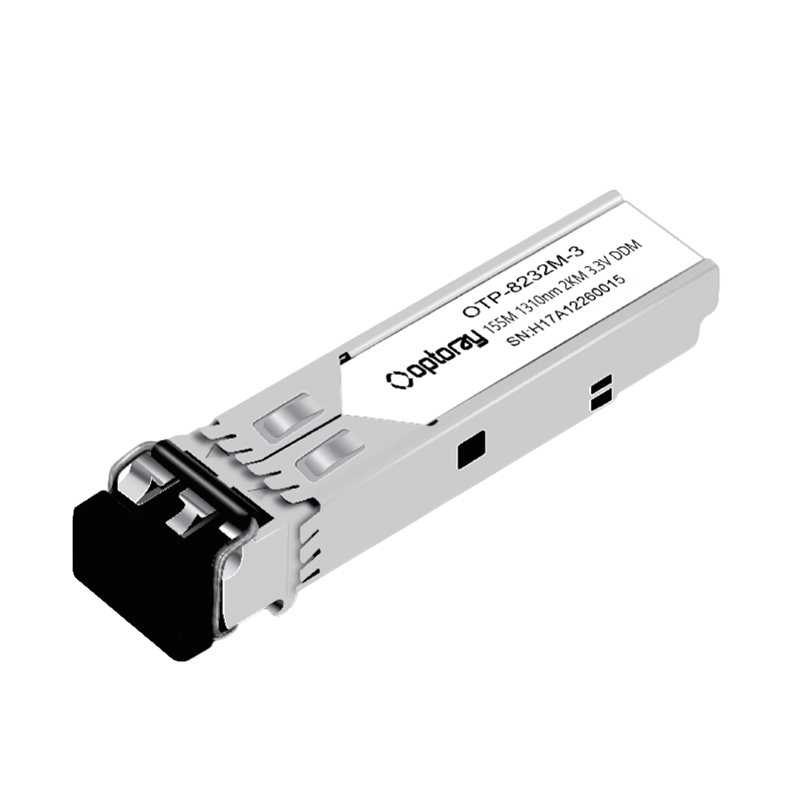
The original SFP (Small Form-factor Pluggable) transceiver supports data rates up to 1.25 Gbps and is the standard module for Gigabit Ethernet (1GbE) connections. It uses a single optical lane and connects via LC duplex fiber connectors (for optical variants) or RJ-45 connectors (for copper SFP variants).
SFP transceivers are defined by the SFP Multi-Source Agreement (MSA), which specifies physical dimensions, electrical interface, and EEPROM data structure — ensuring that modules from different manufacturers are physically interchangeable in compatible ports.
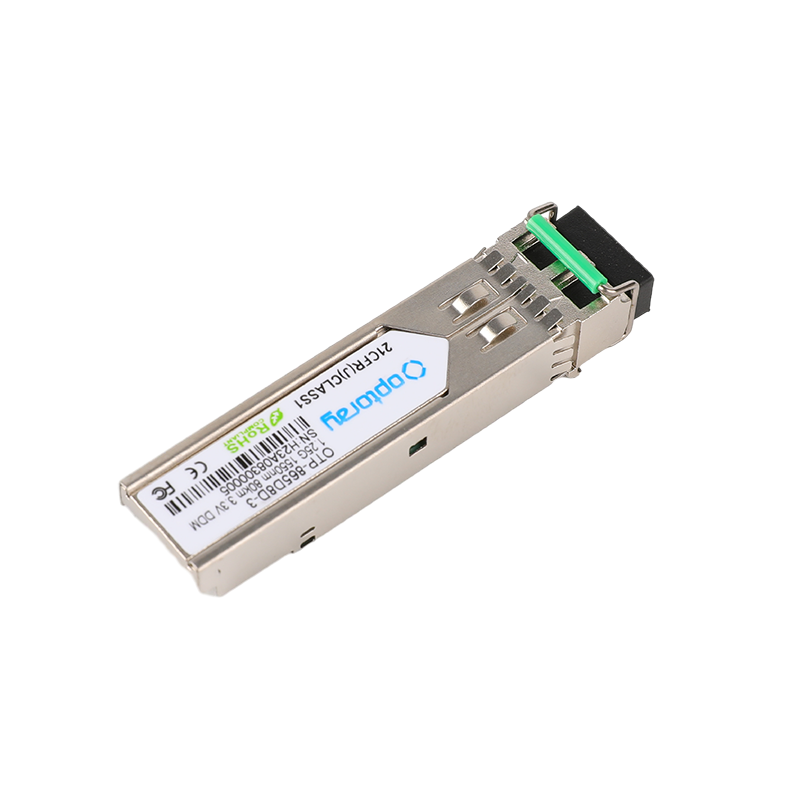
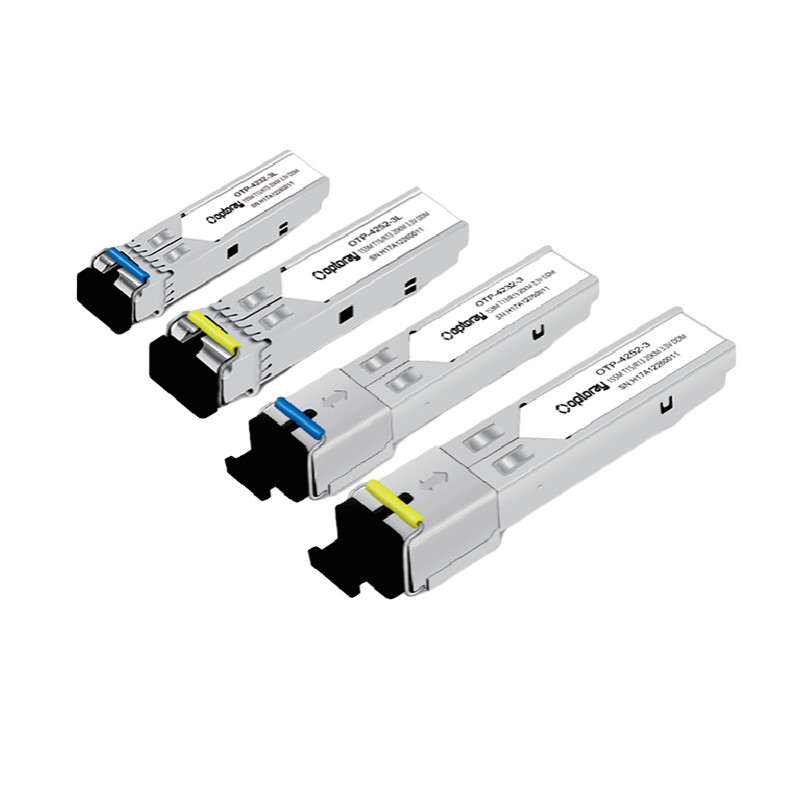
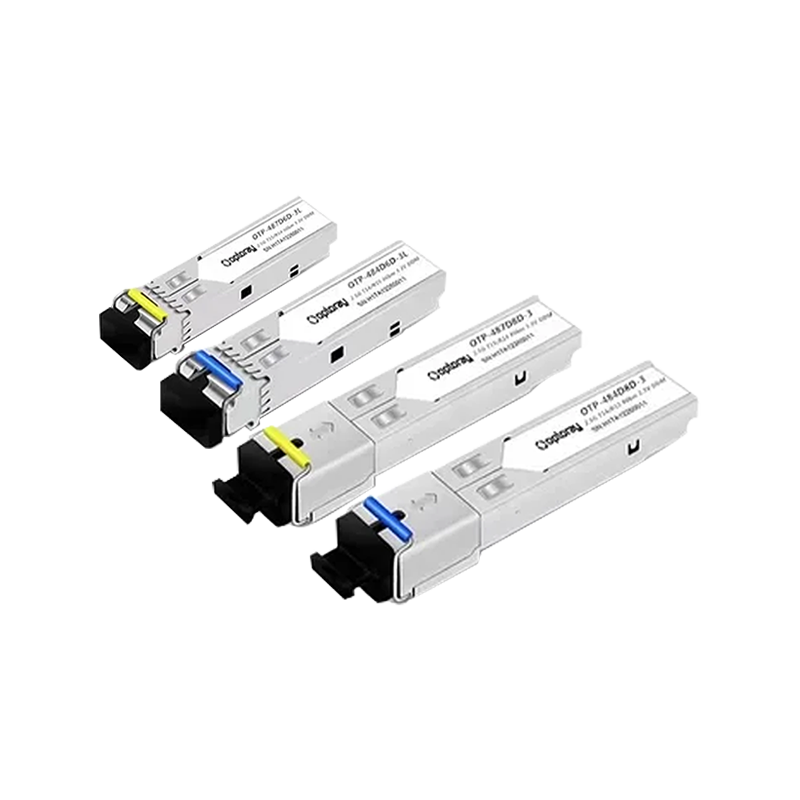
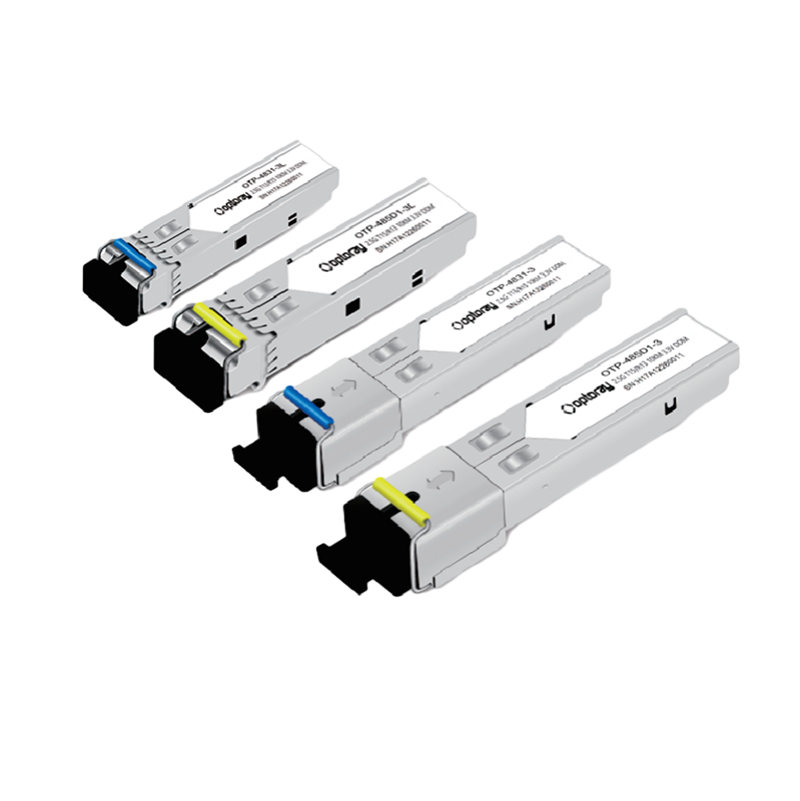
Standard SFP variants include SX (multimode, 550m), LX (single-mode, 10km), ZX (single-mode, 80km), BiDi (single fiber, 10–80km), CWDM, and copper (RJ-45). SFP is still widely deployed in access layer switches, enterprise edge devices, and legacy equipment that requires 1G connectivity.
What Is SFP+?
SFP+ (Enhanced Small Form-factor Pluggable) is an upgraded version of the SFP standard that supports data rates up to 10 Gbps. The physical form factor is identical to SFP — the same size, the same LC or RJ-45 connector interface — but the electrical interface is upgraded to support 10G signaling. SFP+ is defined by the SFF-8431 standard.
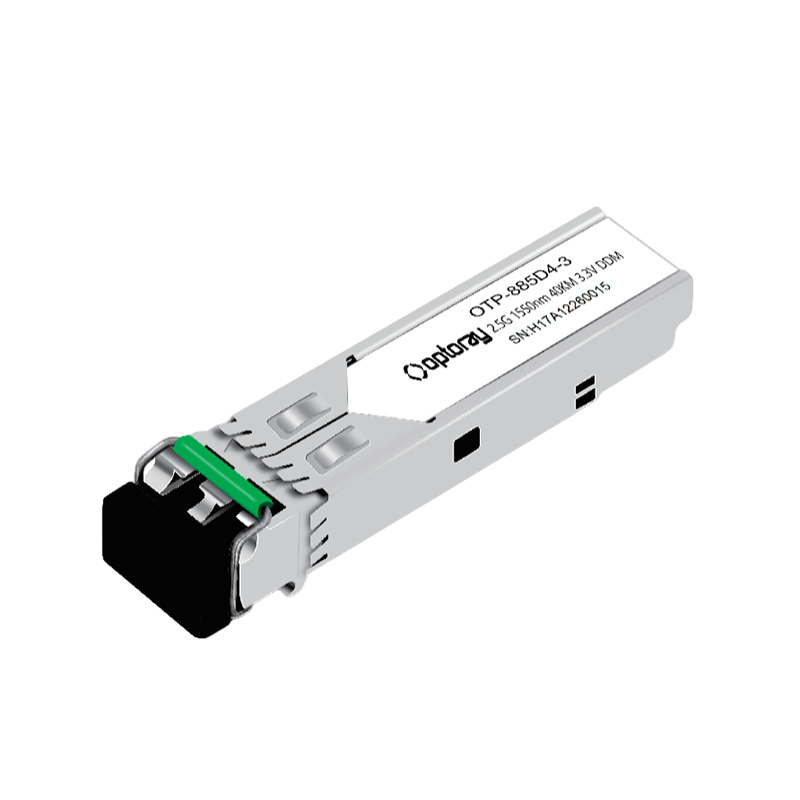
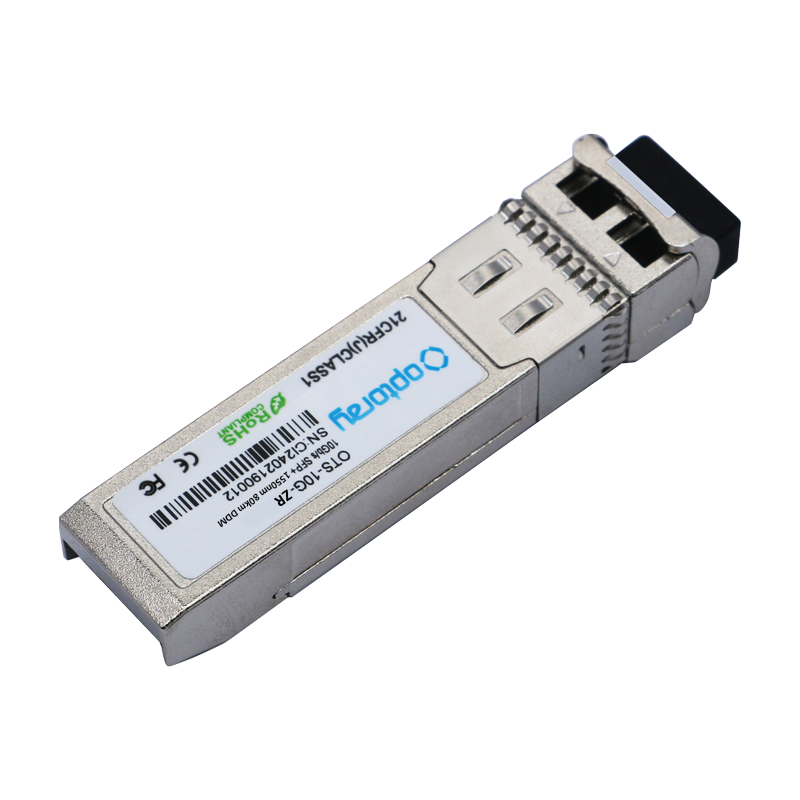
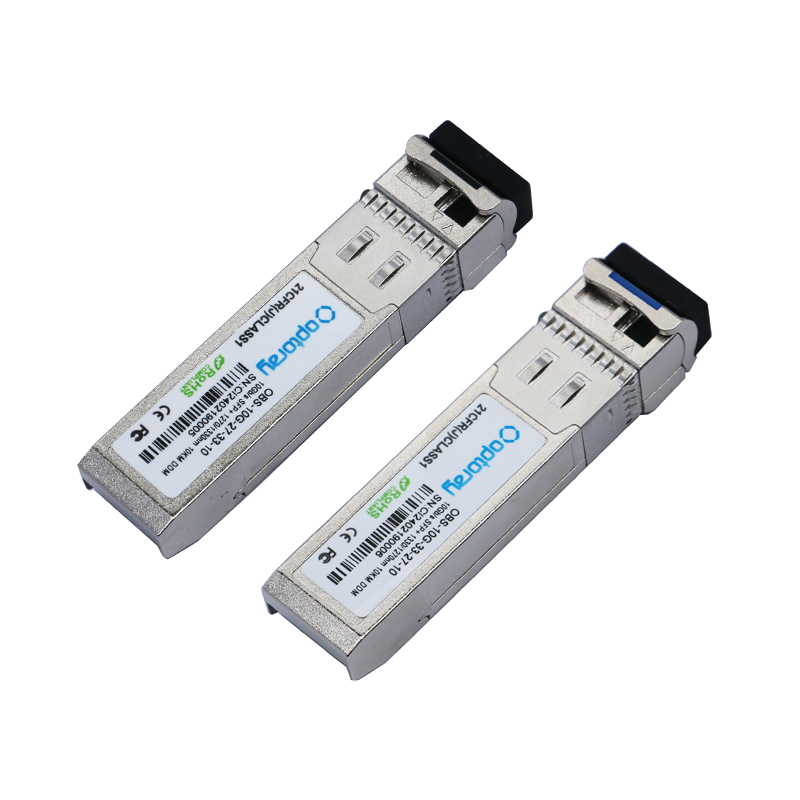
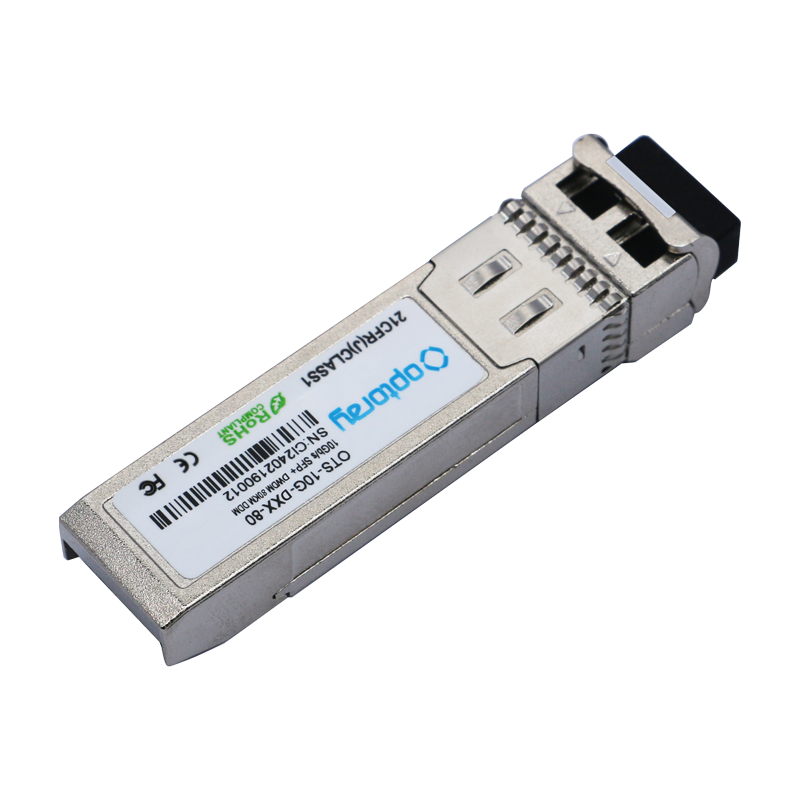
SFP+ is the dominant transceiver format for 10GbE server connections, top-of-rack switch uplinks, and storage area network (SAN) connections. Standard SFP+ variants include SR (multimode, 300m), LR (single-mode, 10km), ER (single-mode, 40km), ZR (single-mode, 80km), BiDi, CWDM, and DAC/AOC cable assemblies.
Because SFP+ uses the same physical housing as SFP, most SFP+ ports can accept 1G SFP modules for backward compatibility — though the reverse is not supported.
What Is SFP28?
SFP28 (Small Form-factor Pluggable 28) supports data rates up to 25 Gbps per lane and is the standard transceiver for 25GbE server connections and 25G spine-to-leaf connections in modern data center fabrics. The "28" designation refers to the 25G electrical signaling standard (IEEE 802.3by).
Like SFP and SFP+, the SFP28 form factor uses the same physical housing dimensions, and SFP28 ports on most switches can accept SFP+ (10G) modules for backward compatibility. Standard SFP28 variants include SR (multimode, 100m), LR (single-mode, 10km), ER (single-mode, 40km), and BiDi (single fiber, 10km).
SFP28 is the preferred choice for new data center deployments connecting servers at 25G, offering a 2.5x bandwidth increase over 10G SFP+ with the same physical port density and fiber infrastructure.
SFP vs SFP+ vs SFP28: Direct Comparison
| Parameter | SFP | SFP+ | SFP28 |
|---|---|---|---|
| Data Rate | Up to 1.25 Gbps | Up to 10 Gbps | Up to 25 Gbps |
| Physical Size | Same | Same | Same |
| Connector | LC duplex or RJ-45 | LC duplex or RJ-45 | LC duplex |
| Electrical Standard | SFP MSA | SFF-8431 | IEEE 802.3by |
| Typical Power | 0.5 – 1.0W | 1.0 – 1.5W | 1.0 – 1.5W |
| Main Application | Access layer, 1GbE | Server uplinks, 10GbE | Server NIC, 25GbE spine-leaf |
| Backward Compatible | Into SFP+ ports (1G) | Into SFP28 ports (10G) | — |
Backward Compatibility: Can SFP Modules Be Used in SFP+ or SFP28 Ports?
This is one of the most common questions network engineers ask when mixing transceiver speeds in a deployment. The compatibility rules are straightforward but important to understand before ordering modules.
SFP in SFP+ Ports
Most SFP+ ports are backward compatible with 1G SFP modules. The switch detects the SFP module through the EEPROM identifier and automatically configures the port for 1G operation. This allows network engineers to use existing 1G SFP modules in new 10G SFP+ switches without replacing transceivers immediately. Always verify backward compatibility for the specific switch model in the vendor's documentation before deployment.
SFP in SFP28 Ports
Most SFP28 ports are backward compatible with both 10G SFP+ and 1G SFP modules. A single SFP28 port can operate at 25G, 10G, or 1G, depending on the module installed. This makes SFP28 ports highly flexible for mixed-speed deployments.
SFP+ in SFP Ports
An SFP+ module cannot be used in an original SFP port. The 10G electrical signaling of SFP+ exceeds what the SFP port's electrical interface supports. Attempting to install an SFP+ module in an SFP port will either result in the module not being recognized or operating at 1G with reduced performance.
Choosing Between SFP, SFP+, and SFP28 for New Deployments
For any new network deployment, the choice between SFP, SFP+, and SFP28 should be driven by the current and planned bandwidth requirements of each connection, not by module cost alone.
Choose SFP (1G) When:
- Connecting devices that only support 1GbE — legacy servers, access switches, IP cameras, and network-attached storage with 1G interfaces
- Adding uplinks to access layer switches in low-bandwidth branch or remote office environments
- Cost per port is the dominant constraint, and 1G is demonstrably sufficient for the traffic load
Choose SFP+ (10G) When:
- Connecting servers with 10GbE network interface cards in enterprise or mid-size data center environments
- Upgrading access layer switches from 1G to 10G uplinks in high-density office environments
- Deploying storage area network connections for 8G or 16G Fibre Channel over dedicated SAN infrastructure
- Budget constraints make 25G SFP28 ports cost-prohibitive, and 10G is adequate for current and near-term traffic requirements
Choose SFP28 (25G) When:
- Deploying new data center server connections where 25G server NICs are standard in the hardware specification
- Building a new leaf-spine fabric where 25G server access links provide headroom for traffic growth
- Replacing existing 10G infrastructure where bandwidth utilization is consistently above 60% and growth projections justify the upgrade
- The switch platform already includes SFP28 ports — there is no cost penalty for using 25G over 10G on the same physical port
CWDM and BiDi SFP, SFP+, and SFP28 Options
Beyond standard SR and LR variants, all three SFP form factors are available in wavelength-division multiplexing configurations that extend reach or reduce fiber count.
BiDi Transceivers
BiDi (Bidirectional) transceivers transmit and receive on different wavelengths over a single fiber strand, halving the fiber count compared to standard duplex transceivers. BiDi SFP, SFP+, and SFP28 modules are used in pairs — one module transmits on the wavelength, the other receives, and vice versa. They are particularly valuable in deployments where fiber count is constrained or where existing single-fiber infrastructure must be reused.
CWDM Transceivers
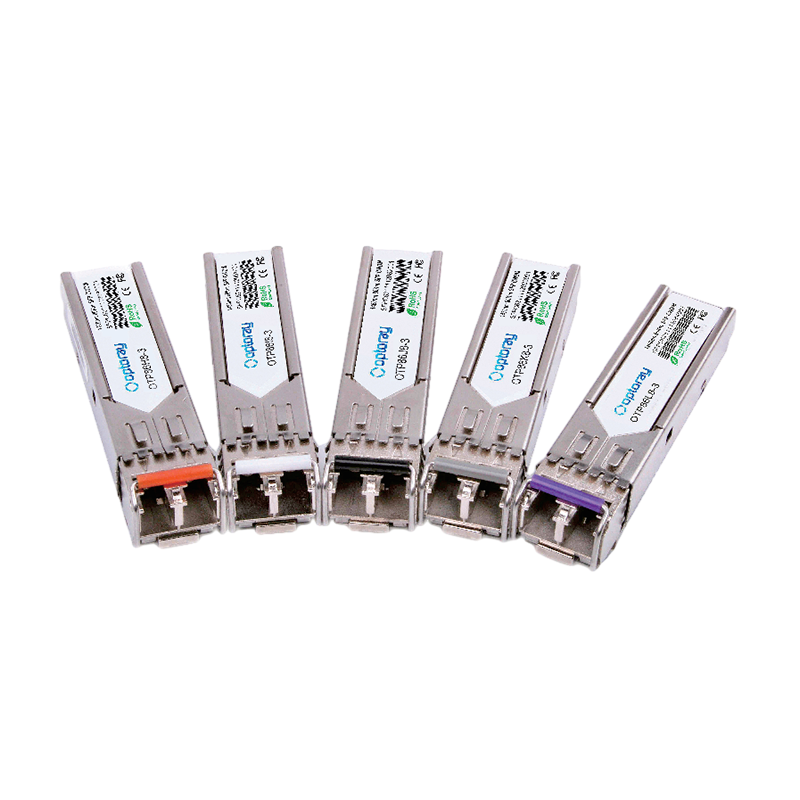
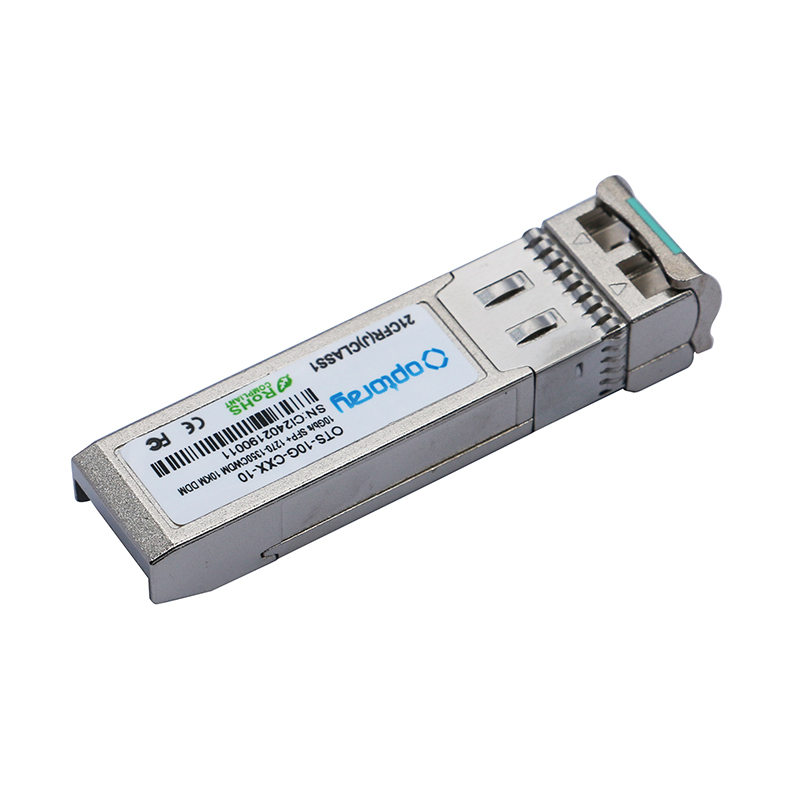
CWDM (Coarse Wavelength Division Multiplexing) SFP and SFP+ transceivers use defined wavelengths (1270nm to 1610nm in 20nm steps) that allow multiple CWDM channels to be multiplexed onto a single fiber pair using passive CWDM MUX/DEMUX equipment. CWDM SFP modules are commonly used to increase the effective capacity of existing fiber infrastructure in metro and campus networks.
Frequently Asked Questions (FAQ)
Q: Are SFP, SFP+, and SFP28 modules physically interchangeable in the same port?
A: SFP, SFP+, and SFP28 share the same physical form factor and are physically interchangeable — the modules will fit in any of the three port types. However, electrical compatibility depends on the port type: SFP28 ports accept all three at their respective speeds. SFP+ ports accept SFP (at 1G) and SFP+ (at 10G) but not SFP28 at 25G. Original SFP ports accept only SFP modules.
Q: What is a Copper SFP, and when is it used?
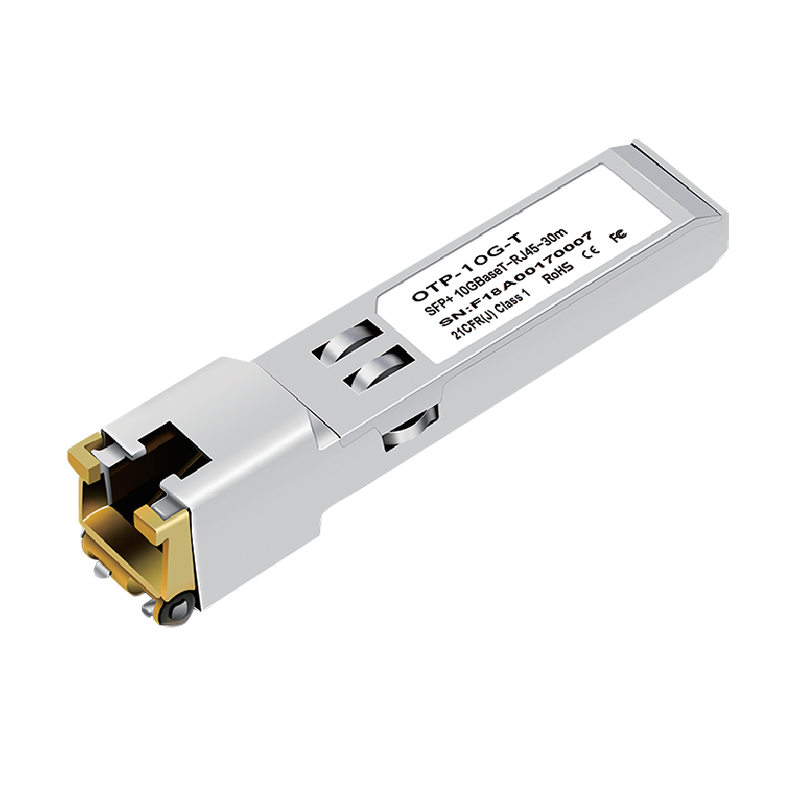
A: A Copper SFP (also called SFP-T or RJ-45 SFP) uses a copper RJ-45 connector instead of an optical fiber connector, allowing a fiber switch with SFP ports to connect to devices over standard Cat5e or Cat6 copper Ethernet cable up to 100 meters. Copper SFP modules are useful for connecting devices that only have copper RJ-45 ports to a switch that only has optical SFP ports, eliminating the need for a media converter.
Q: What is the maximum reach of a 25G SFP28 LR transceiver?
A: The standard 25G SFP28 LR transceiver supports a maximum reach of 10 kilometers over OS2 single-mode fiber. For longer reaches, 25G SFP28 ER transceivers support up to 40 kilometers. BiDi SFP28 variants are available for 10 km single-fiber applications. Always verify reach specifications with the manufacturer, as actual reach depends on fiber quality, connector loss, and splice count in the specific fiber plant.
Q: Can third-party SFP, SFP+, and SFP28 modules work in Cisco switches without CLI commands?
A: Third-party SFP, SFP+, and SFP28 modules with correct Cisco-compatible EEPROM coding are plug-and-play compatible in most Cisco switch platforms without CLI configuration. Some older Cisco IOS versions display a compatibility warning message but still allow the module to operate. Reputable third-party manufacturers maintain current Cisco EEPROM coding profiles and can confirm compatibility for specific switch models and IOS version combinations before purchase.
Q: What is the minimum order quantity for wholesale SFP+ and SFP28 transceivers from a Chinese manufacturer?
A: Most established SFP+ and SFP28 transceiver manufacturers in China accept wholesale orders from 10 to 50 pieces per model for standard variants in stock. For custom EEPROM coding, OEM labeling, or non-standard specifications, minimum order quantities are typically 100 pieces or more. Sample orders of 1 to 5 pieces per model are generally available for compatibility evaluation before bulk commitment.
Source SFP, SFP+, and SFP28 Transceivers from Optoray
Huangshan Optoray Communication Corp., Ltd. manufactures the complete range of SFP, SFP+, and SFP28 optical transceivers — including SR, LR, ER, BiDi, CWDM, and Copper variants — at its production facility in Huangshan, Anhui Province, China. Founded in 2007 and listed on the national SME share transfer system since 2017, Optoray has an annual production capacity of over 3 million units and supplies network equipment manufacturers, data center operators, and distributors in Europe, America, Korea, and Southeast Asia.
All major platform EEPROM coding is supported. OEM and custom labeling services are available. Contact us through fiberay.com for samples, compatibility confirmation, and wholesale pricing.
Related Products: 1.25G SFP Optical Transceiver | 10G SFP+ Optical Transceiver | 25G SFP28 Optical Transceiver | BiDi SFP Transceiver | Copper SFP Transceiver



Mobile Web
Quick Links
Products
Get in Touch
-
 Phone: +86-186 5596 6697
-
 E-mail: [email protected]
-
 Add:No.4 PiYun Road, Huangshan Economic Development Zone, Huangshan City, Anhui Province, China.
Copyright © Huangshan Optoray Communication Corp., Ltd. All rights reserved.
China SFP Transceiver Module Manufacturers


