


 English
 русский
+86-0559-5290604
Why Choose SFP28 25G LR 10km For Data Center Network Construction?
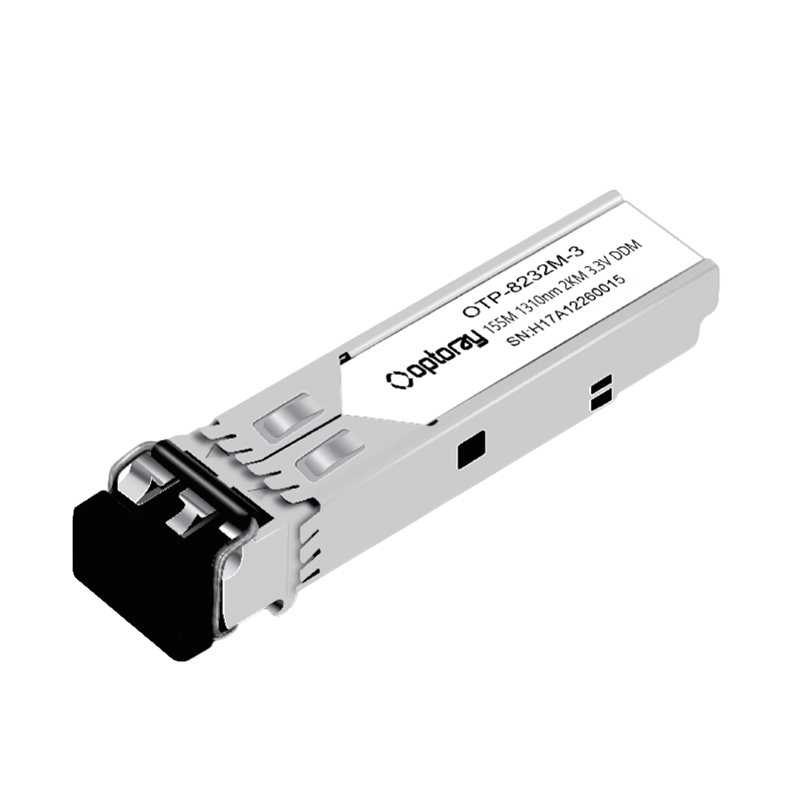
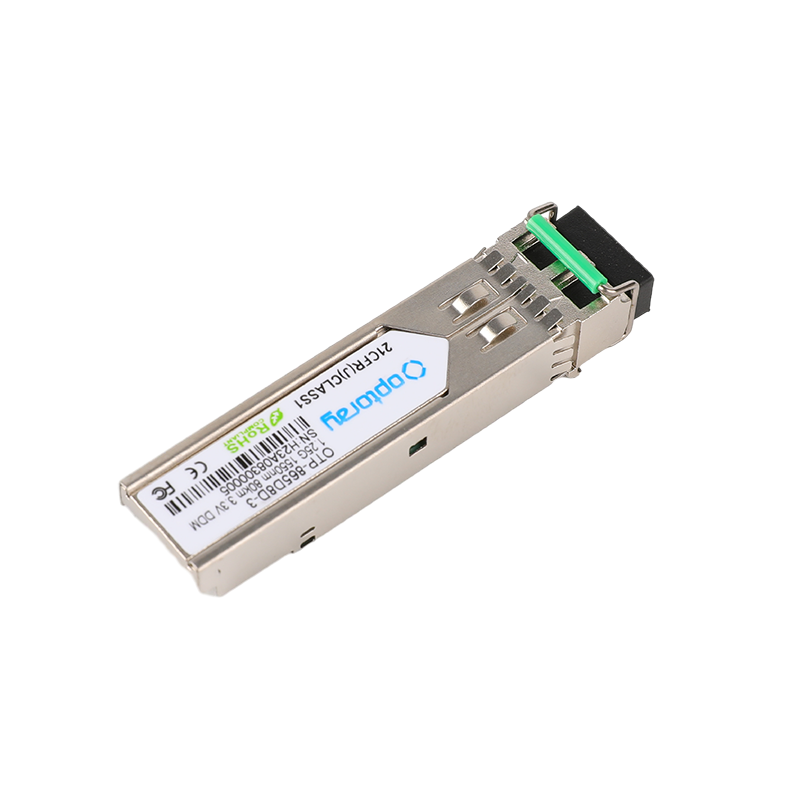
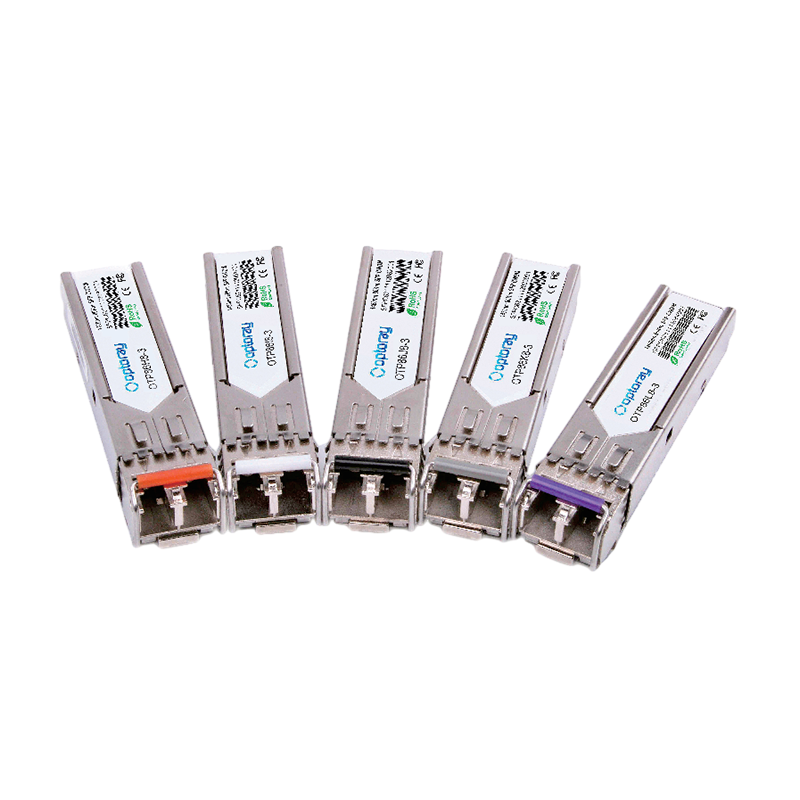
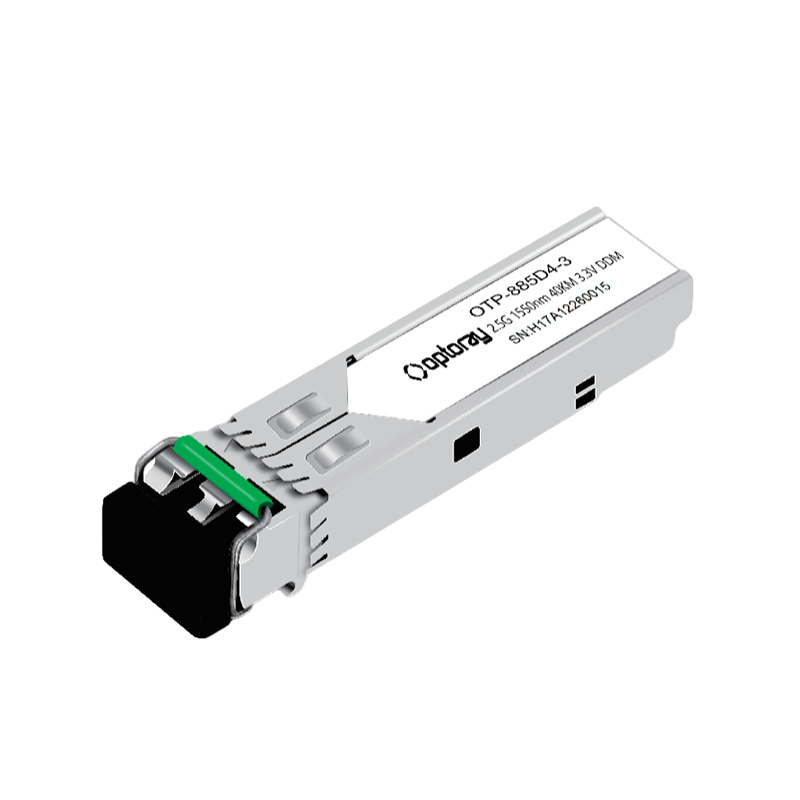
The SFP28 25G LR 10km optical transceiver is a standardized, high-performance optical module designed for 25 Gigabit Ethernet data transmission over single-mode fiber, with a reliable transmission distance of 10 kilometers. It serves as a critical bridging component between high-speed network devices and long-distance optical fiber links, widely deployed in data centers, enterprise backbones, and metropolitan area networks to fulfill high-bandwidth, long-distance connectivity demands. Its compact form factor, low power consumption, and stable transmission performance make it the preferred choice for upgrading and expanding 25G network links.
This transceiver fully complies with industry-standard protocols, ensuring seamless compatibility with mainstream network switches, routers, servers, and network interface cards. It adopts long-reach (LR) optical transmission technology, using 1310nm wavelength single-mode optical signals to achieve stable and low-loss transmission over long distances, effectively solving the bandwidth bottleneck of traditional copper cables and short-distance optical modules in medium and long-distance network connections.
Basic Definition and Core Characteristics
What is SFP28 25G LR 10km
SFP28 represents the Small Form-factor Pluggable 28-pin compact optical module specification, tailored for 25Gbps high-speed data transmission. 25G refers to the 25 Gigabit per second transmission rate, which is five times faster than standard Gigabit Ethernet and meets the high-bandwidth requirements of modern network services. LR stands for Long Reach, representing the long-distance transmission type of optical modules, and 10km defines the maximum reliable transmission distance of the module.
Unlike short-distance (SR) optical modules that rely on multi-mode fiber and only support transmission within hundreds of meters, the SFP28 25G LR 10km module uses single-mode fiber and 1310nm wavelength lasers, enabling stable signal transmission in longer optical links. This design makes it suitable for scenarios where equipment is distributed across different buildings, floors, or urban areas.
Key Performance Characteristics
- Compact SFP28 package, saving cabinet space and improving network equipment port density
- Hot-pluggable design, supporting online replacement and maintenance without shutting down the entire system
- Low power consumption design, reducing the overall energy cost of data centers and network equipment rooms
- Strong anti-electromagnetic interference capability, maintaining stable signal transmission in complex electromagnetic environments
- Wide operating temperature range, adapting to both standard equipment rooms and harsh industrial environments
Transmission Principle and Technical Parameters
Optical Transmission Working Principle
The SFP28 25G LR 10km transceiver completes data transmission through the conversion between electrical signals and optical signals. At the transmitting end, the module converts high-speed electrical signals from network devices into modulated optical signals using a laser transmitter, which are then transmitted to the remote end via single-mode fiber. At the receiving end, the optical receiver converts the received optical signals back into electrical signals and transmits them to the receiving device, realizing full-duplex data transmission.
The 1310nm wavelength used by the module is a commonly used optical communication wavelength, featuring low transmission loss and low dispersion in single-mode fiber. These characteristics ensure that optical signals do not experience severe attenuation or distortion within the 10km transmission distance, guaranteeing the integrity and accuracy of data transmission.
Core Technical Parameter Table
| Parameter Item | Standard Value |
|---|---|
| Transmission Rate | 25Gbps |
| Transmission Distance | 10km |
| Working Wavelength | 1310nm |
| Fiber Type | Single-mode Fiber |
| Connector Type | LC Duplex |
Main Application Scenarios
Data Center Interconnection
In large-scale data centers, the SFP28 25G LR 10km transceiver is primarily used for interconnection between different data center buildings and between core and aggregation layers. Data centers often have distributed equipment rooms with distances ranging from hundreds of meters to several kilometers, and traditional copper cables cannot meet long-distance high-speed transmission needs. This optical module provides stable 25G high-bandwidth links, supporting real-time transmission of massive data such as cloud computing, virtualization, and big data services.
With the rapid development of cloud services, data centers have higher requirements for internal transmission bandwidth and distance. The SFP28 25G LR 10km module balances performance and cost, making it an ideal choice for data center 25G network upgrades. It can be directly deployed on existing single-mode fiber infrastructure, reducing the cost of network transformation and shortening the construction cycle.
Enterprise and Campus Network Backbone
Large enterprises, universities, and industrial parks have multiple office buildings, laboratories, and production workshops distributed across a wide range. The SFP28 25G LR 10km transceiver builds a high-speed backbone network between these buildings, connecting core switches of each building to achieve unified network management and resource sharing.
Compared with lower-rate modules, 25G transmission speed supports high-definition video conferencing, remote office, intelligent terminal access, and other services, ensuring smooth operation of enterprise daily office and business systems. Its 10km transmission distance covers most campus and park areas, eliminating the need for relay equipment and reducing network failure points and maintenance costs.
Metropolitan Area Network and Access Network
In metropolitan area networks, this optical module is used for connections between central offices and edge nodes, providing high-speed backhaul for 5G base stations, broadband access, and IPTV services. The 10km transmission distance matches the coverage radius of urban network nodes, and the 25G bandwidth meets the high-capacity transmission requirements of 5G and other new services.
In the access network layer, the module helps operators achieve fiber-to-the-building and fiber-to-the-home upgrades, providing users with higher-speed broadband access services. Its stable performance and long service life reduce the frequency of on-site maintenance by operators, improving the overall operational efficiency of the network.
Compatibility and Interoperability
SFP28 25G LR 10km transceivers follow unified international industry standards, meaning they have good universal compatibility and can work normally with network equipment from different manufacturers. This compatibility eliminates the problem of equipment interconnection barriers and allows users to flexibly select matching network devices and optical modules according to their needs.
The module is compatible with mainstream network operating systems and can be automatically identified and configured by switches, routers, and servers without manual driver installation. It supports digital diagnostic monitoring (DDM) function, allowing real-time monitoring of the module's operating status, including optical power, temperature, and voltage, helping network administrators quickly locate and solve faults.
In terms of rate adaptation, the module is designed for fixed 25G transmission and is not compatible with lower-rate 10G or higher-rate 100G ports. When deploying, users need to ensure that the equipment ports support 25G SFP28 specifications to achieve normal matching and operation. This fixed-rate design optimizes the module's performance and reduces unnecessary functional redundancy, lowering the overall cost of use.
Installation, Maintenance, and Best Practices
Standard Installation Steps
- Check the equipment port and module model to confirm they match the 25G SFP28 specification
- Remove the dust cap from the module and optical fiber connector, keeping the optical port clean
- Align the module with the equipment port and gently insert it until it locks into place
- Connect the LC duplex single-mode fiber to the module and the remote end device
- Check the device port indicator and log to confirm the module is working properly
Daily Maintenance and Fault Handling
Daily maintenance focuses on keeping the optical port clean and avoiding dust and oil contamination, which are the main causes of increased optical power attenuation and link instability. When not in use, install dust caps on the module and fiber connectors to prevent dust entry. Regularly check the DDM data of the module, and replace the module in time if abnormal temperature, voltage, or optical power is found.
Common faults include link disconnection and low bandwidth. First, check whether the module and optical fiber are firmly connected, then verify the fiber type and transmission distance to ensure they meet the module's requirements. If the fault persists, replace the module or optical fiber for testing. Thanks to the hot-pluggable design, module replacement can be completed without shutting down the device, minimizing the impact on business continuity.
Deployment Best Practices
When deploying SFP28 25G LR 10km modules, use qualified single-mode fiber to ensure transmission performance. Reserve redundant optical fibers during wiring to facilitate later fault replacement and network expansion. Reasonably plan the equipment layout to keep the actual transmission distance within the 10km standard range, avoiding signal attenuation caused by excessive distance.
In equipment rooms with high density, ensure good ventilation and heat dissipation to maintain the module's operating temperature within the normal range, extending its service life. Establish a complete network monitoring system to track the operating status of optical modules in real time, proactively handling potential faults and improving network stability and reliability.
Advantages Over Other Optical Modules
Compared with 10G SFP+ LR optical modules, the SFP28 25G LR 10km module provides 2.5 times the transmission bandwidth with the same transmission distance and similar form factor, greatly improving network transmission efficiency while meeting the growing demand for high-bandwidth services. It is the preferred choice for 10G network upgrades to 25G.
Compared with 25G SR short-distance optical modules, the biggest advantage of the LR module is its 10km long transmission distance, while SR modules only support transmission within hundreds of meters. The LR module uses single-mode fiber, which has lower loss and stronger anti-interference ability, making it suitable for outdoor and long-distance indoor links, expanding the application scope of 25G networks.
Compared with 100G QSFP28 optical modules, the SFP28 25G module has a lower cost and lower power consumption, and is more suitable for medium-bandwidth, long-distance scenarios. 100G modules are often used for core ultra-high-speed links, while 25G modules are used for aggregation and access layers, forming a hierarchical network structure that optimizes network construction and operation costs.
Market Value and Future Development
The SFP28 25G LR 10km optical transceiver occupies an important position in the global high-speed optical module market. With the large-scale deployment of 5G networks, cloud computing, and big data, the demand for medium and long-distance high-speed optical interconnection is growing rapidly. The module balances performance, cost, and power consumption, making it widely recognized in the market.
In terms of future development, this module will continue to serve as a core component of 25G networks for a long time. As network technology evolves, it will be optimized in terms of power consumption, volume, and transmission performance, further improving its adaptability to complex environments. At the same time, its standardized design ensures that it can be smoothly interconnected with next-generation network equipment, protecting user investment and avoiding repeated construction costs.
For network construction, the SFP28 25G LR 10km module is a cost-effective long-term solution. It meets current high-bandwidth needs and adapts to future network development trends, making it an indispensable key component in building efficient, stable, and scalable modern optical communication networks.



Mobile Web
Quick Links
Products
Get in Touch
-
 Phone: +86-186 5596 6697
-
 E-mail: [email protected]
-
 Add:No.4 PiYun Road, Huangshan Economic Development Zone, Huangshan City, Anhui Province, China.
Copyright © Huangshan Optoray Communication Corp., Ltd. All rights reserved.
China SFP Transceiver Module Manufacturers


