


 English
 русский
+86-0559-5290604
What are the advantages of optical transceivers in different application scenarios?
In modern optical communication systems, optical transceivers play an irreplaceable role. They are not only the bridge between optical and electrical signals, but also core components that ensure high-speed data transmission and network stability. With the continuous advancement of optical communication technology, the performance and reliability of optical transceivers directly affect the efficiency and experience of the entire communication network.
Working Principle of Optical Transceivers
The core function of an optical transceiver is to convert electrical signals into optical signals, or vice versa, enabling high-speed data transmission in fiber optic networks. It mainly consists of a laser, a photodetector, and driving and receiving circuits. At the transmitting end, the electrical signal drives the laser through the driving circuit, modulating the electrical signal into an optical signal, which is then transmitted through the optical fiber to the receiving end. The photodetector at the receiving end then converts the optical signal back into an electrical signal, and simultaneously recovers the original data through amplification and processing circuits.
The working efficiency of an optical transceiver depends not only on the quality of the laser, but also on the modulation technology, optical signal transmission loss, and the sensitivity of the receiving end. Therefore, when selecting and designing optical transceivers, factors such as signal transmission distance, speed requirements, and fiber type need to be considered comprehensively to ensure the stability and reliability of the communication system.
Main Performance Indicators of Optical Transceivers
The performance indicators of optical transceivers are important criteria for measuring their quality, and these indicators directly affect the speed, stability, and anti-interference ability of data transmission. Common performance parameters include optical power, wavelength, transmission rate, and receiving sensitivity. Optical power affects the transmission distance and signal strength in the optical fiber, while the wavelength determines the matching degree between the optical transceiver and the optical fiber, as well as the multiplexing capability.
Transmission rate and receiving sensitivity are directly related to network bandwidth and data integrity. High-performance optical transceivers usually employ advanced modulation and demodulation technologies to achieve higher transmission rates while ensuring signal integrity. In high-speed data centers and long-distance communications, these performance indicators are particularly crucial because they directly affect network stability and data transmission quality.
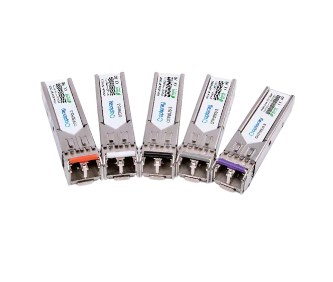
Packaging and Interface Forms of Optical Transceivers
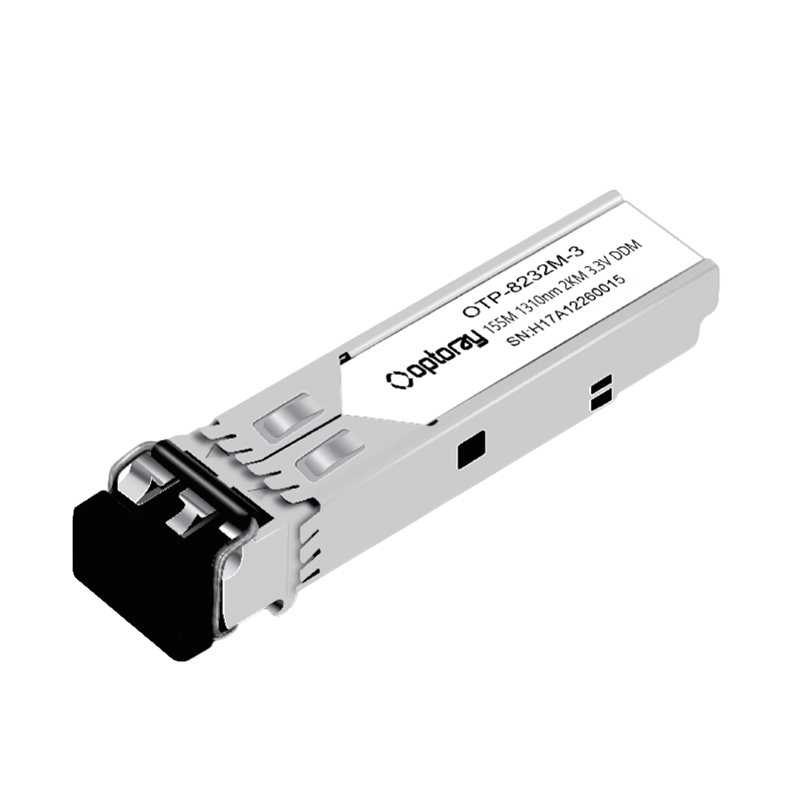
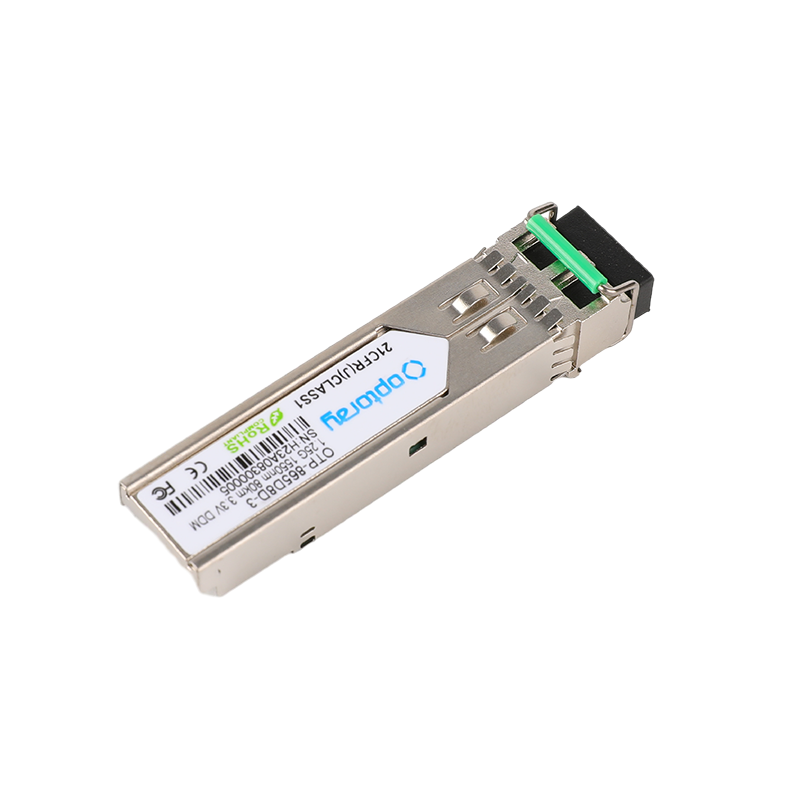
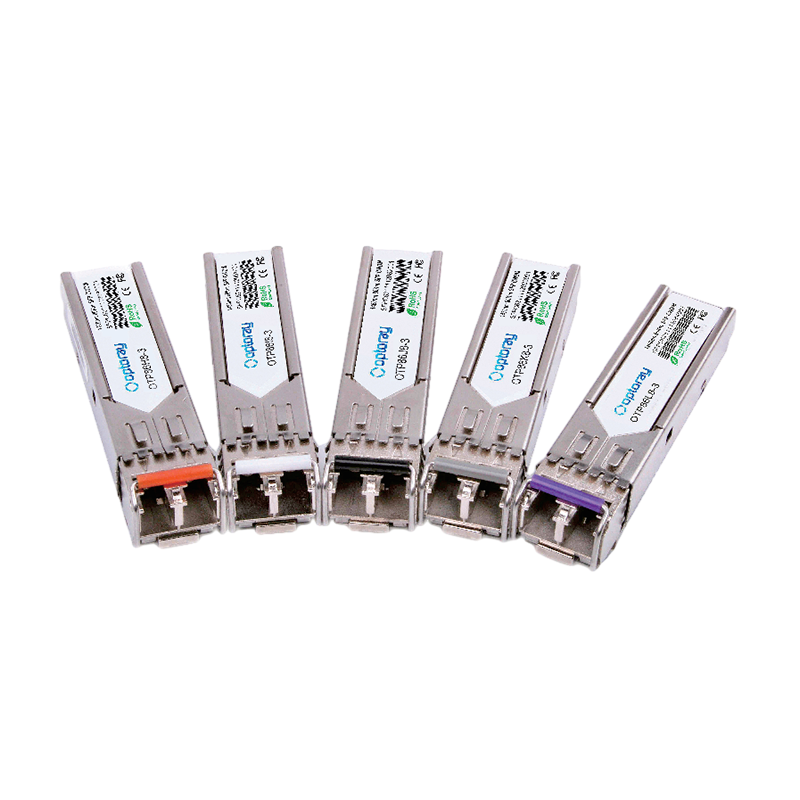
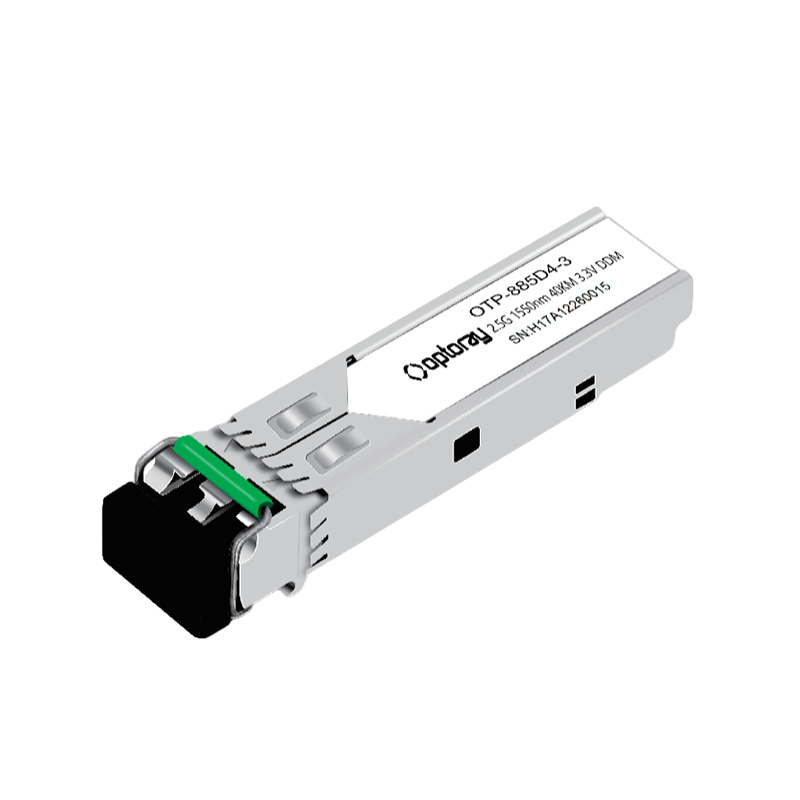
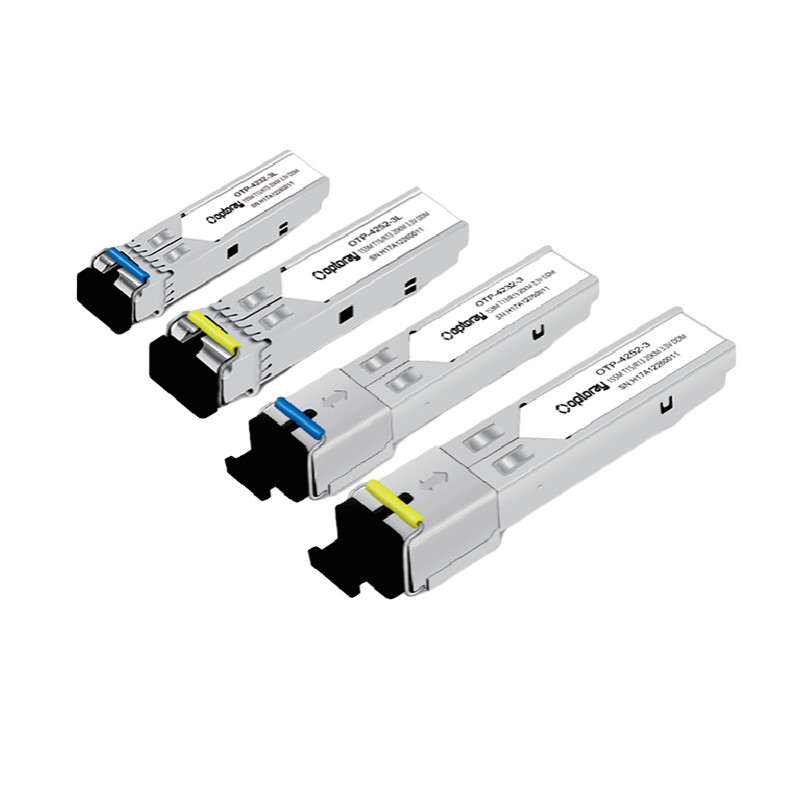
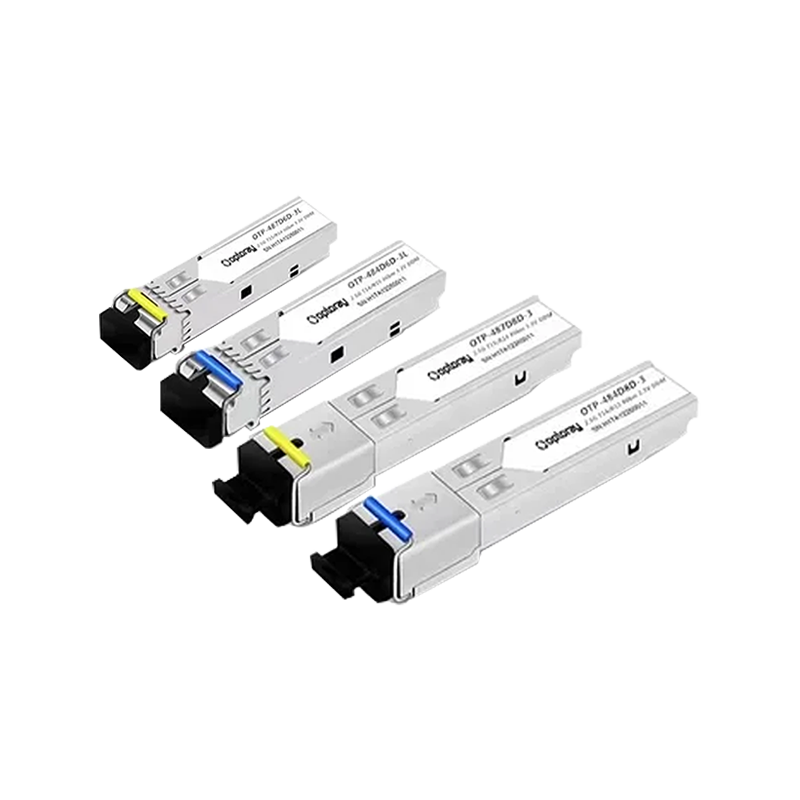
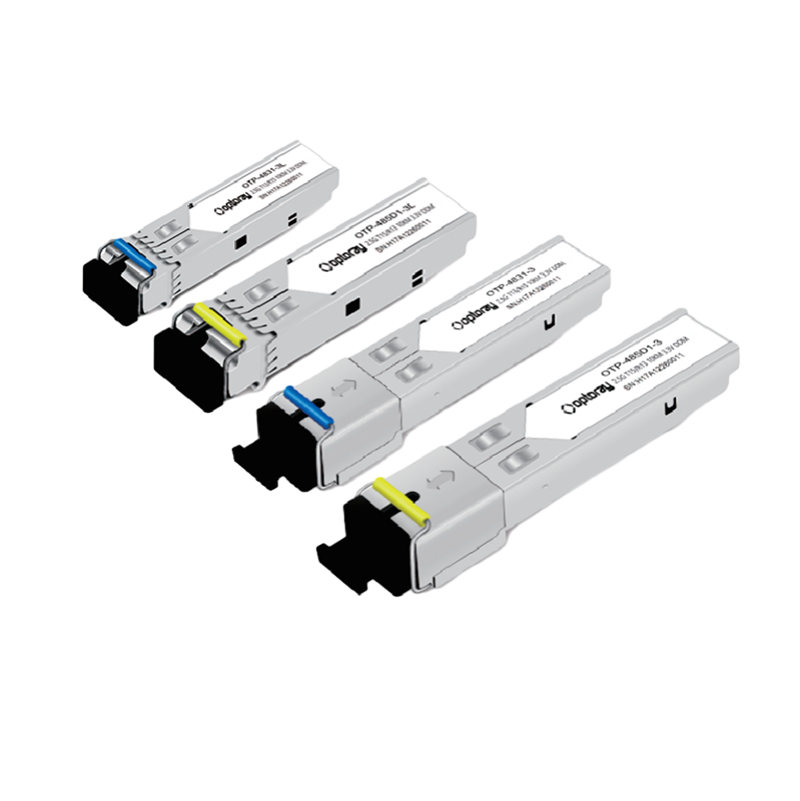
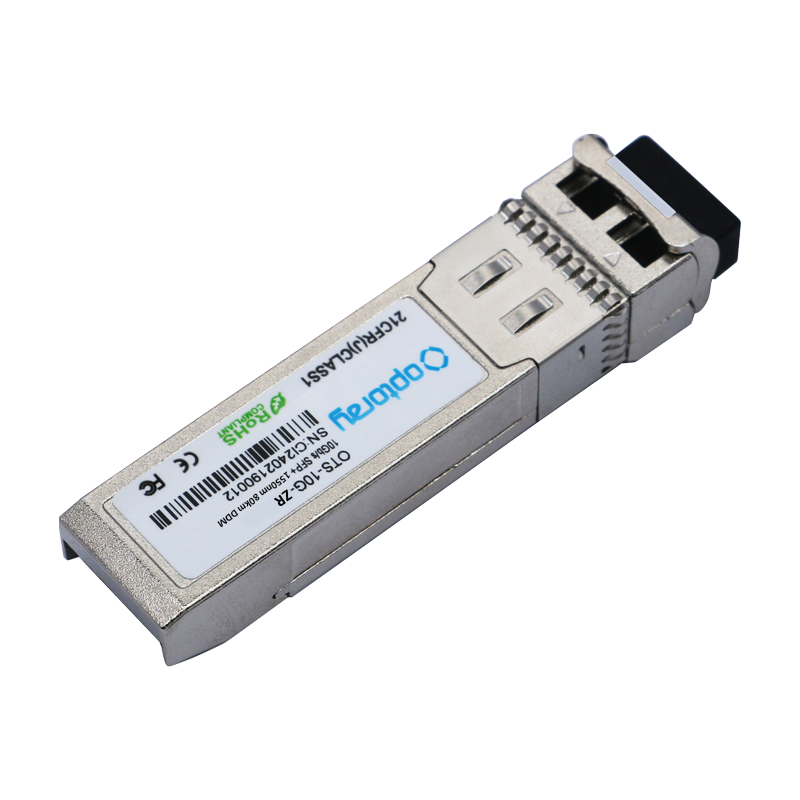
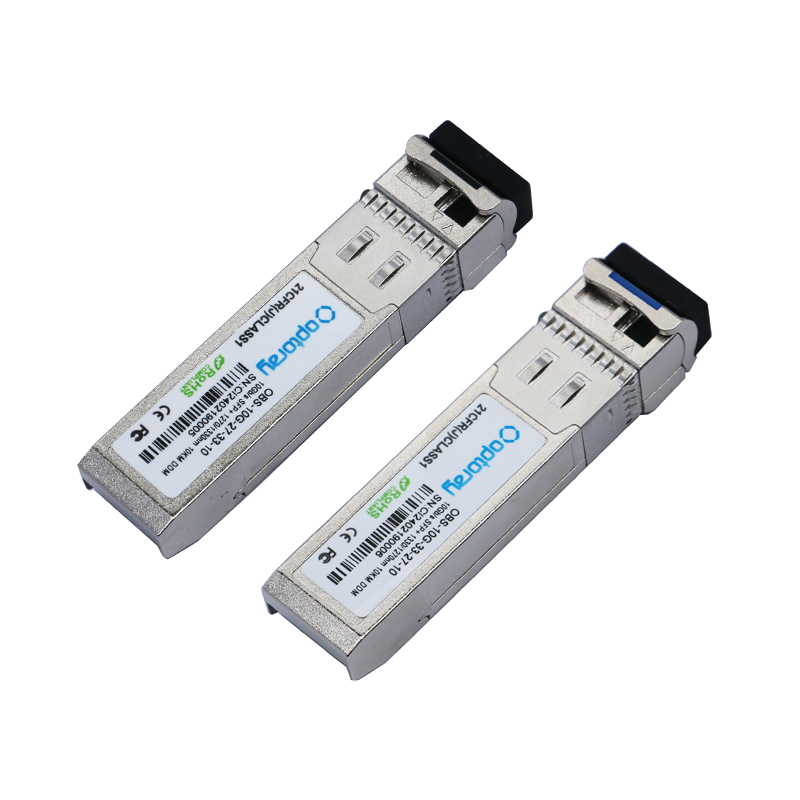
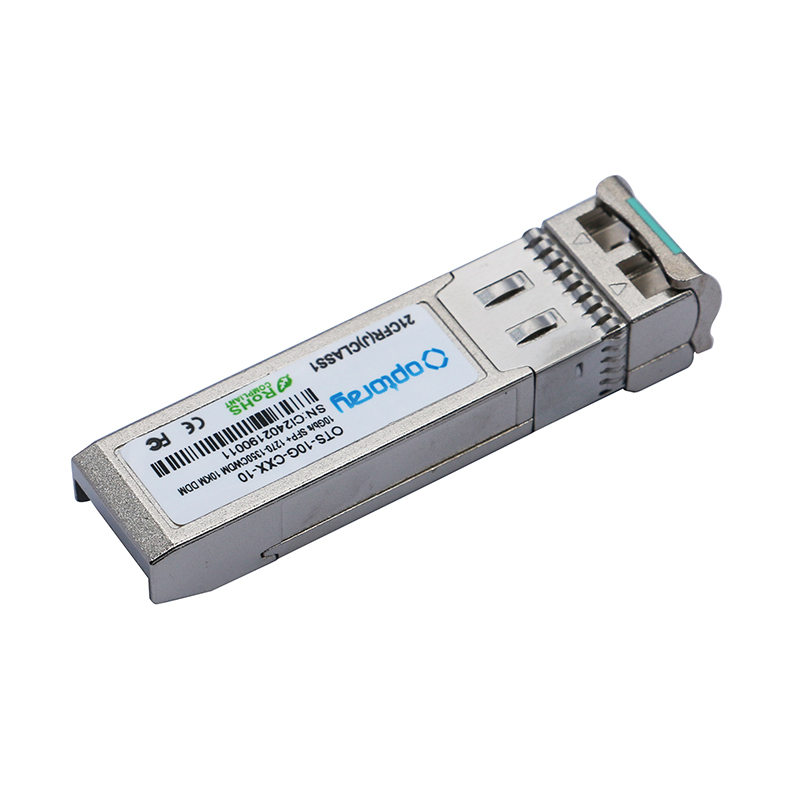
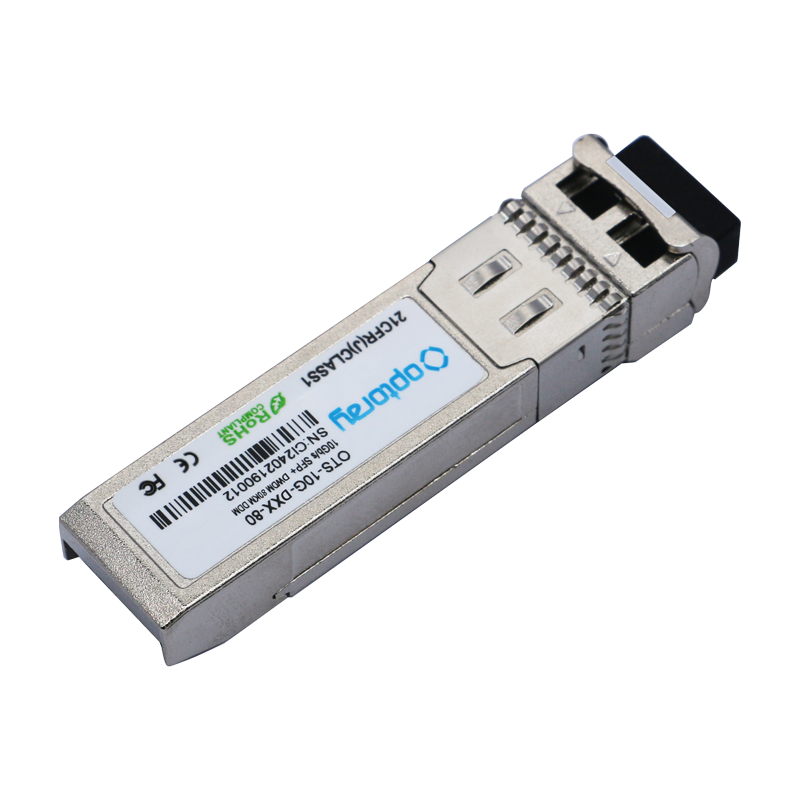
The packaging and interface forms of optical transceivers are factors that must be considered in the design of optical communication systems. Different packaging methods not only affect the size and heat dissipation performance of the module, but also determine its compatibility and installation flexibility. Common packaging forms include small form-factor pluggable modules, fixed modules, and integrated modules.
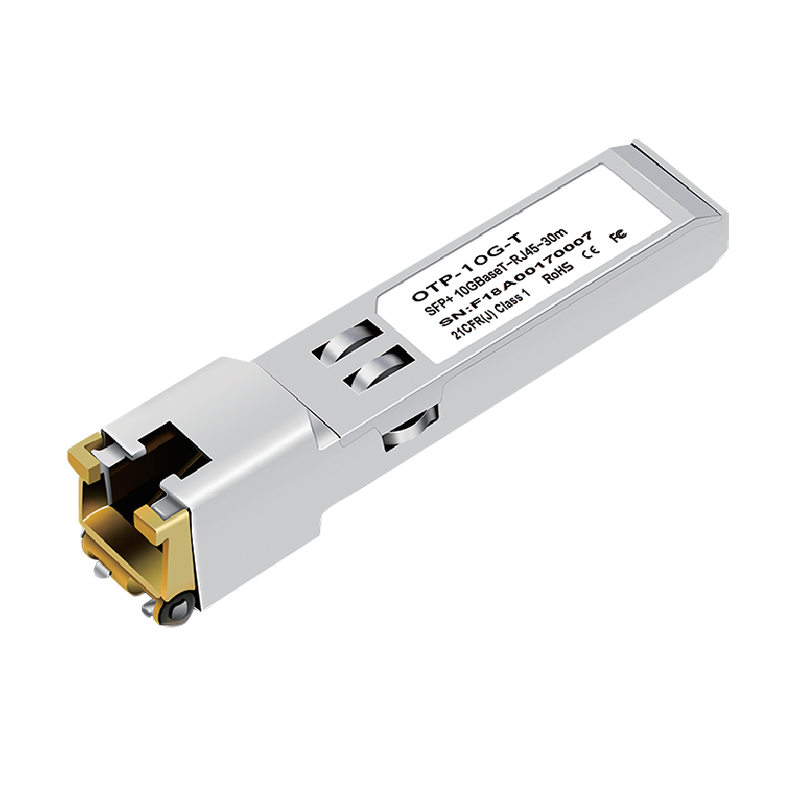
The interface form determines how the optical transceiver connects to switches, routers, or servers. Standardized interfaces such as SFP, SFP+, and QSFP provide compatible solutions for different speeds and application scenarios. The choice of interface also impacts the ease of upgrading and maintaining the optical module. In modern data centers, modular and hot-swappable designs significantly improve the scalability and maintenance efficiency of network equipment.
Optical Module Temperature and Reliability Design
During long-term operation, optical modules are affected by temperature changes and electromagnetic interference. Therefore, temperature control and reliability design are crucial factors in ensuring the stable operation of optical modules. High-quality optical modules typically employ efficient heat dissipation designs and anti-interference materials to ensure stable performance in different operating environments.
The lifespan and reliability of optical modules are also closely related to the quality of their internal components. The long-term stability of lasers and photodetectors, the durability of the drive circuit, and the overall dustproof and moisture-proof design of the module all directly affect its performance in harsh environments. For high-density data centers and long-distance communication networks, reliability is a key indicator that must be considered when selecting optical modules.
Optical Module Application Scenarios
Optical modules are widely used in data centers, enterprise networks, metropolitan area networks, and long-haul optical communication systems. In data centers, high-speed optical modules are core components for achieving high-capacity, high-speed interconnection; in metropolitan area networks and long-haul communications, high-performance optical modules ensure long-distance signal transmission and low error rates.
As networks continue to demand higher bandwidth and transmission speeds, the applications of optical modules are becoming more diverse. Whether for short-distance server interconnection or cross-city backbone network construction, optical modules provide a solid foundation for modern communication networks with their efficient, stable, and scalable characteristics.
FAQ
Q1: What is the difference between an optical module and a fiber optic module?
An optical module is the core device that converts optical signals to electrical signals, while a fiber optic module refers more to the overall solution for data transmission using optical fibers in practical applications.
Q2: How much impact does the speed of an optical module have on network performance?
The speed of an optical module directly determines the bandwidth and latency of data transmission. High-speed modules can support higher data traffic and lower latency, improving overall network performance.
Q3: How long is the typical lifespan of an optical module?
The lifespan of an optical module mainly depends on the quality of the laser and circuit components and the operating environment. High-quality modules can usually operate stably for many years under standard conditions.
Q4: How to choose the right optical module?
When choosing an optical module, you should consider factors such as transmission distance, data rate requirements, interface type, compatibility, and environmental adaptability to ensure that it meets system requirements and maintains reliable operation.
Q5: Do optical modules require maintenance?
Although optical modules are designed for a long lifespan and high reliability, regular inspection of the interface and fiber optic connections, as well as monitoring temperature and power consumption, can extend their lifespan and ensure network stability.



Mobile Web
Quick Links
Products
Get in Touch
-
 Phone: +86-186 5596 6697
-
 E-mail: [email protected]
-
 Add:No.4 PiYun Road, Huangshan Economic Development Zone, Huangshan City, Anhui Province, China.
Copyright © Huangshan Optoray Communication Corp., Ltd. All rights reserved.
China SFP Transceiver Module Manufacturers


